
Release an aircraft back to service.
[ AIRCRAFT MAINTENANCE COLLEGE ]
An eighteen-month licence-track programme in two working hangars at Carrow Field.
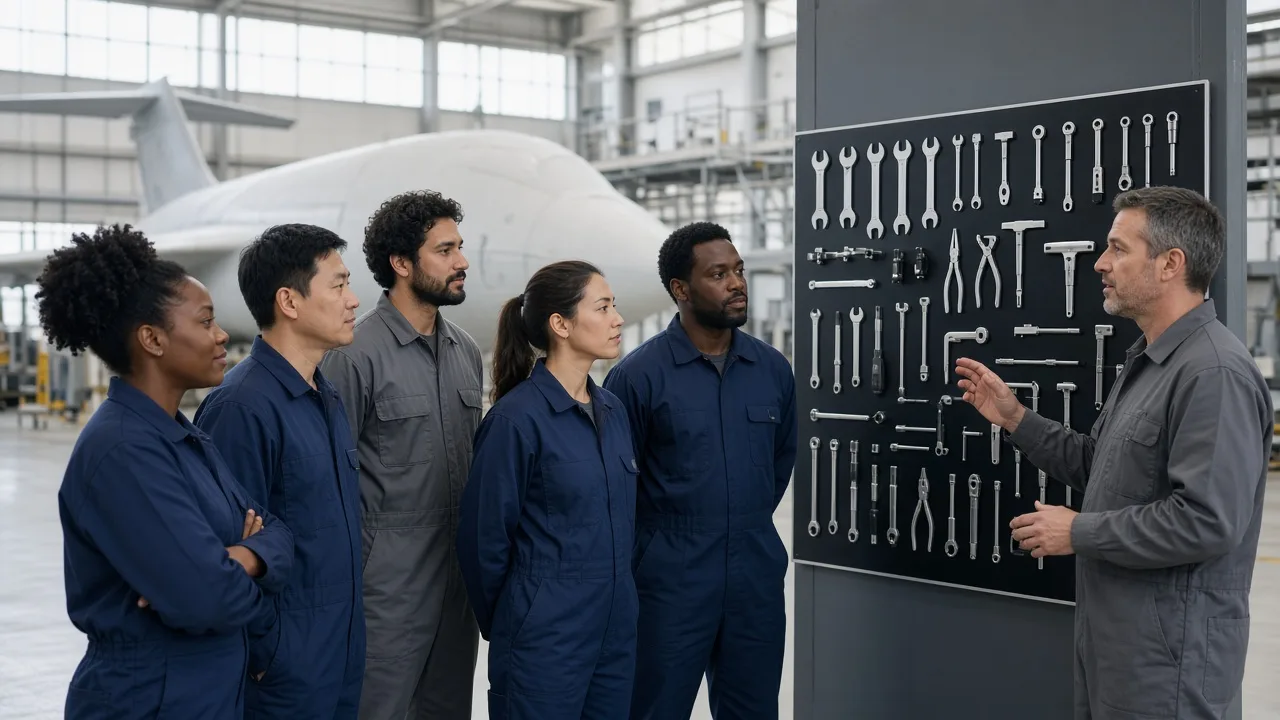
Engine mounts
Cowling latch
NEXT INTAKE ›
March 2027 cohort starts Monday 1 March
[ THE COLLEGE ]
TAUGHT ON THE HANGAR FLOOR
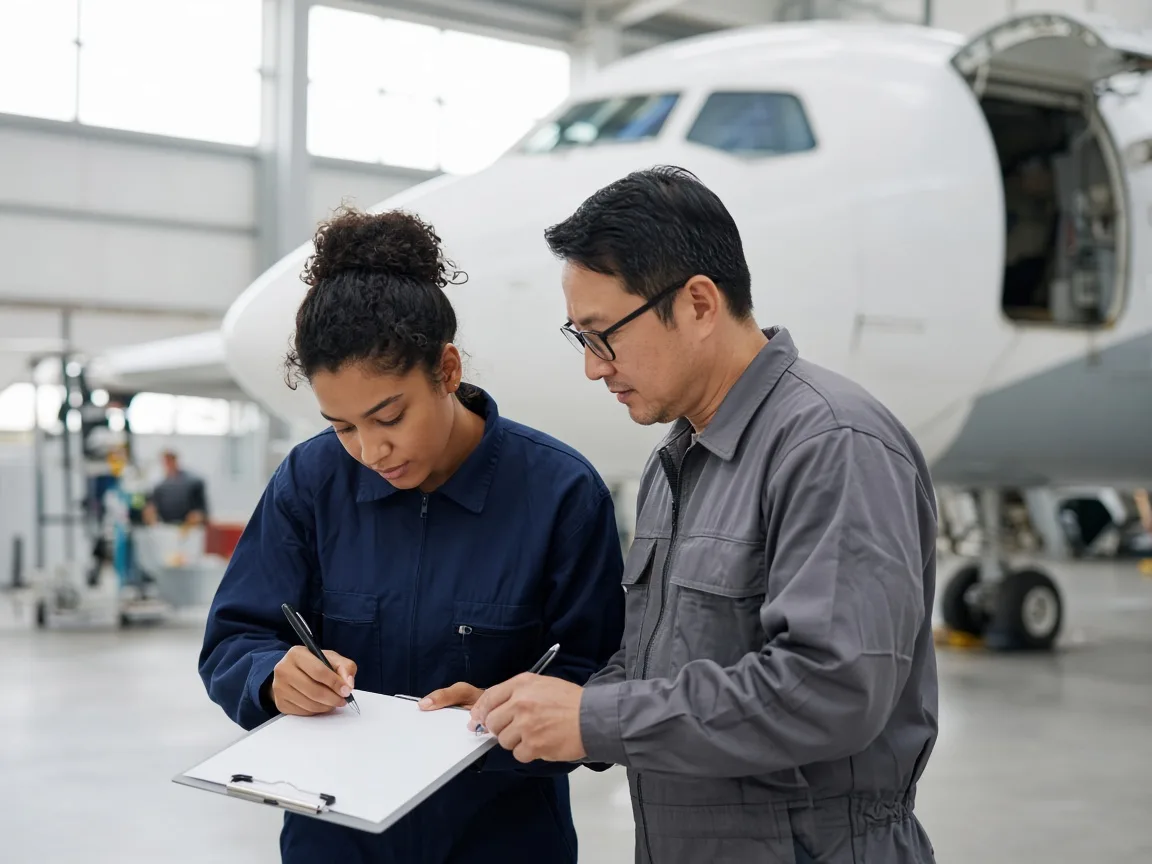
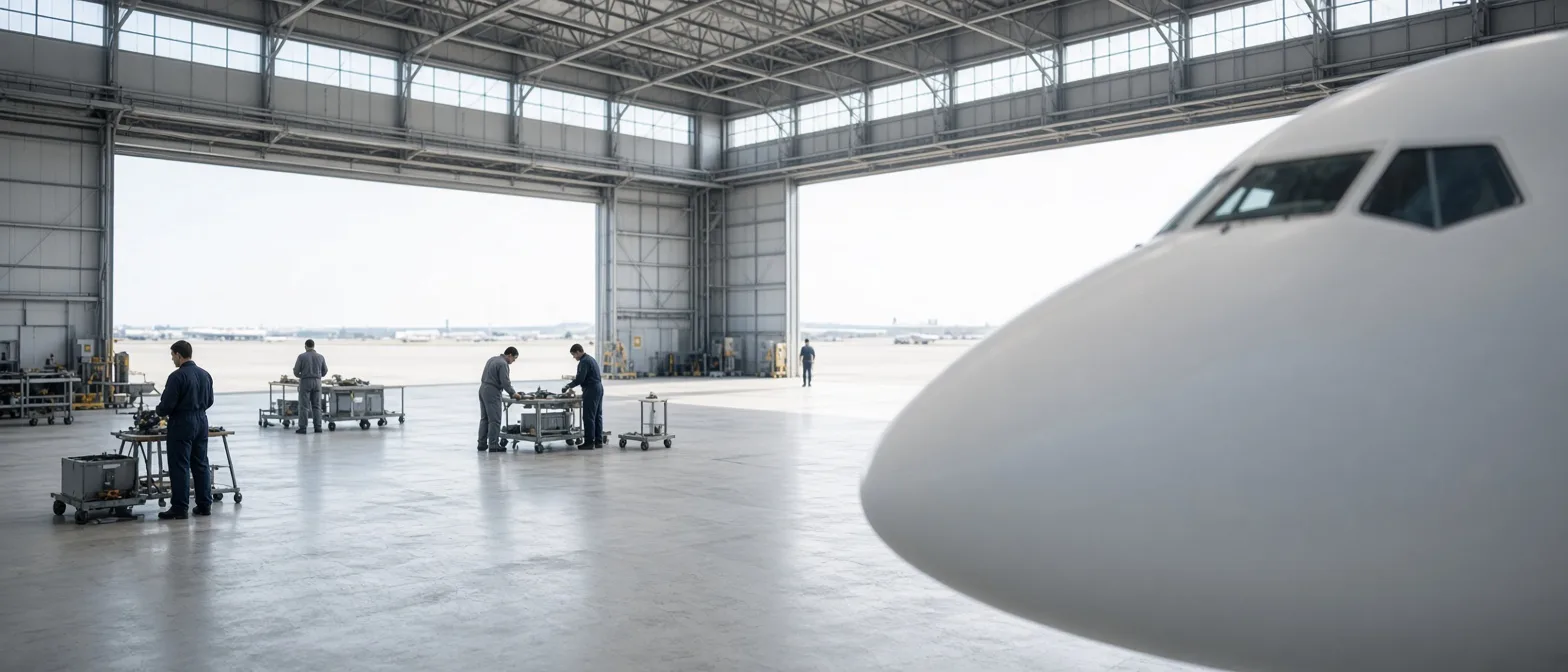
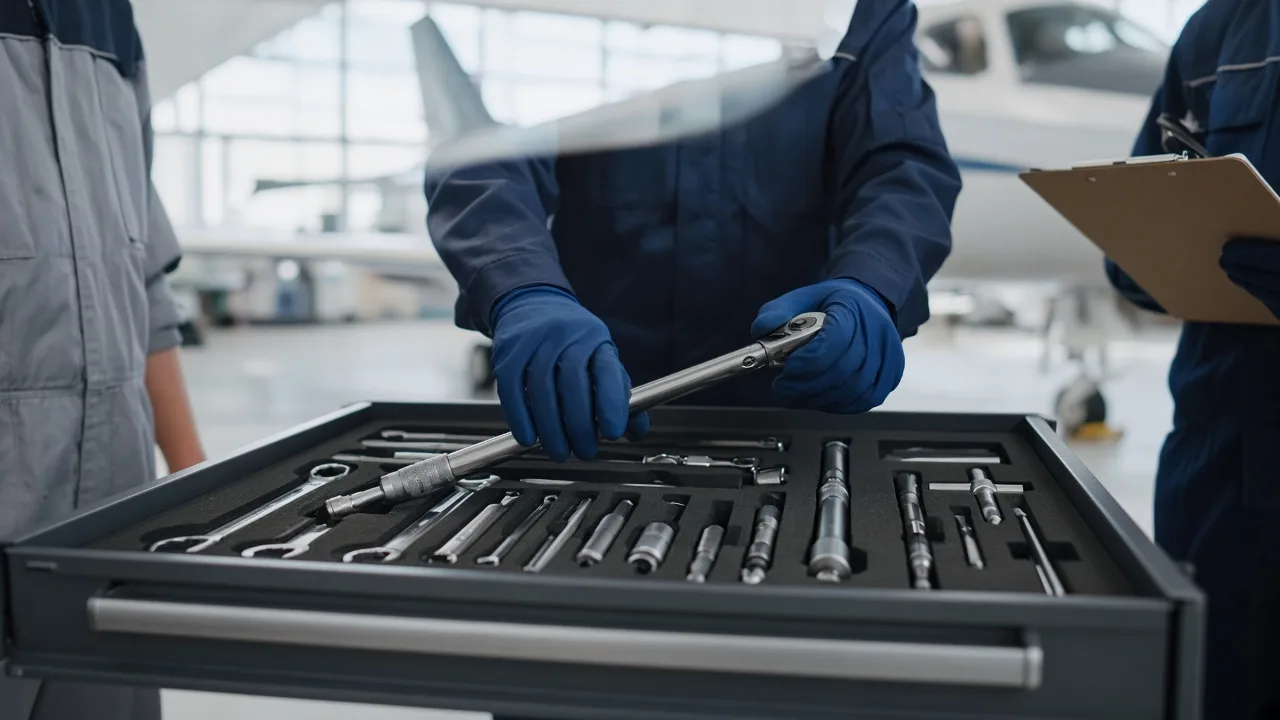
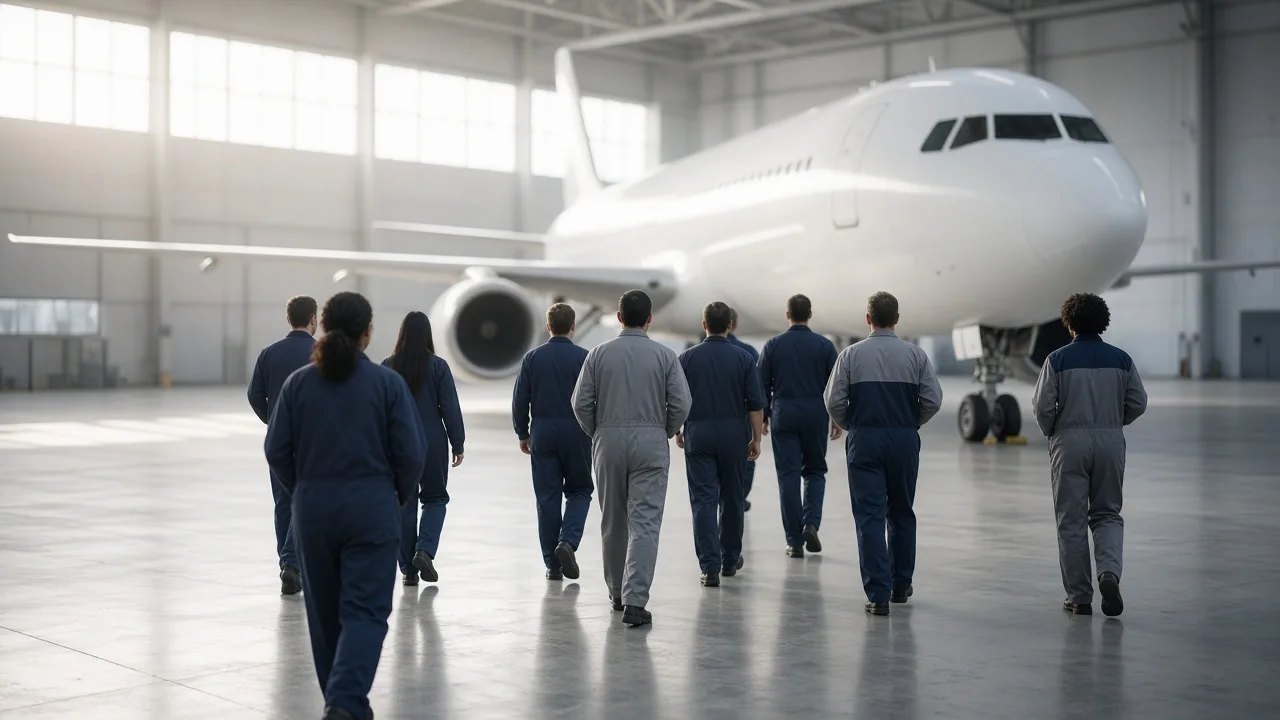
Aircraft maintenance is an exacting craft where theory has meaning only when applied directly to hardware. At Tsubasa College, training takes place inside two operational hangars at Carrow Field Aerodrome, where students work on genuine turboprop and jet airframes under the continuous guidance of licensed engineers who countersign every task card.
Our eighteen-month curriculum is organized around practical competence, regulatory compliance, and a disciplined approach to safety. From morning tool-control checks to afternoon duplicate inspections, students develop the methodical working habits and accountability required in commercial line stations, base maintenance facilities, and component overhaul workshops.
Each intake is strictly limited to twenty-four trainees, ensuring substantial hands-on experience across every airframe system, engine bay, and avionics test bench. Over 2,400 instructional hours, students build the comprehensive knowledge and documented task history needed to sit examinations with the national aviation authority.
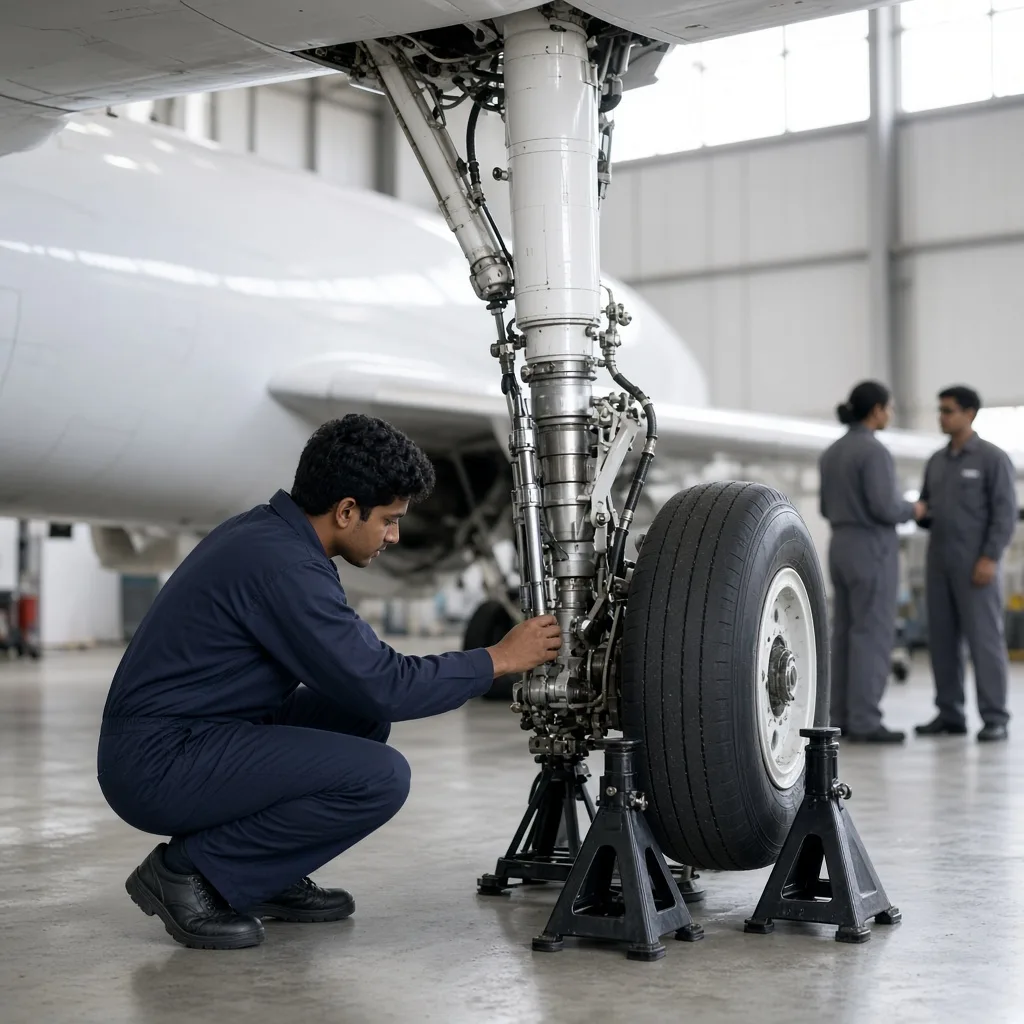
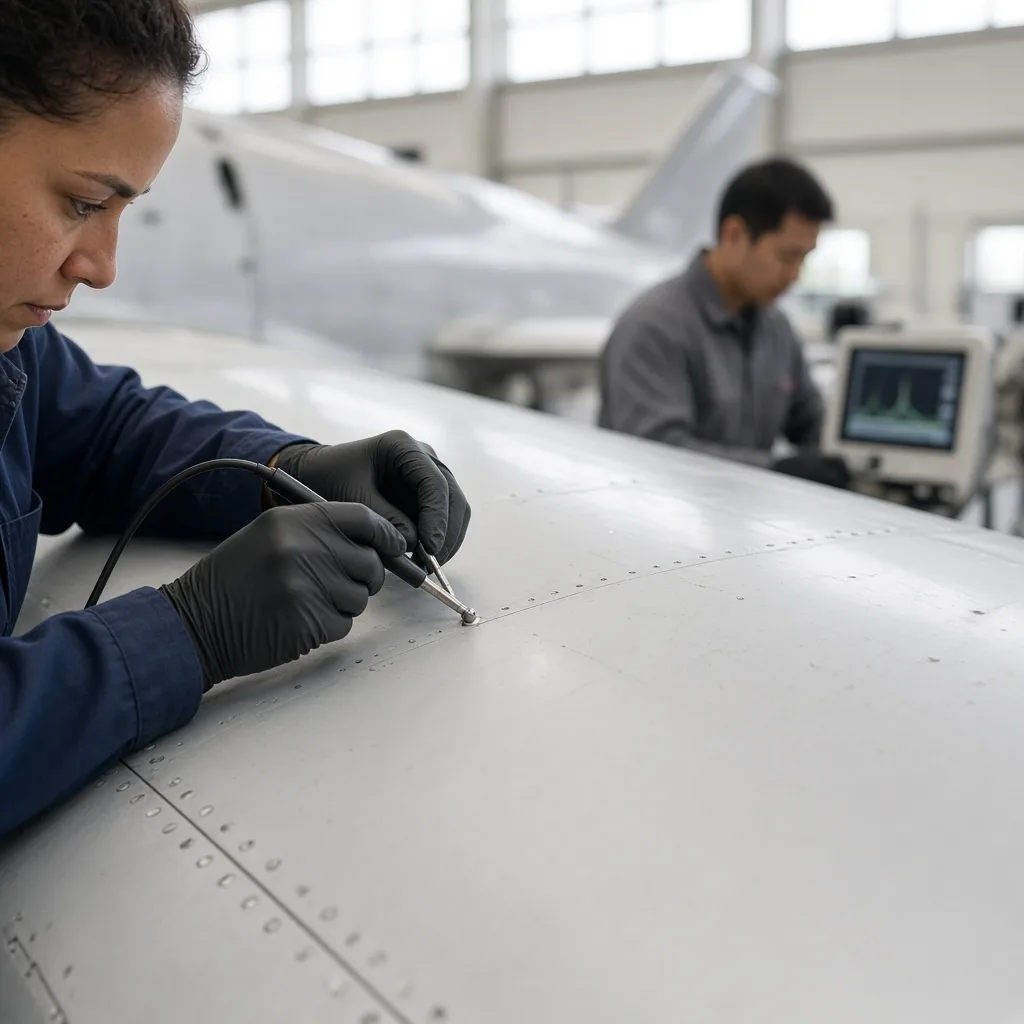
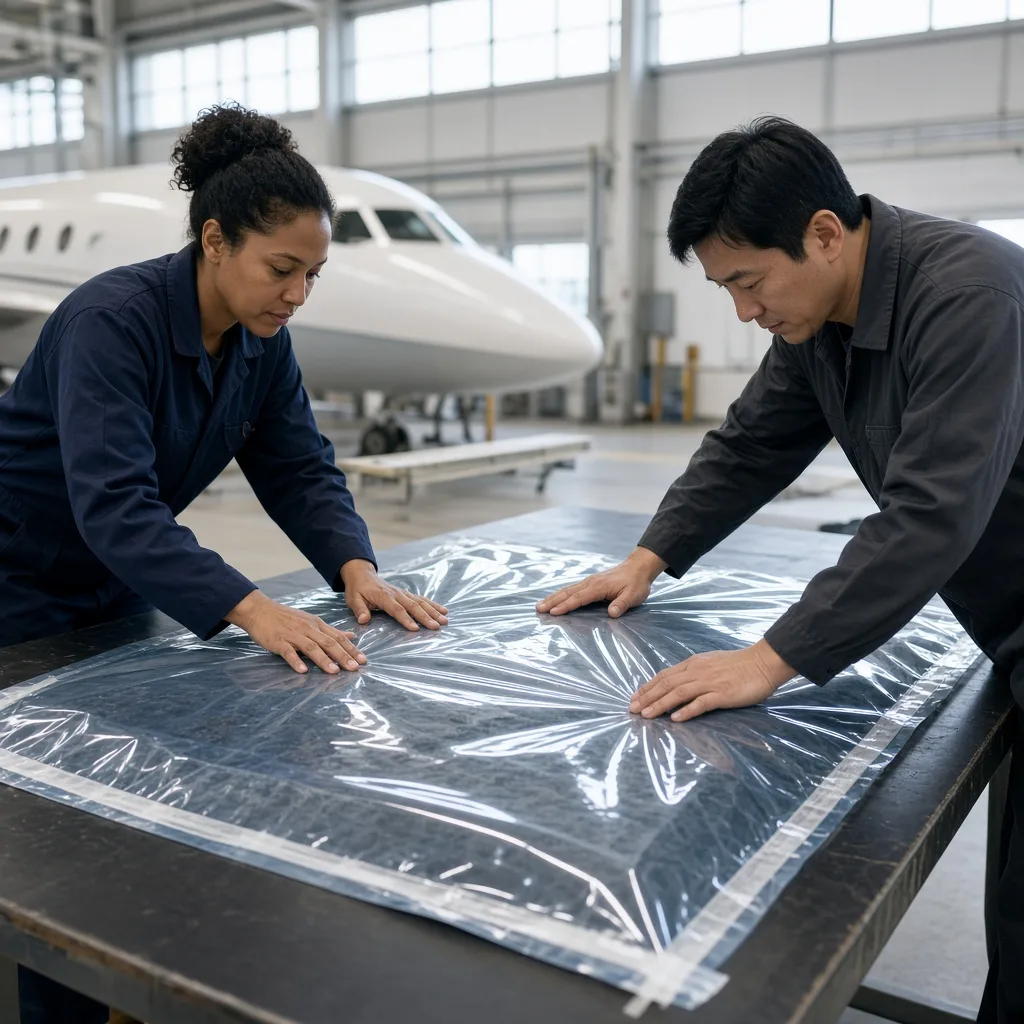
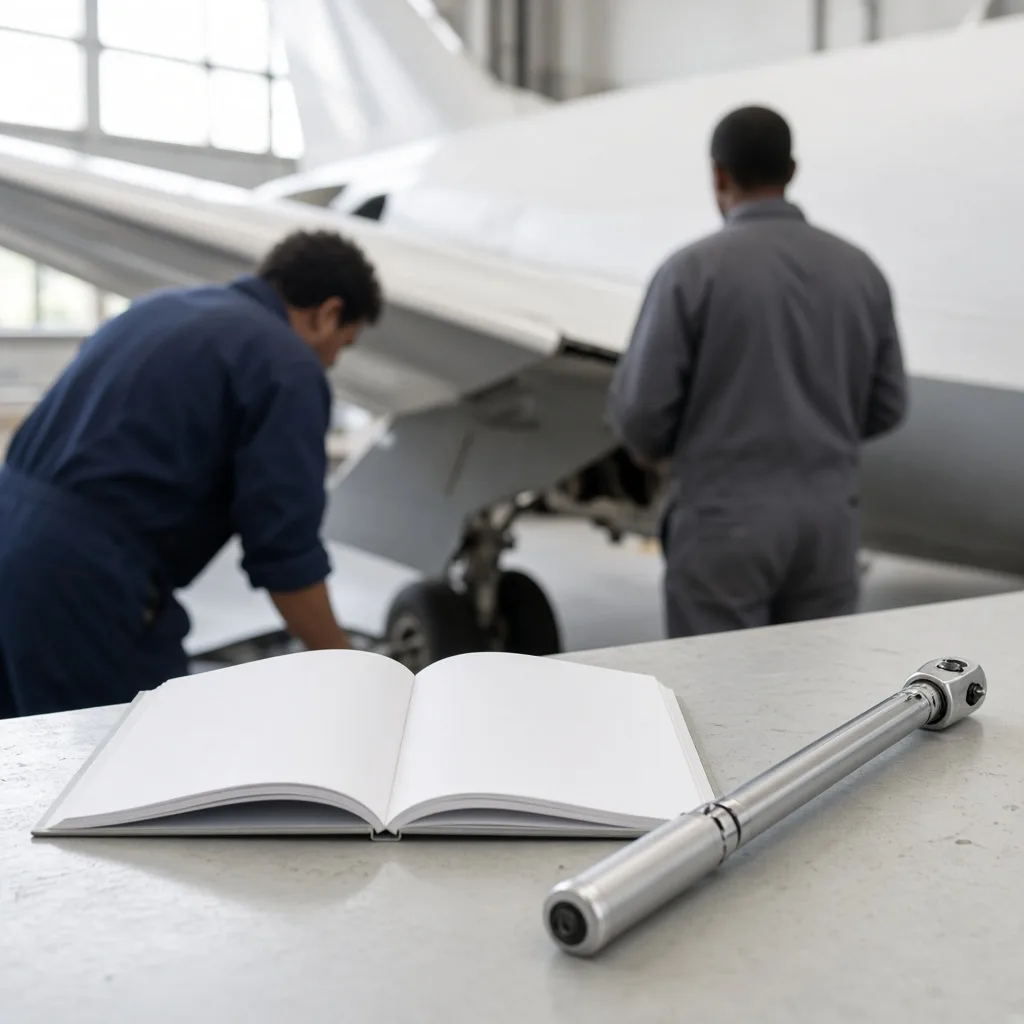
- Powerplant ›
- Airframe ›
- Avionics ›
- Landing gear ›
- Inspection (NDT) ›
- Human factors ›
- Composites ›
- Task records ›
2,400
Hours
18
Months
8
Modules
24
Places per cohort
[ MODULES ]
EIGHT MODULES, ONE HANGAR
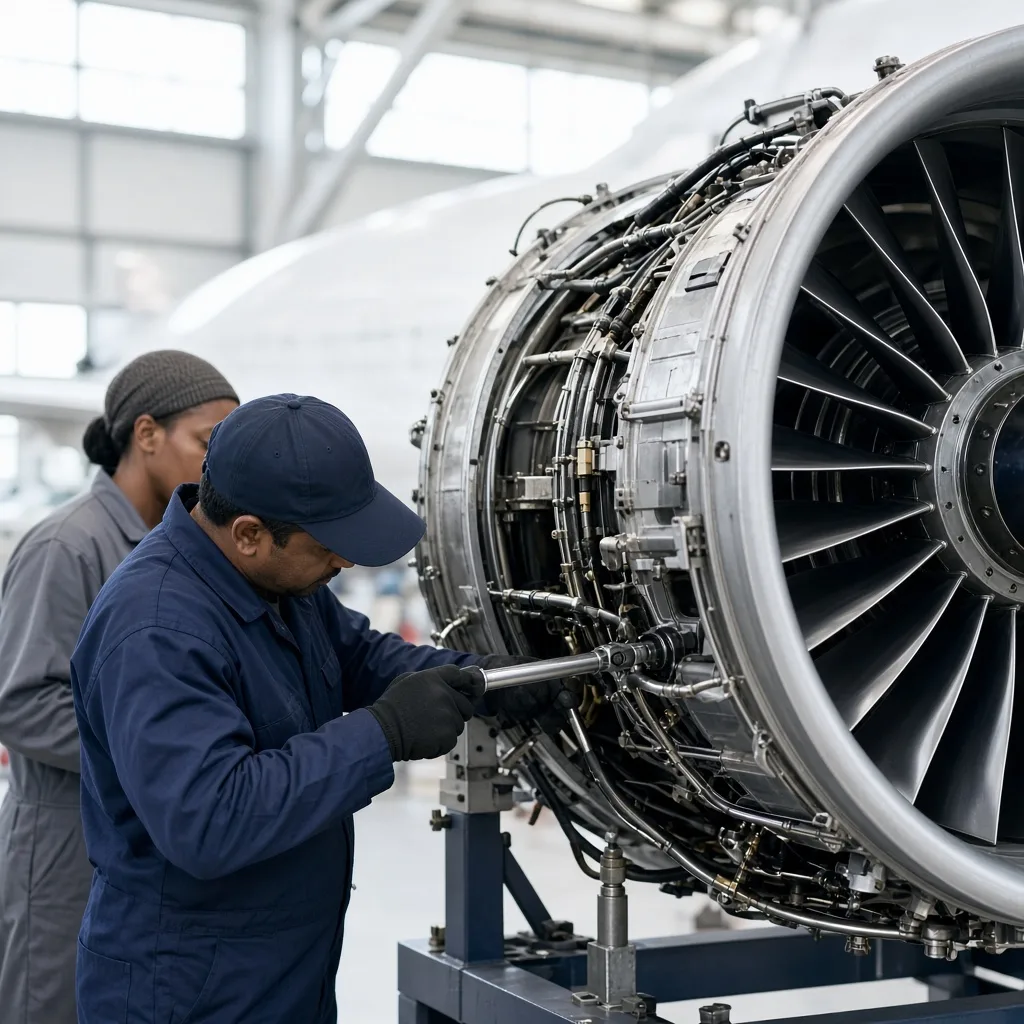
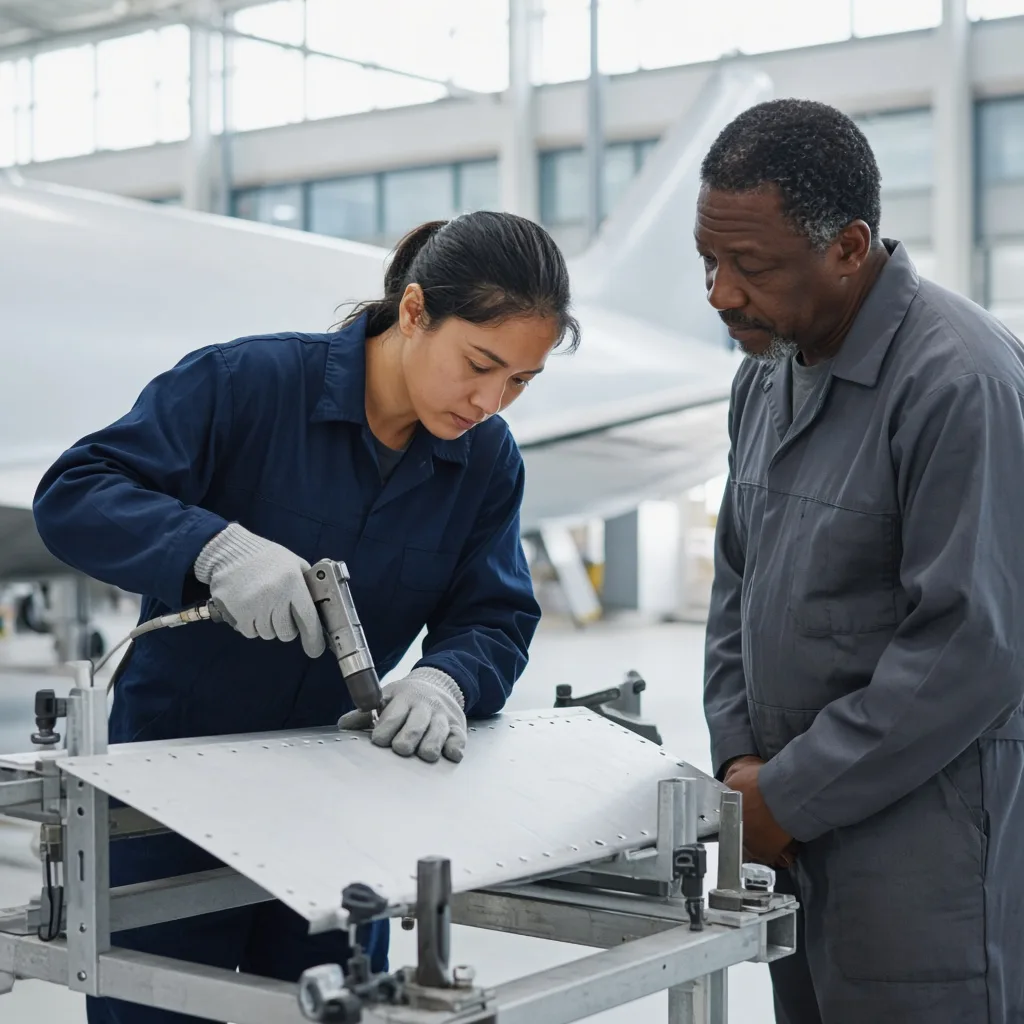
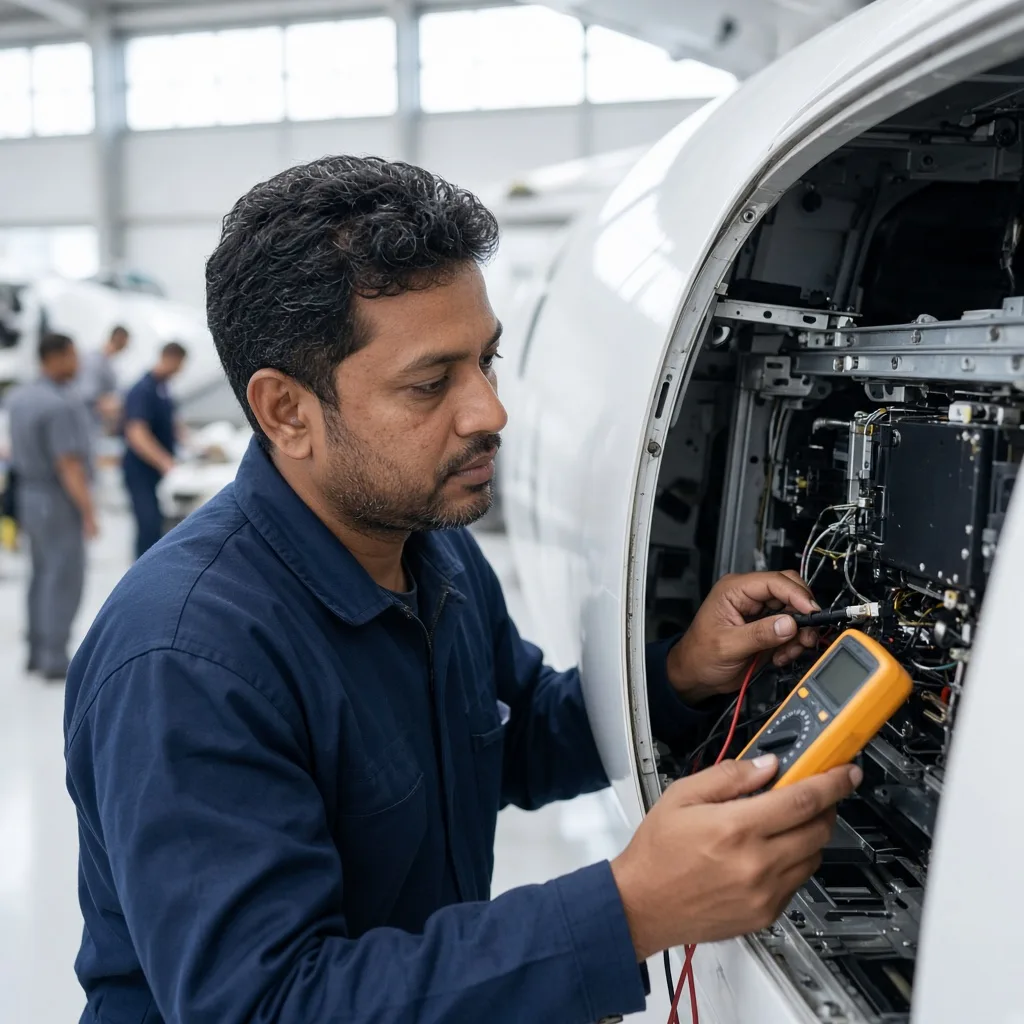
The curriculum unites eight technical modules into a cohesive hangar training sequence. Students rotate through turbine powerplant overhaul, airframe structural repairs, avionics diagnostics, landing gear overhauls, non-destructive testing, and vacuum-bagged composite fabrication, reinforced continuously by meticulous task recording and human factors safety discipline.

[ PROGRAMME ]
HOW THE EIGHTEEN MONTHS ARE SEQUENCED
The 2,400-hour licence-track programme advances methodically across eighteen months. Trainees begin with six months of foundational theory and workshop skills, progress into six months of advanced aircraft systems, complete three months of type familiarisation on live airframes, and conclude with three months of line placement and final assessment, accompanied throughout all eighteen months by continuous human factors and regulation reviews.
Month
01
02
03
04
05
06
07
08
09
10
11
12
13
14
15
16
17
18
Foundation
900 hours
Systems
1,040 hours
Hangar practice & type familiarisation
200 hours
Line placement & final assessment
140 college hours
Human factors & regulation thread
120 hours · months 1–18
[ CERTIFICATION ]
WHAT EACH MODULE CERTIFIES
Each module fulfills specific knowledge and practical requirements defined by civil aviation standards. Progress is verified through written examinations, bench tests, oral reviews, and signed practical task cards. National aviation authority licence examinations are sat independently, with the college providing all necessary preparation and certified training records.
| Module | Months | Hours | How it is assessed |
|---|---|---|---|
| M1 Mathematics & physics | Months 1–2 | 220 h | Written exam |
| M2 Electrical & electronic fundamentals | Months 2–4 | 260 h | Written exam and bench test |
| M3 Materials, hardware & maintenance practices | Months 3–6 | 420 h | Practical task book |
| M4 Airframe structures & systems | Months 7–9 | 380 h | Task book and oral examination |
| M5 Powerplant (turbine engines) | Months 9–11 | 360 h | Task book and written exam |
| M6 Avionics & instruments | Months 10–12 | 300 h | Bench test and written exam |
| M7 Human factors & regulation | Months 1–18 | 120 h | Ongoing case reviews |
| M8 Hangar practice & type familiarisation | Months 13–18 | 340 h | Supervised sign-offs and final assessment |
[ A DAY IN THE HANGAR ]
From toolbox check to sign-off
- 07:30 Tool control and toolbox check
- 07:45 Shift briefing and task allocation
- 08:00–12:00 Task cards on live airframes in the hangar
- 12:45–15:00 Technical systems theory in the workshop classrooms
- 15:00–16:00 Duplicate inspection, sign-off and tool count; the hangar closes at 16:00
[ INSTRUCTORS ]
PEOPLE WHO SIGN THEIR OWN WORK
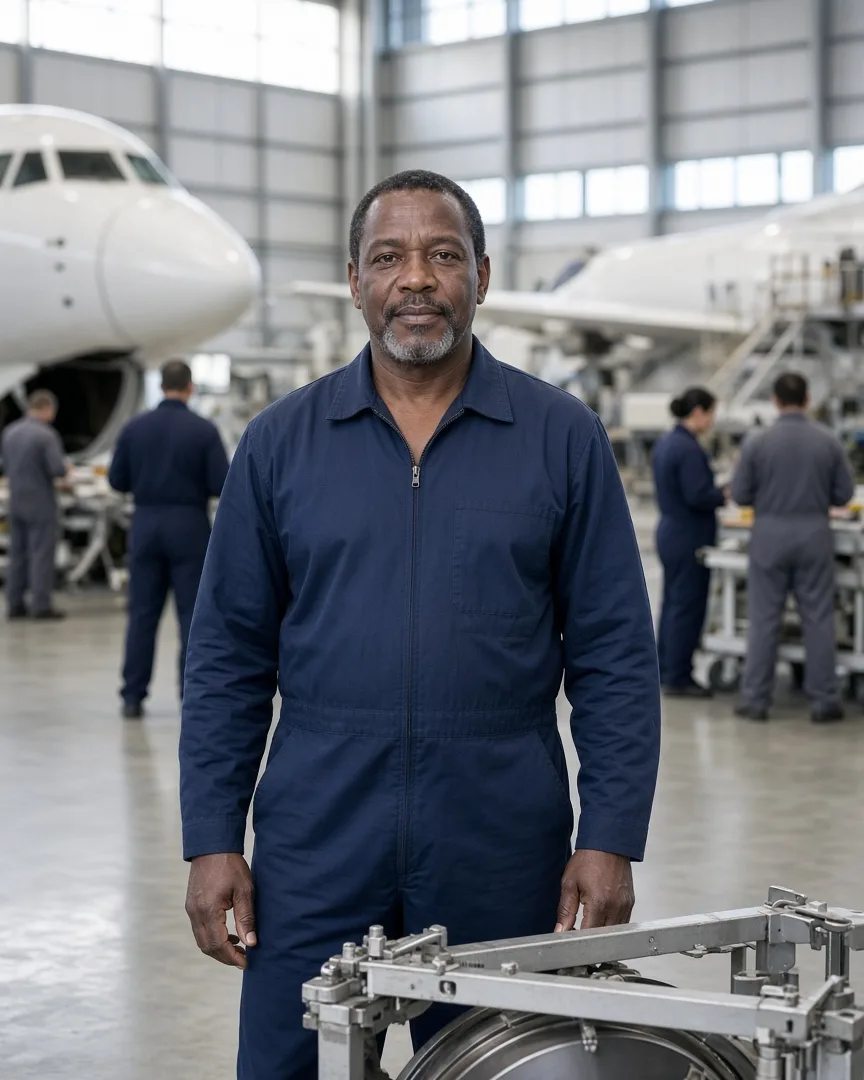
Daniel Okafor
Head of Powerplant
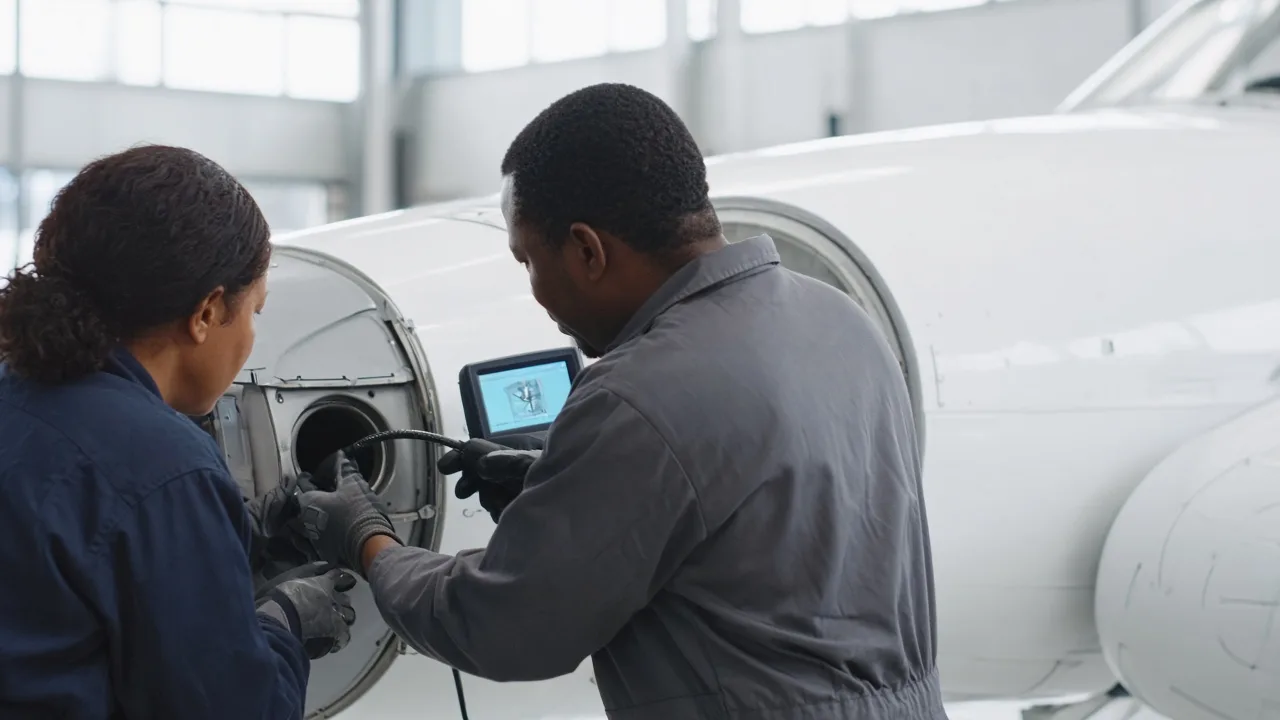
Daniel guides trainees through turboprop strip-downs, engine mount inspections and borescope checks in Hangar 2. He asks every student to explain what they have just signed before the next task card is opened.
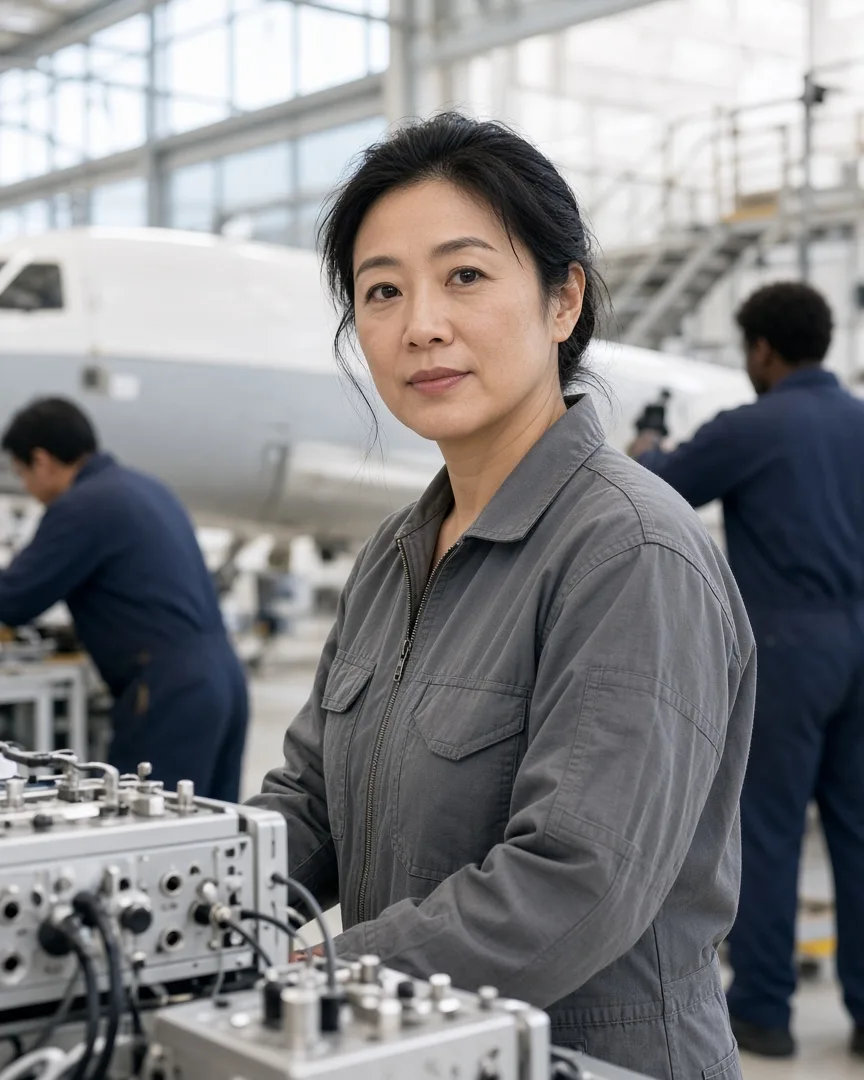
Mei Lin Hartmann
Head of Avionics
Mei Lin directs electrical fundamentals and instrument systems, teaching methodical fault isolation, wiring integrity and bench testing. Her students learn to write down what they measured, not what they expected.
Ingrid Solberg
Principal
Tomás Rivera
Airframe & Structures
Aisha Rahman
Inspection & Composites
Pieter de Vries
Human Factors & Regulation
Clara Benoit
Admissions & Student Office
[ FEES ]
FEES AND INTAKES
| Item | What it covers | Fee |
|---|---|---|
| Application & assessment day | Aptitude test, hangar visit, interview and a written offer. | €60 |
| Licence-track programme (18 months) | 2,400 hours across 8 modules; payable in six instalments of €3,600. | €21,600 |
| Foundation term only (months 1–6) | 900 hours of mathematics, physics, electrical fundamentals and maintenance practices. | €7,800 |
| Single systems module (for working mechanics) | One systems module for mechanics who already work in aviation. | €1,450 |
| Type-familiarisation course (4 weeks) | Four weeks of airframe and powerplant type familiarisation in Hangar 2. | €3,200 |
| Toolkit & PPE (issued, yours to keep) | Maintenance toolkit and personal protective equipment, issued on day one. | €680 |
All fees in euros. The programme fee can be paid in six instalments of €3,600.
NEXT INTAKES ›
Monday 1 March 2027 · apply by 15 January 2027
Monday 6 September 2027 · apply by 15 July 2027
READ THE LATEST FROM THE HANGAR ›
Hangar notes, once a month
Open-day dates, application deadlines and one workshop story from Carrow Field, once a month. Enter your email address to join.