Graduate Career Pathways
[ GRADUATES ]
Graduates of Tsubasa College work across line maintenance stations, base overhaul facilities, turbine engine workshops, and avionics repair benches. Their professional trajectories reflect the practical discipline instilled in our hangars.

Where Graduates Work
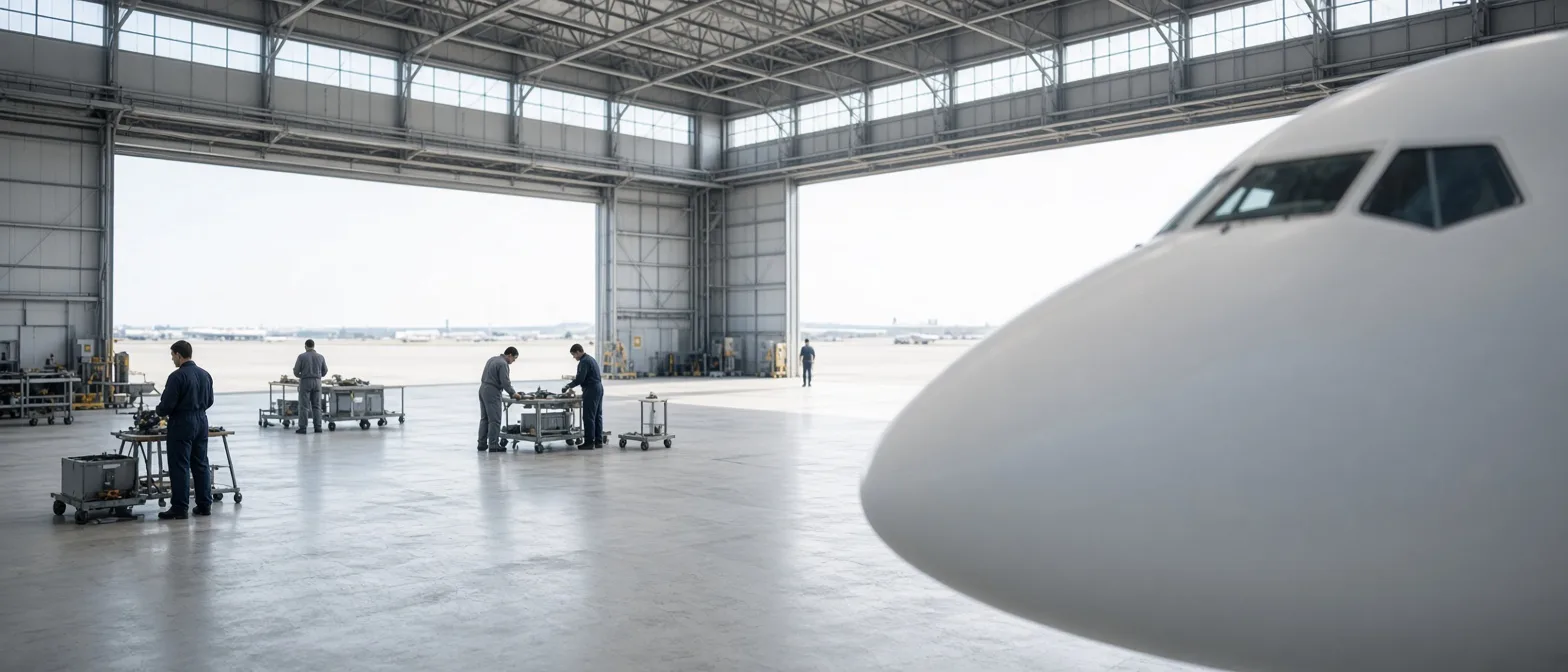
Tsubasa College graduates secure technical roles across commercial aviation support sectors. Many take positions at regional line stations, conducting daily turnarounds, pre-flight safety inspections, and urgent defect rectifications under operational flight schedules. Others enter heavy base maintenance hangars, performing scheduled C-checks, structural modifications, and landing gear replacements. Specialized graduates join dedicated turbine engine overhaul facilities, focusing on teardown inspections and precision assembly. Others establish careers at certified avionics repair benches, testing navigation computers, digital flight decks, and wiring looms. Because training emphasizes meticulous documentation and duplicate inspections, our alumni transition smoothly into rigorous maintenance teams operating under strict national regulatory oversight.
Graduate Profiles: Sofia, Kwame, and Lena
Their careers demonstrate how disciplined hangar training translates into reliable certifying competence.
[ WHERE THEY WORK ]
FOUR KINDS OF WORKPLACE
Line stations, base maintenance hangars, engine shops and avionics benches: the four places most graduates start.

Kwame
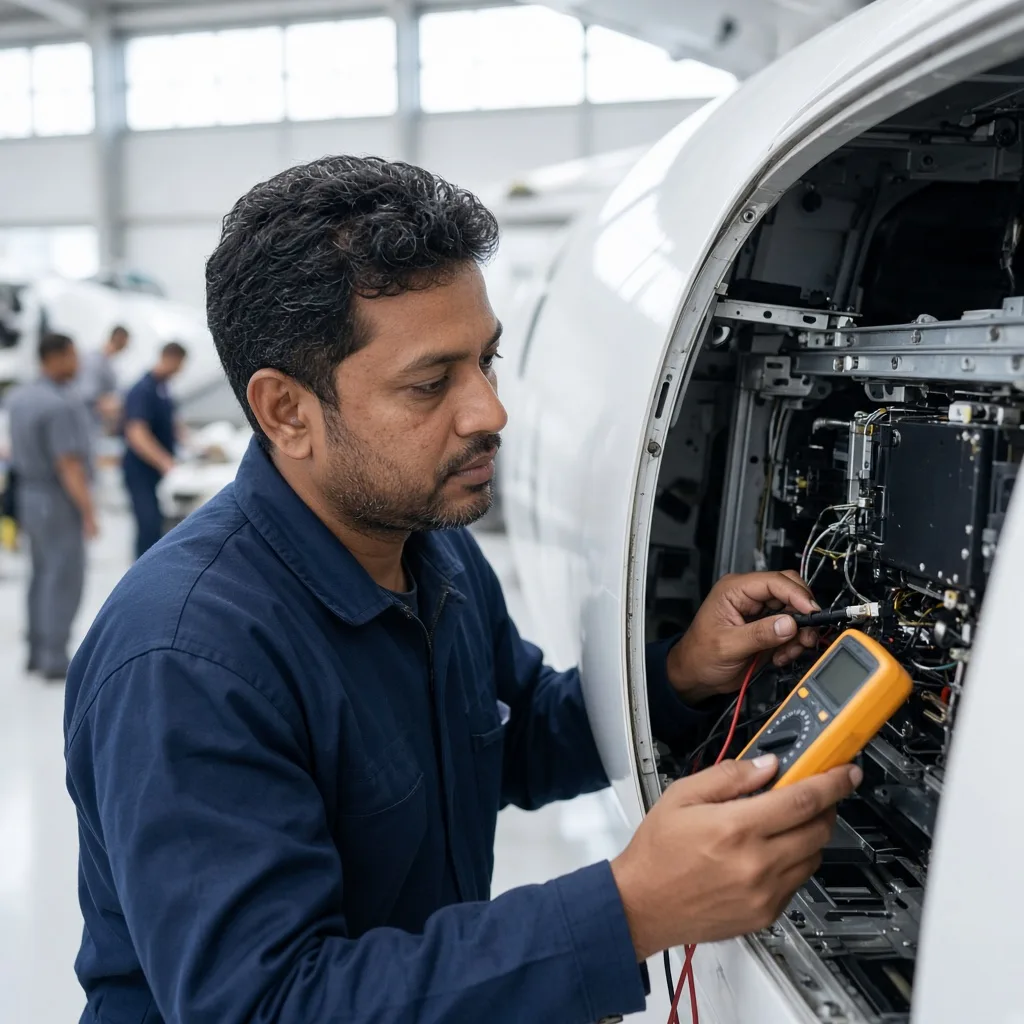
Lena
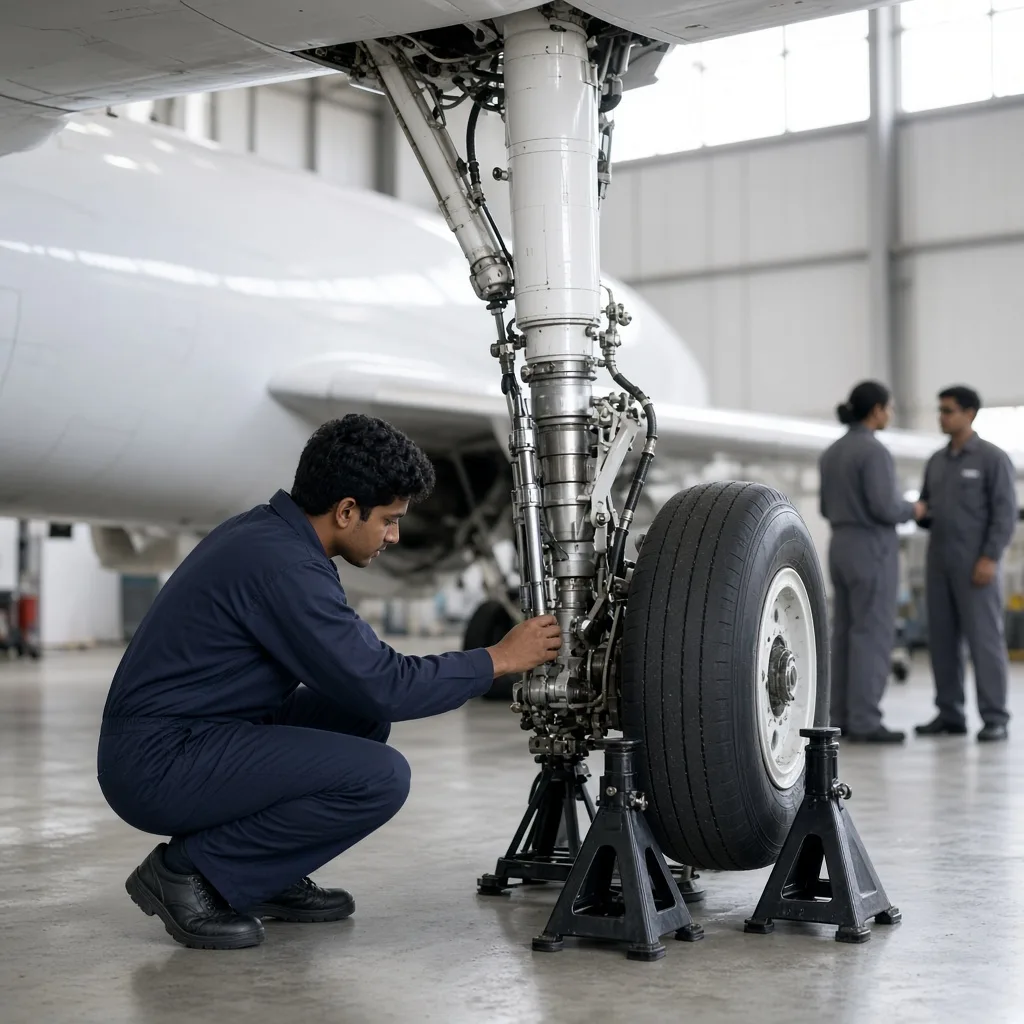
Sofia
Cohort placements
[ RELATED ]