Hangar and Workshop Facilities
[ FACILITIES ]
Tsubasa College operates two fully equipped aircraft hangars, specialized diagnostic laboratories, and technical stores at Carrow Field Aerodrome. Our facilities provide students with an authentic, calm industrial environment for hands-on maintenance training.

Hangar 1 and Hangar 2
Hangar 1 serves as our primary structural teaching bay, dedicated to airframe construction, sheet metal fabrication, cable rigging, and heavy structural inspection. It features full-span overhead gantry cranes, pneumatic air supplies, and dedicated jacking bays. Hangar 2 accommodates operational and static twin-engine turboprop and light business jet airframes used for live systems maintenance, ground power runs, flight control rigging, and landing gear retraction checks. Together, both hangars provide students with genuine line and base maintenance working environments bathed in natural daylight from high clerestory windows. Wide apron access allows aircraft movement directly onto the aerodrome taxiways, connecting classroom procedures with real-world apron safety and operational workflows.
[ WORKSHOPS ]
SIX PLACES TO WORK
Two hangars, an engine shop, an avionics lab, a composites room and a tool store: every one of them is part of the daily routine, not a showroom.
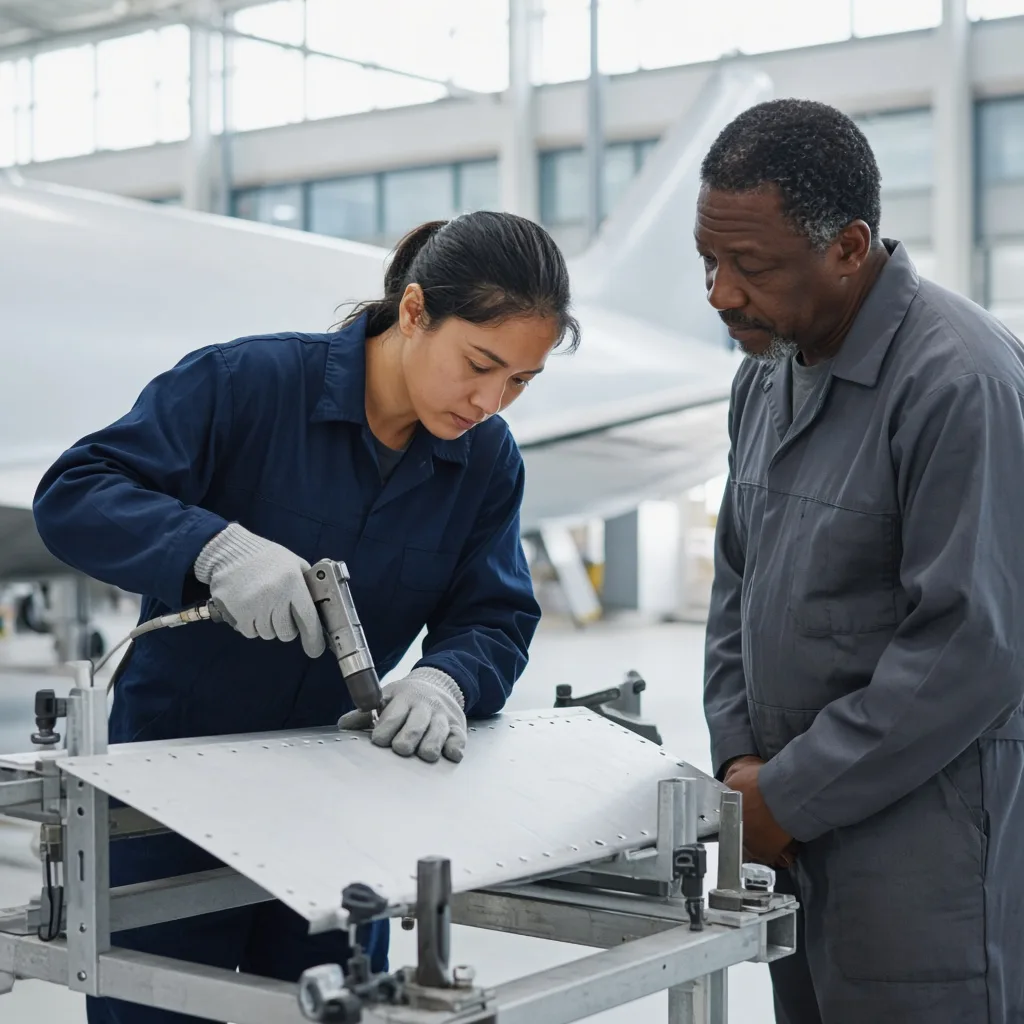
Hangar 1
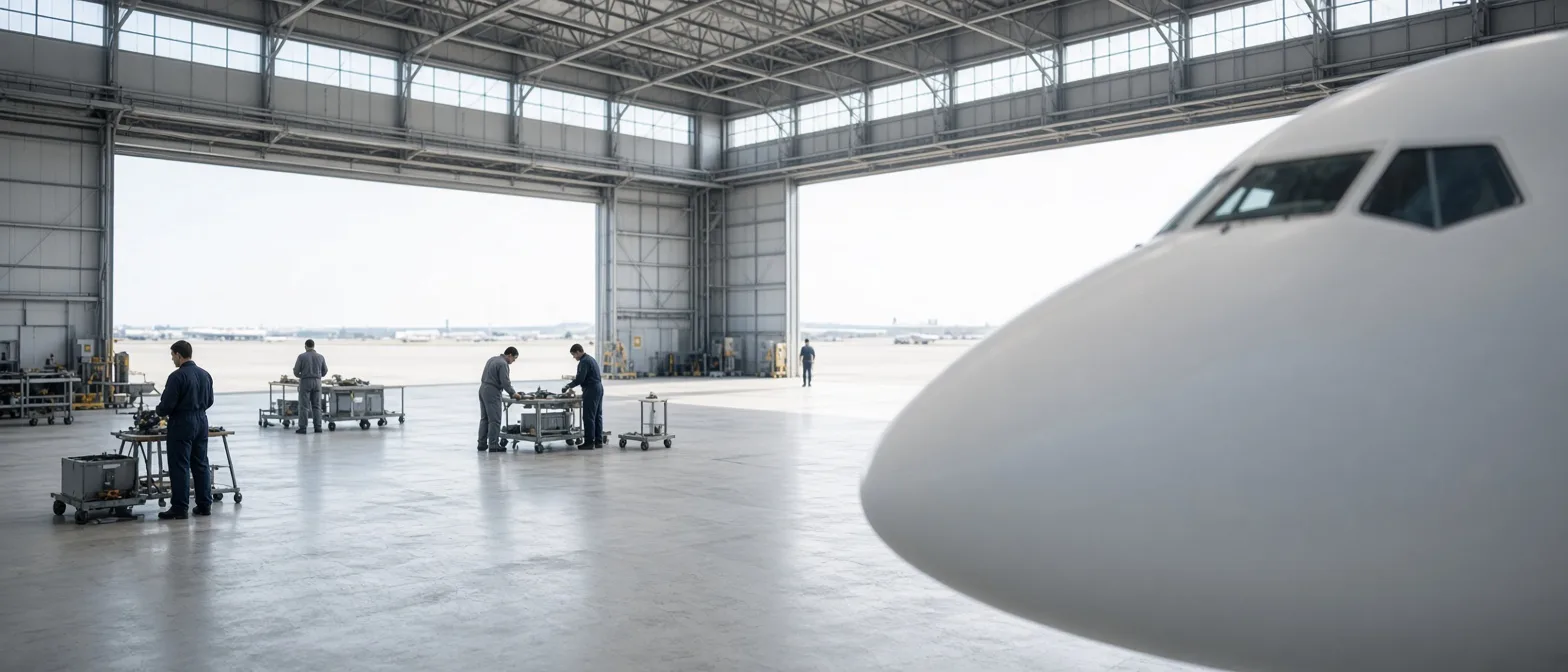
Hangar 2
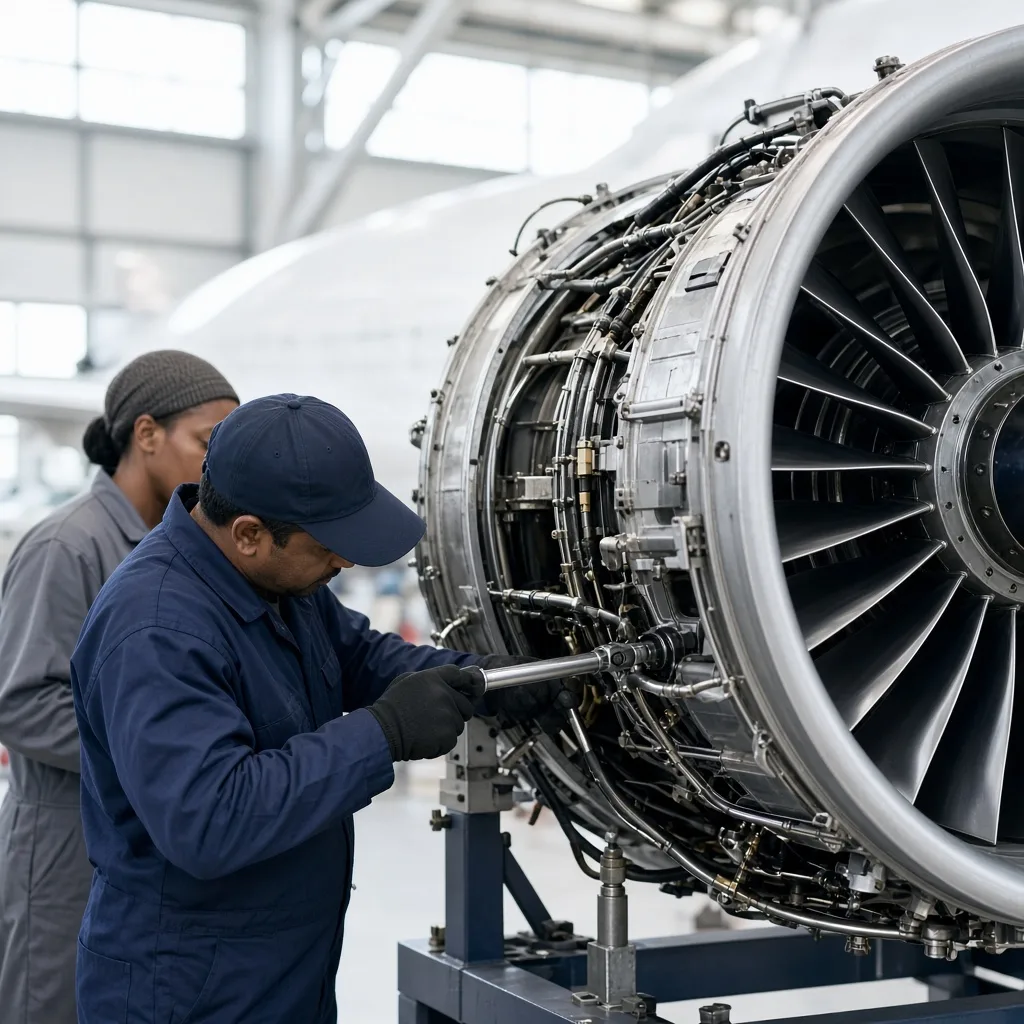
Engine shop
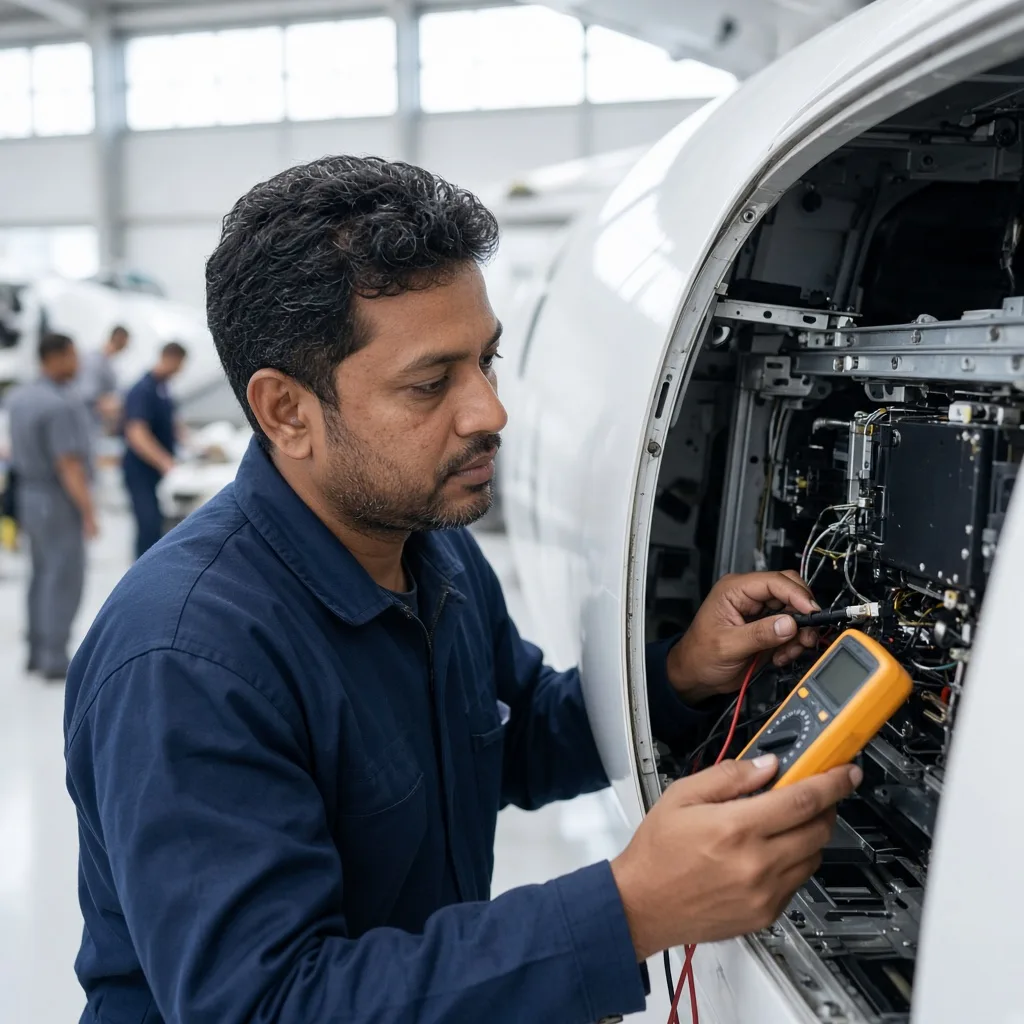
Avionics lab
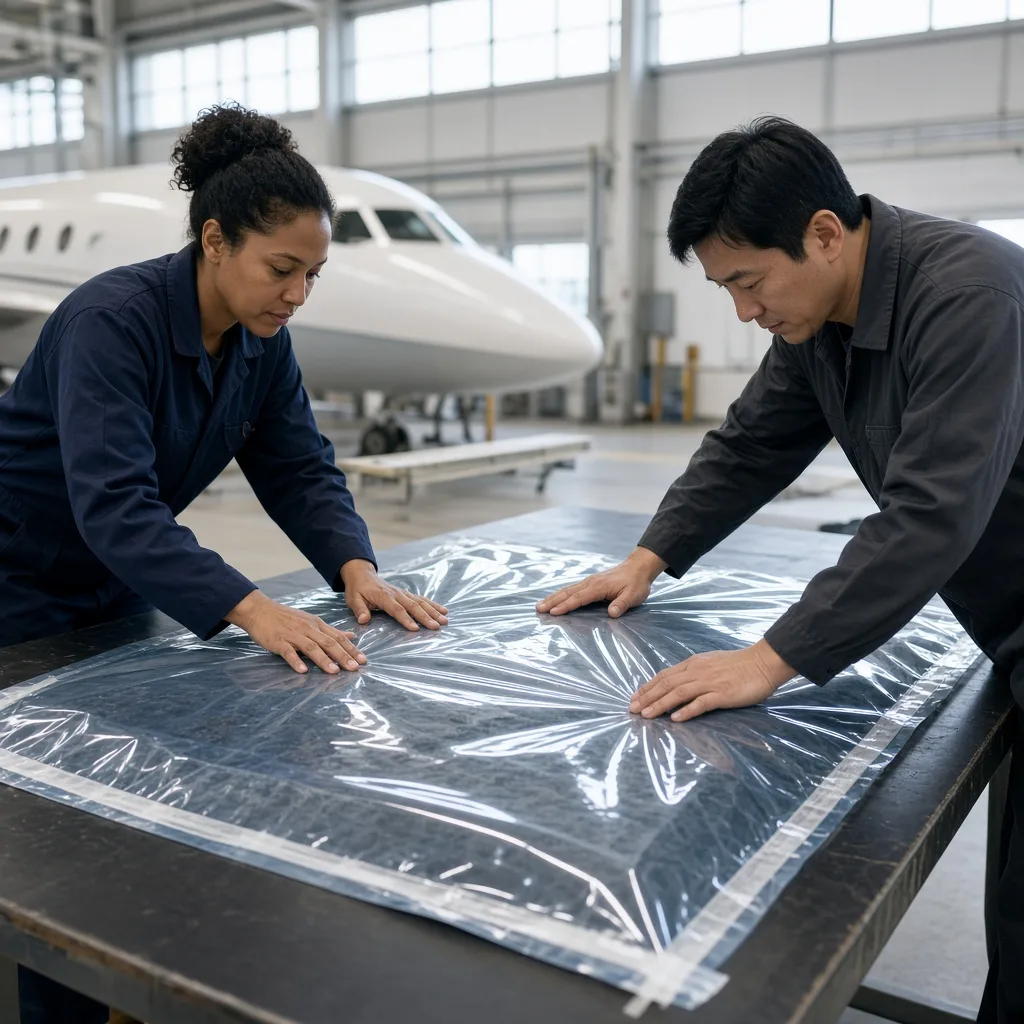
Composites room
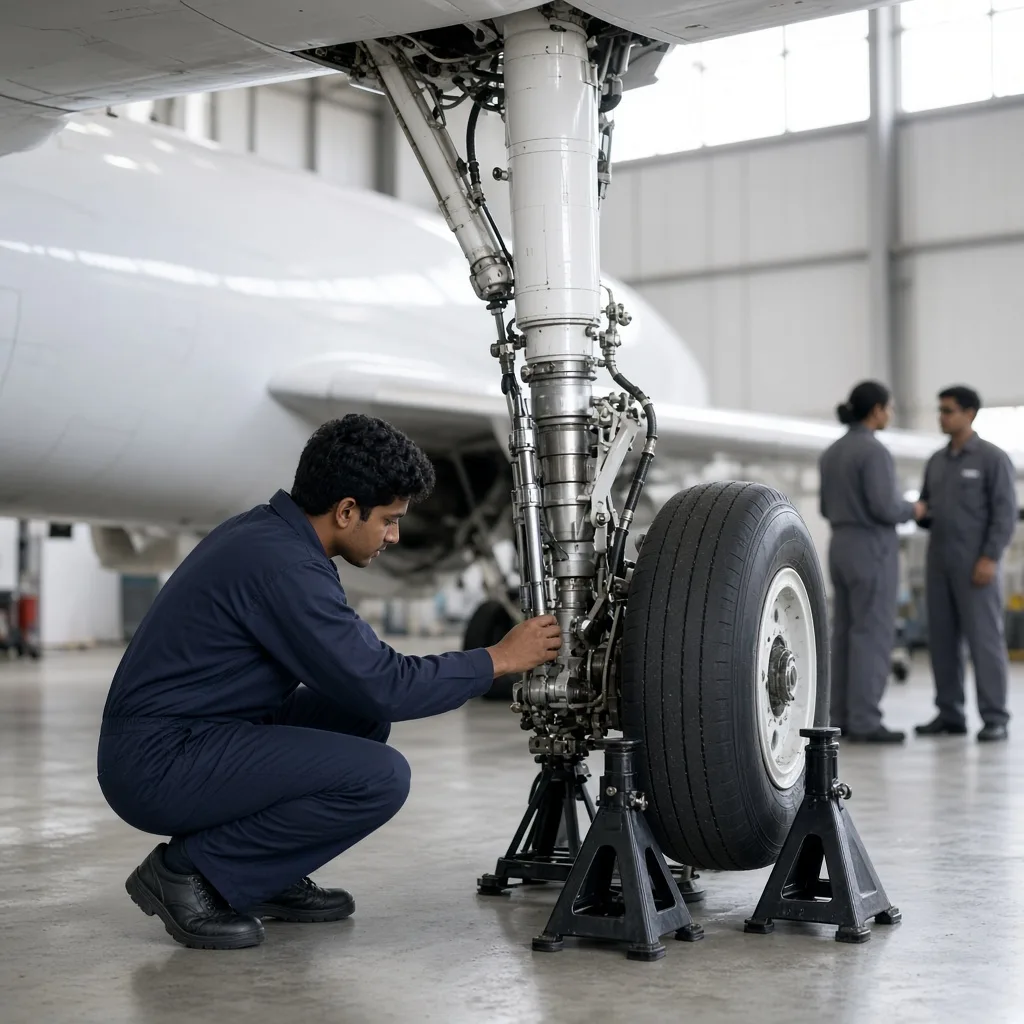
Tool store
Specialized Workshops, Laboratories, and Stores
Specialized technical facilities support our hangar teaching. The Engine Shop houses turboprop and turbofan test stands, borescope inspection kits, and dedicated dismantling stations. The Avionics Lab features digital diagnostic test benches, wiring harness looms, radar test sets, and signal generators. In the temperature-controlled Composites Room, students master vacuum-bagging, pre-preg laminating, and composite repair techniques on modern honeycomb structures. The central Tool Store and Technical Library enforces strict shadow-board calibration, calibrated torque wrench management, and original airframe technical manuals. Tool controllers issue equipment under strict personal tagging procedures, ensuring every student practices the tool accountability protocols mandated across professional commercial aviation maintenance facilities.
[ RELATED ]