The Licence-Track Programme
[ PROGRAMME ]
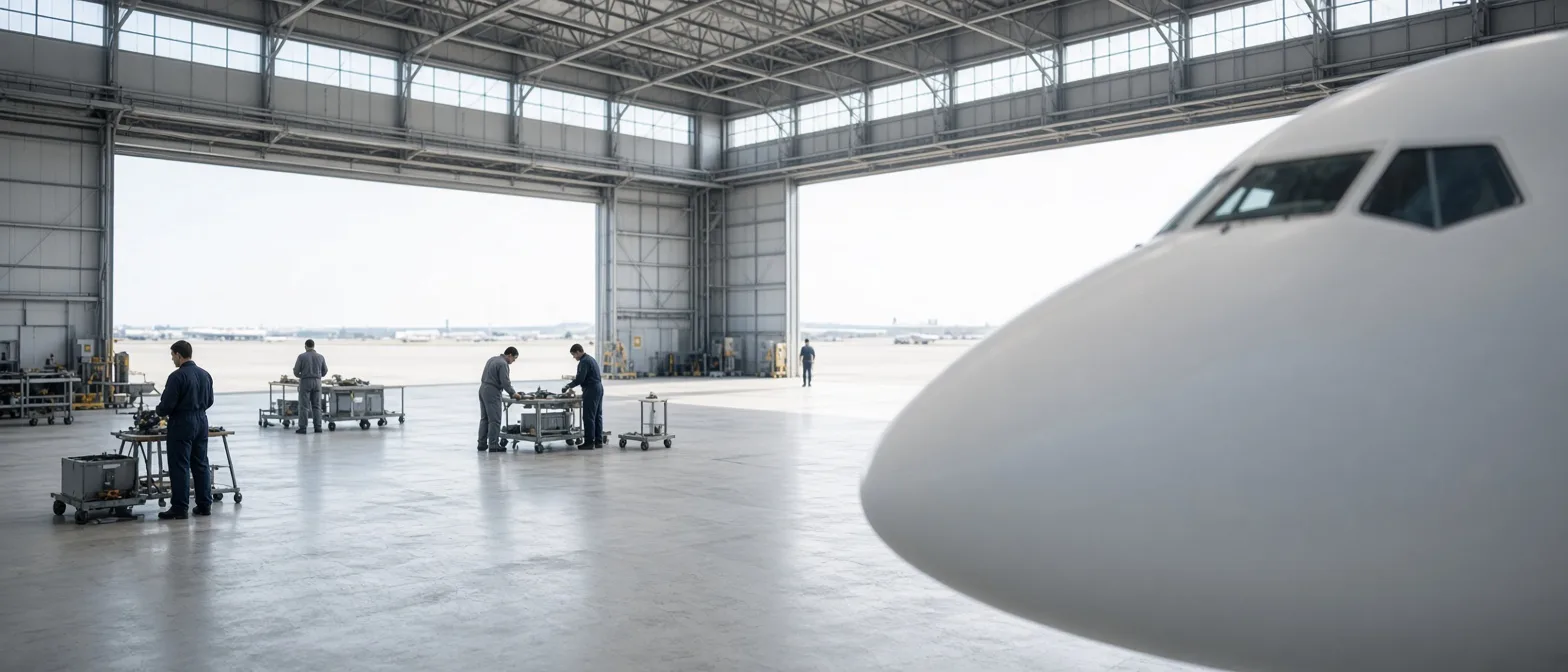
Our eighteen-month licence-track programme delivers 2,400 total training hours across five structured phases in two active hangars. Students develop mechanical competence, diagnostic skills, and professional maintenance habits under licensed instruction.
NEXT STEP ›
March 2027 cohort starts Monday 1 March
[ PROGRAMME ]
HOW THE EIGHTEEN MONTHS ARE SEQUENCED
The 2,400-hour licence-track programme advances methodically across eighteen months. Trainees begin with six months of foundational theory and workshop skills, progress into six months of advanced aircraft systems, complete three months of type familiarisation on live airframes, and conclude with three months of line placement and final assessment, accompanied throughout all eighteen months by continuous human factors and regulation reviews.
Month
01
02
03
04
05
06
07
08
09
10
11
12
13
14
15
16
17
18
Foundation
900 hours
Systems
1,040 hours
Hangar practice & type familiarisation
200 hours
Line placement & final assessment
140 college hours
Human factors & regulation thread
120 hours · months 1–18
Curriculum Phases Across Eighteen Months
The curriculum spans 2,400 hours organized into five clear phases across eighteen months. Months 1 to 6 deliver Foundation training covering 900 hours of mathematics, electrical principles, and core workshop practice. Months 7 to 12 transition into Systems, providing 1,040 hours focused on airframe structures, turbine powerplants, and modern avionics installations. Months 13 to 15 dedicate 200 hours to intensive hangar practice and type familiarisation on operational turboprop and light jet airframes. Months 16 to 18 conclude with line placement and final college assessment, totaling 140 college hours alongside supervised maintenance environment shifts. Running continuously across all eighteen months is a 120-hour thread in human factors and civil aviation regulation, instilling duplicate inspection discipline and legal compliance throughout every practical exercise.
[ MODULES ]
EIGHT MODULES, ONE HANGAR
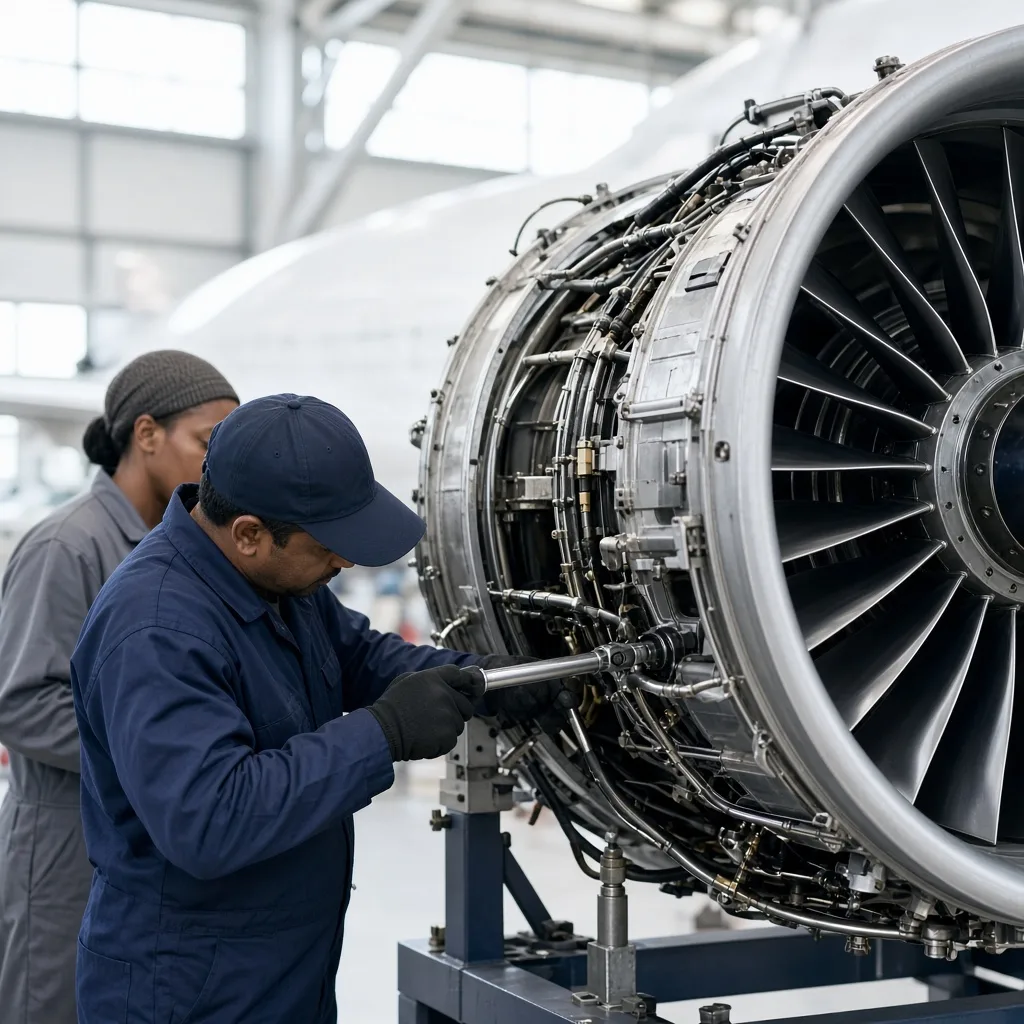
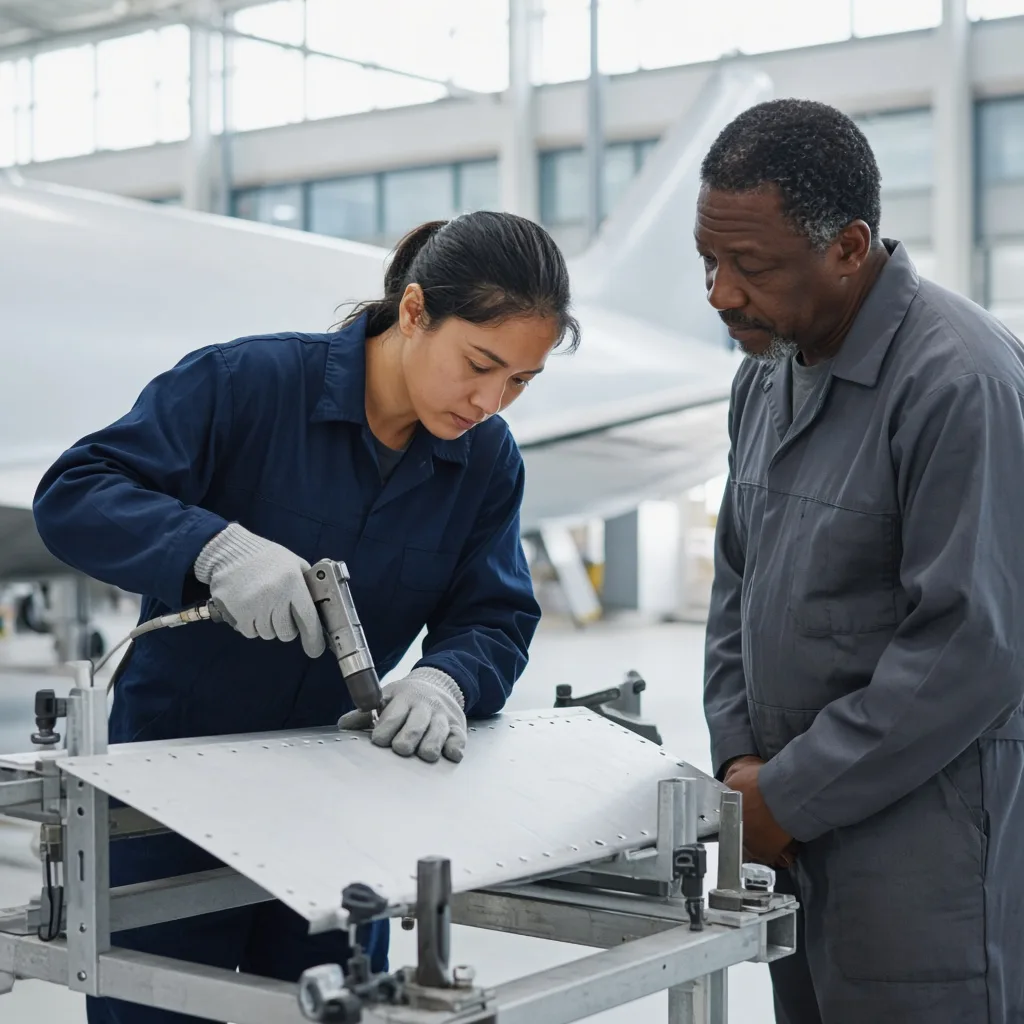
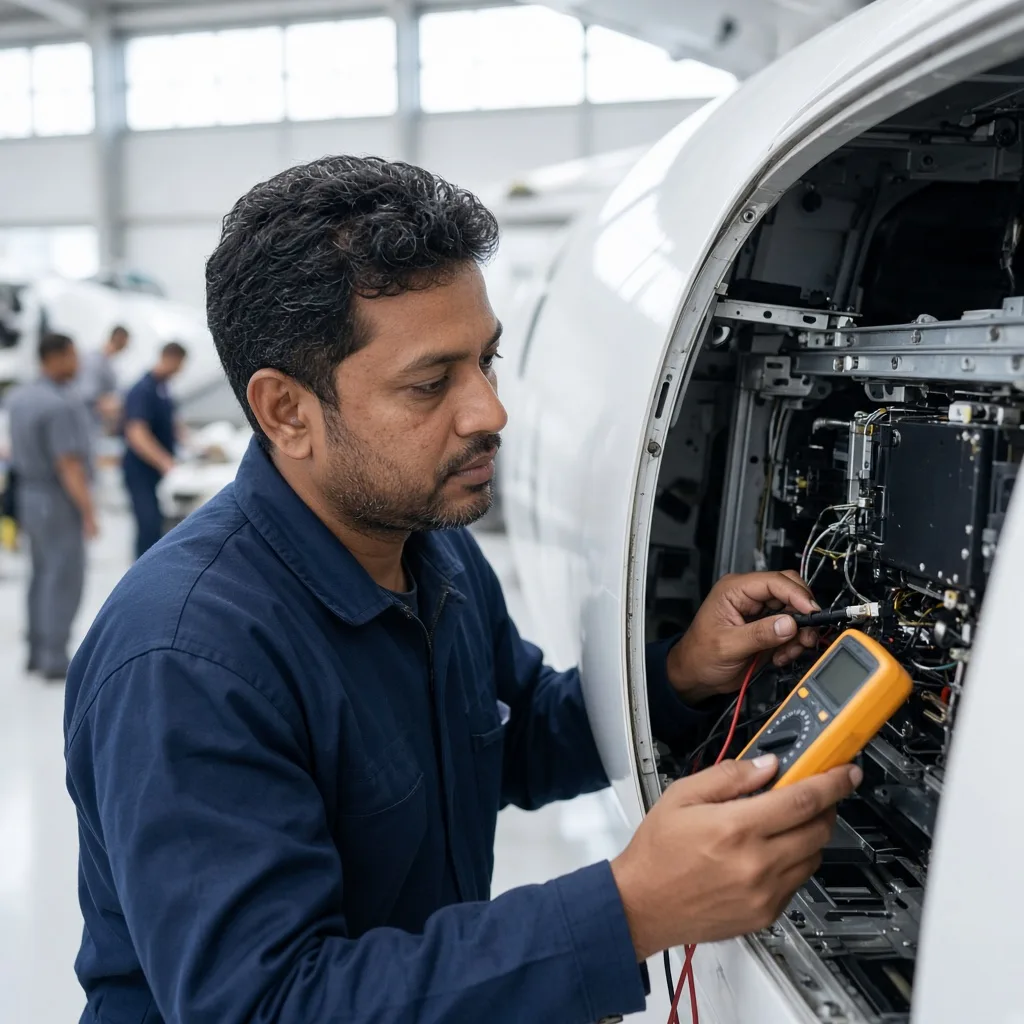
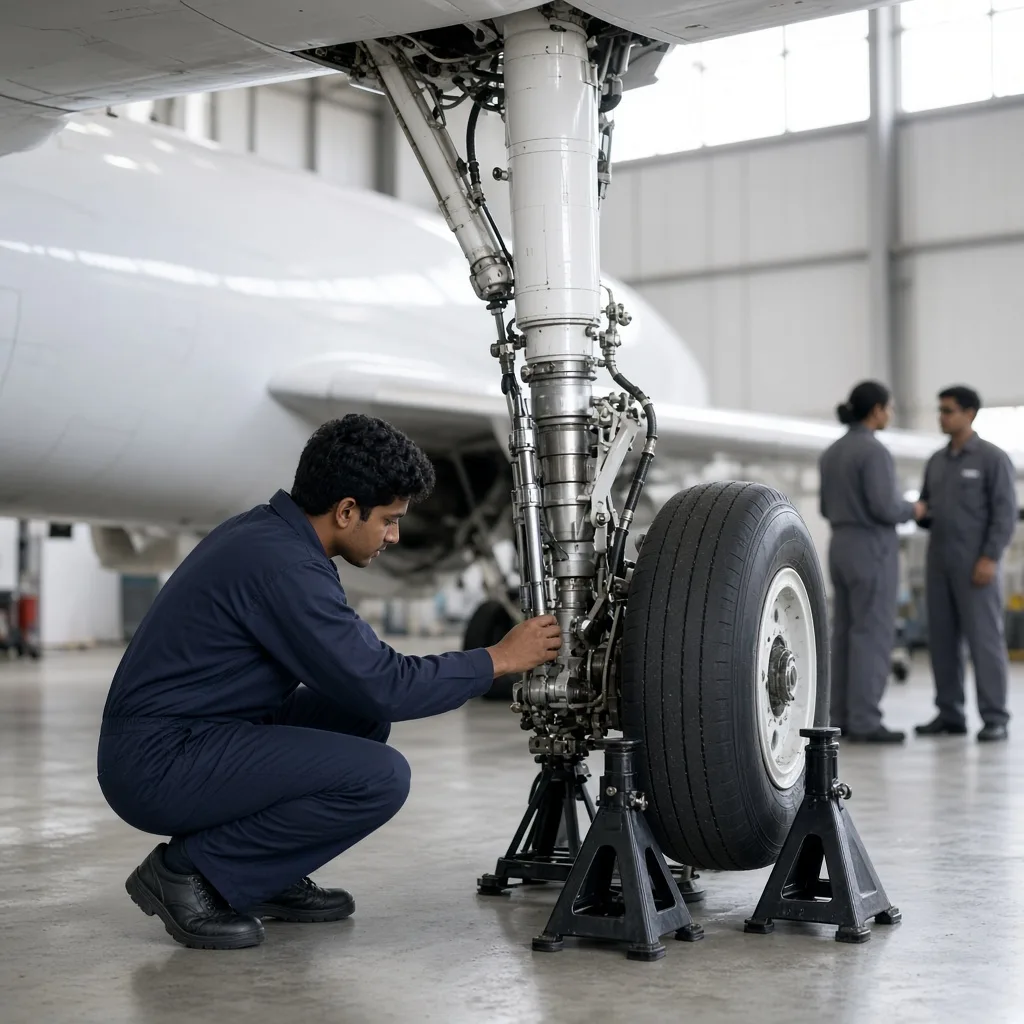
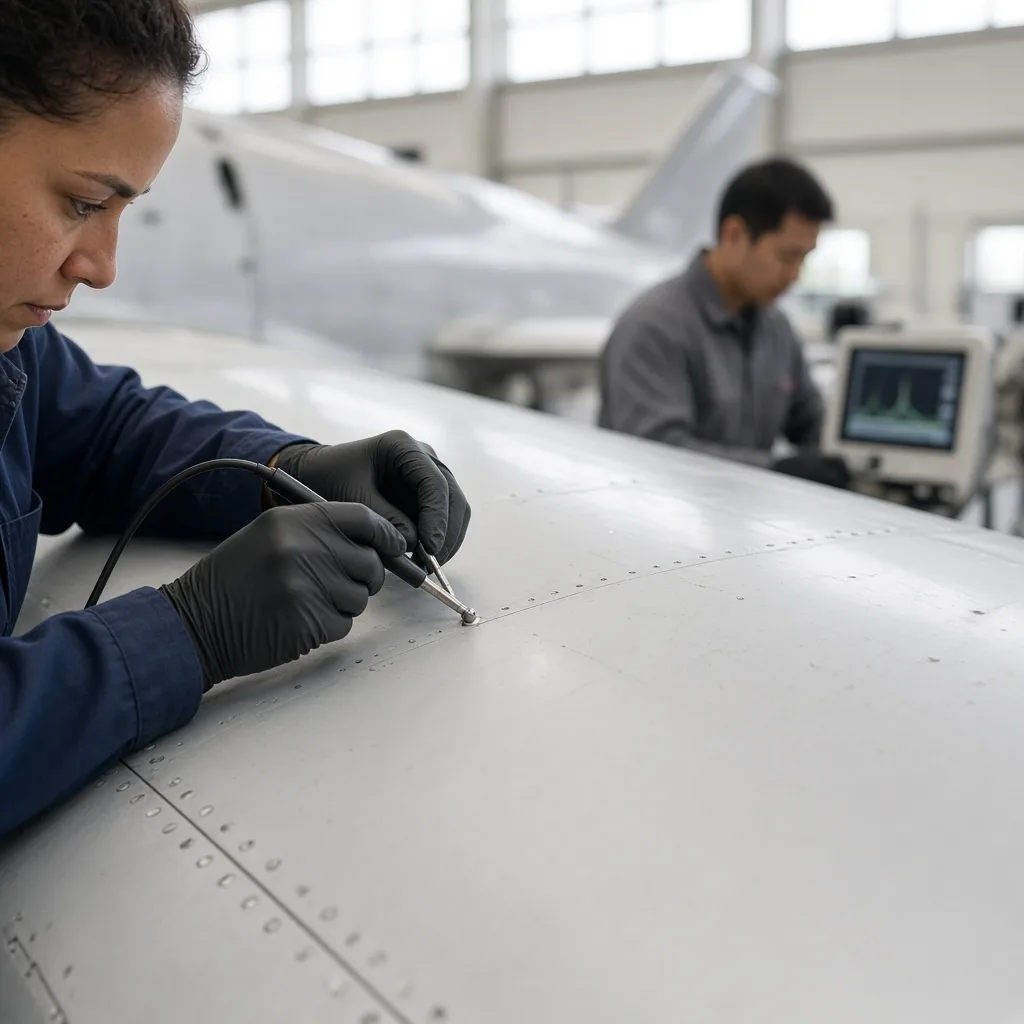
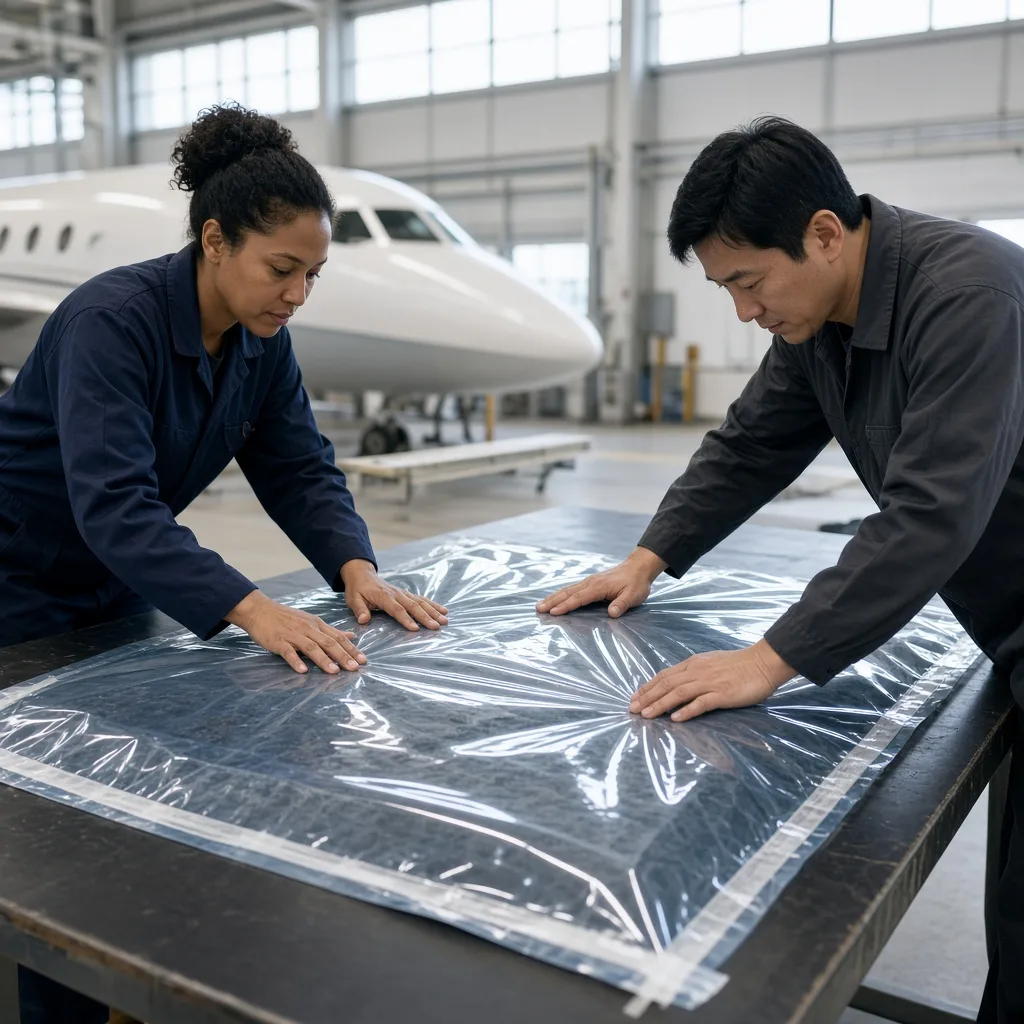
The curriculum unites eight technical modules into a cohesive hangar training sequence. Students rotate through turbine powerplant overhaul, airframe structural repairs, avionics diagnostics, landing gear overhauls, non-destructive testing, and vacuum-bagged composite fabrication, reinforced continuously by meticulous task recording and human factors safety discipline.

The Daily Maintenance Routine
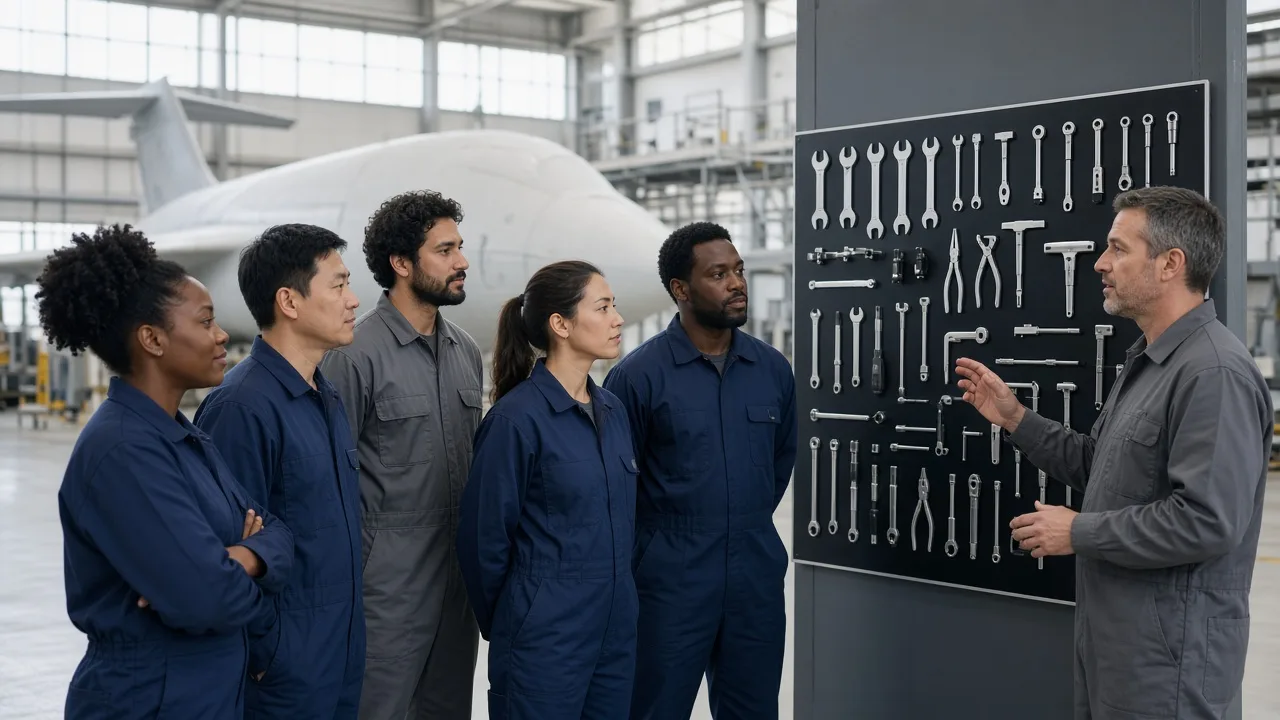
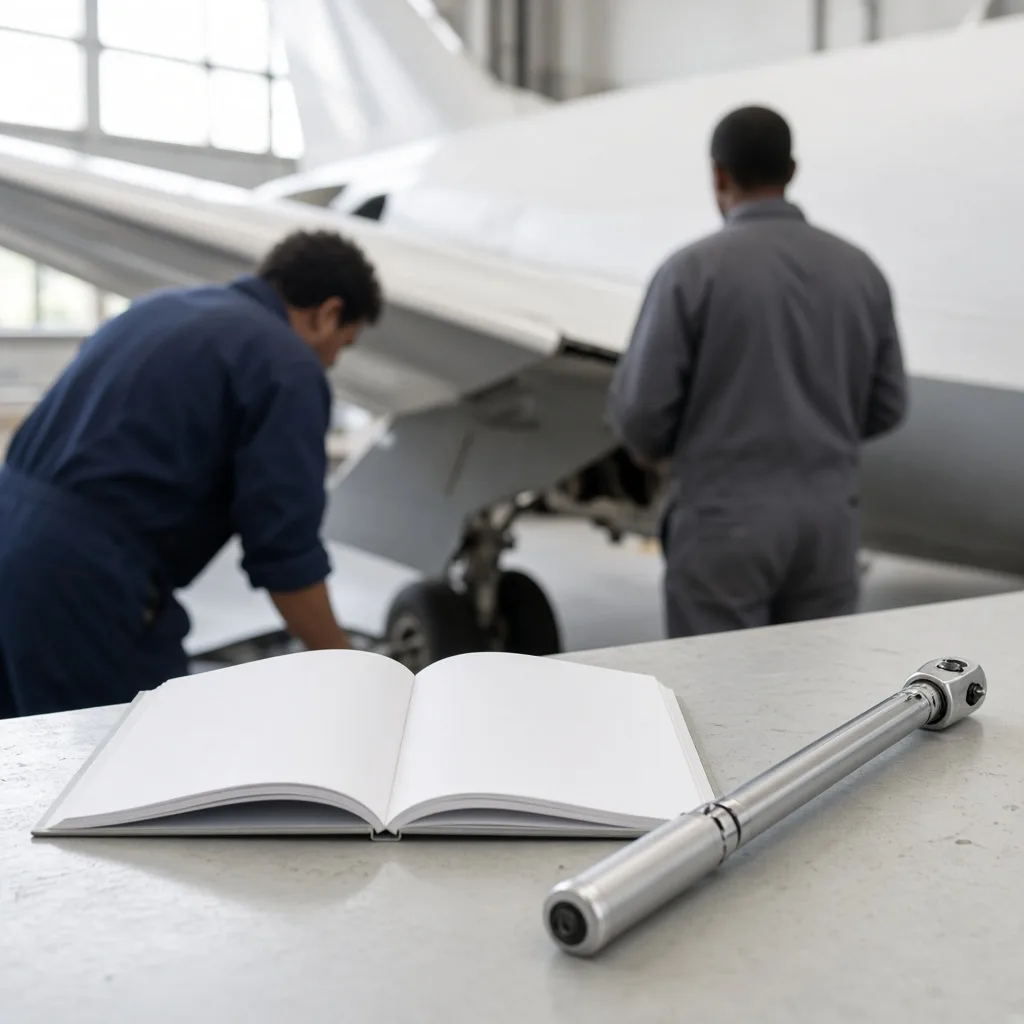
Hangar teaching days run Monday to Friday from 07:30 to 16:00, mirroring commercial maintenance shift patterns. The morning opens at 07:30 with mandatory tool control and individual toolbox checks, followed by a formal shift briefing at 07:45 outlining safety notices and task assignments. From 08:00 to 12:00, students work through approved task cards directly on aircraft under instructor oversight. Following a lunch interval, academic theory sessions run from 12:45 to 15:00 in dedicated classrooms. The final hour from 15:00 to 16:00 is reserved for duplicate inspections, maintenance logbook sign-offs, and rigorous tool counting before the hangar floor closes. During line placements in the final term, students observe these identical standards across supervised line maintenance facilities.
[ A DAY IN THE HANGAR ]
From toolbox check to sign-off
- 07:30 Tool control and toolbox check
- 07:45 Shift briefing and task allocation
- 08:00–12:00 Task cards on live airframes in the hangar
- 12:45–15:00 Technical systems theory in the workshop classrooms
- 15:00–16:00 Duplicate inspection, sign-off and tool count; the hangar closes at 16:00
[ RELATED ]