Studies
Our case archive presents recent qualitative studies addressing commercial, manufacturing, and public sector questions. Each study focuses on a singular operational inquiry investigated through direct human conversation and paper synthesis.
STUDIES
01 — Three studies, clients anonymised
Membership · Grocery co-op members, 2025
Why did members stop opening the app?
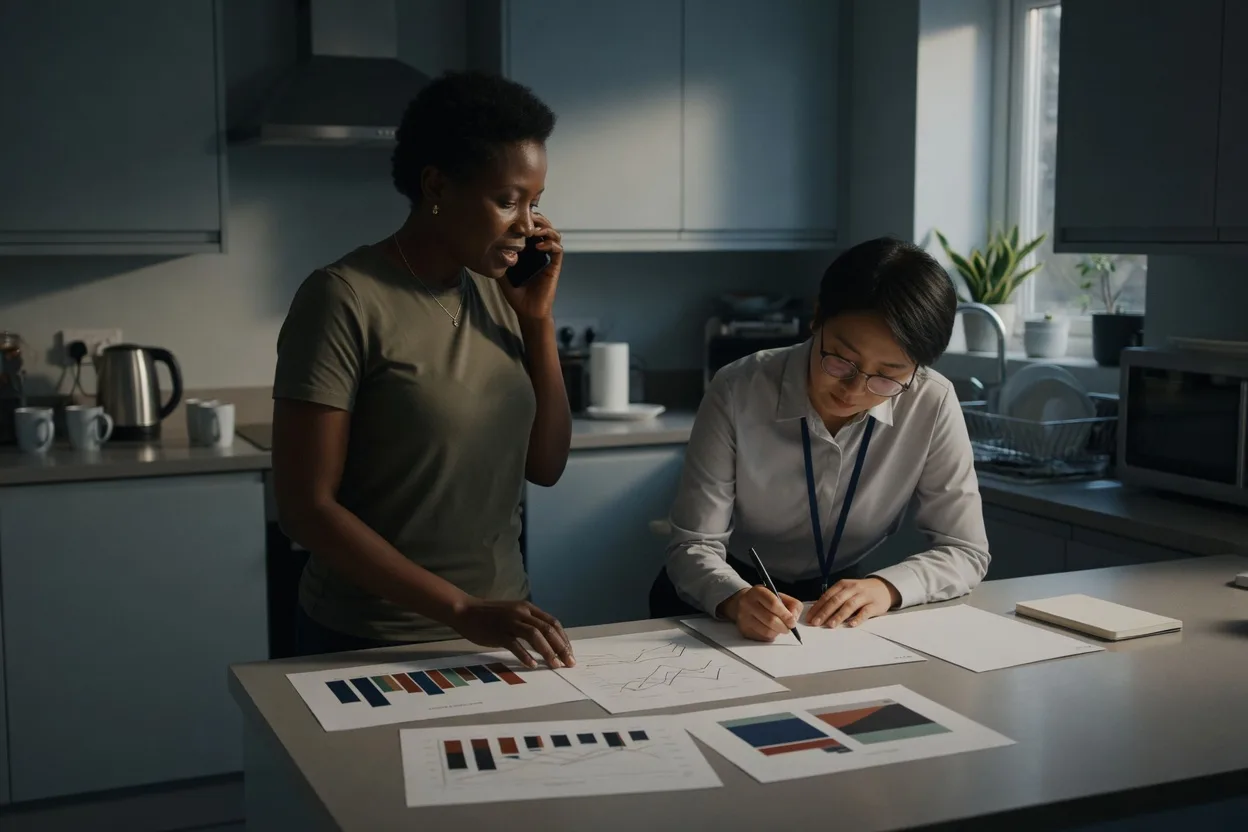
In early 2025, a regional grocery cooperative commissioned Shirabe Research to resolve a critical operational question: ‘Why did members stop opening the app?’ While digital download metrics remained steady, active daily usage had declined sharply across established membership tiers. Our fieldwork investigated member shopping rituals across three cities, completing twenty-four in-depth interviews and logging forty-one hours of detailed recordings. The investigation uncovered six primary behavioral findings, demonstrating that member disengagement stemmed from store connectivity failures and a strong preference for printed in-store circulars over digital interfaces during physical shopping trips.
interviews
24
findings
6
Retail · Bicycle maker, 2024
What does a first-time buyer check before paying?
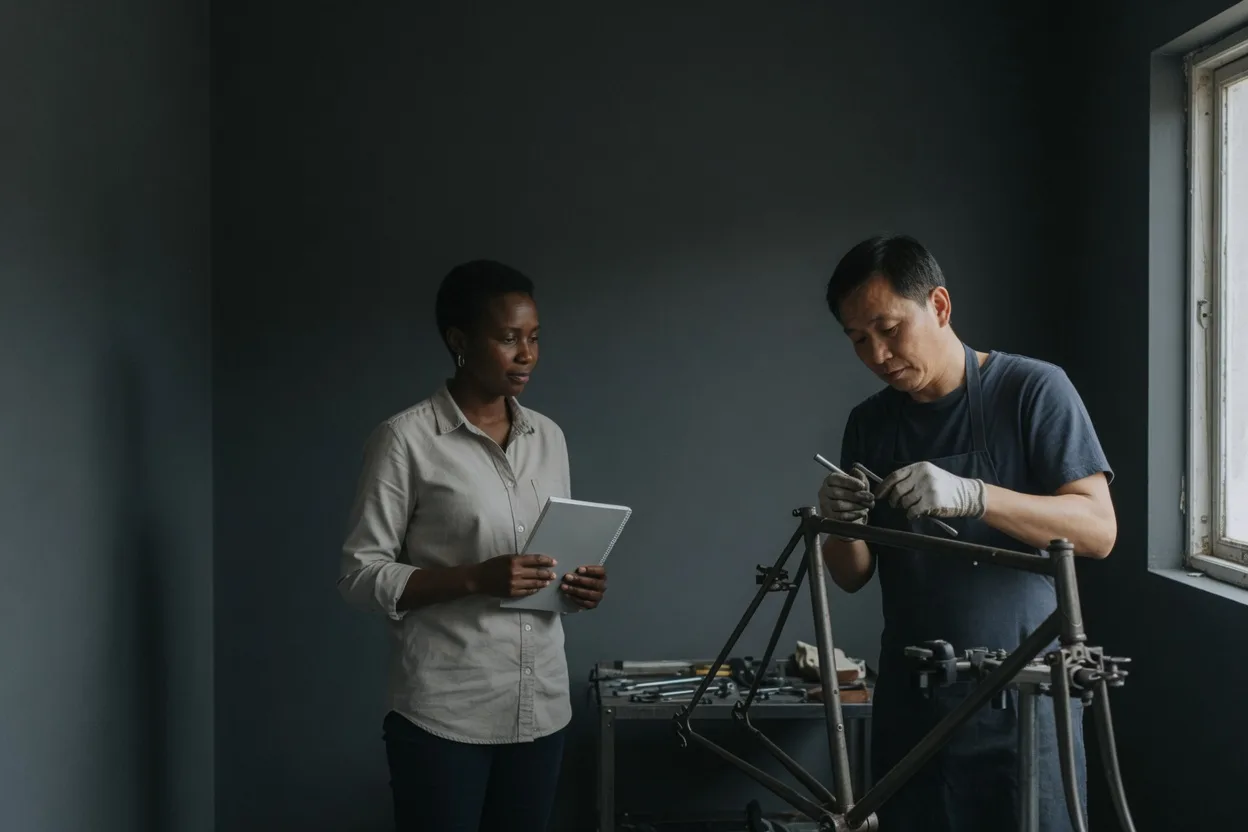
During 2024, an independent bicycle manufacturer retained our team to answer an essential retail puzzle: ‘What does a first-time buyer check before paying?’ Rather than relying on post-purchase online surveys, our researchers conducted eighteen in-store observational visits across two countries. By shadowing novice shoppers and conducting immediate on-site intercept dialogues, we identified nine distinct friction points. The study revealed that purchase decisions were driven not by technical gear ratios or frame alloy specifications, but by intuitive ergonomic comfort, brake lever reach, and anxieties surrounding roadside maintenance.
store visits
18
findings
9
Public sector · Library network, 2023
Who comes in after 18:00, and why?
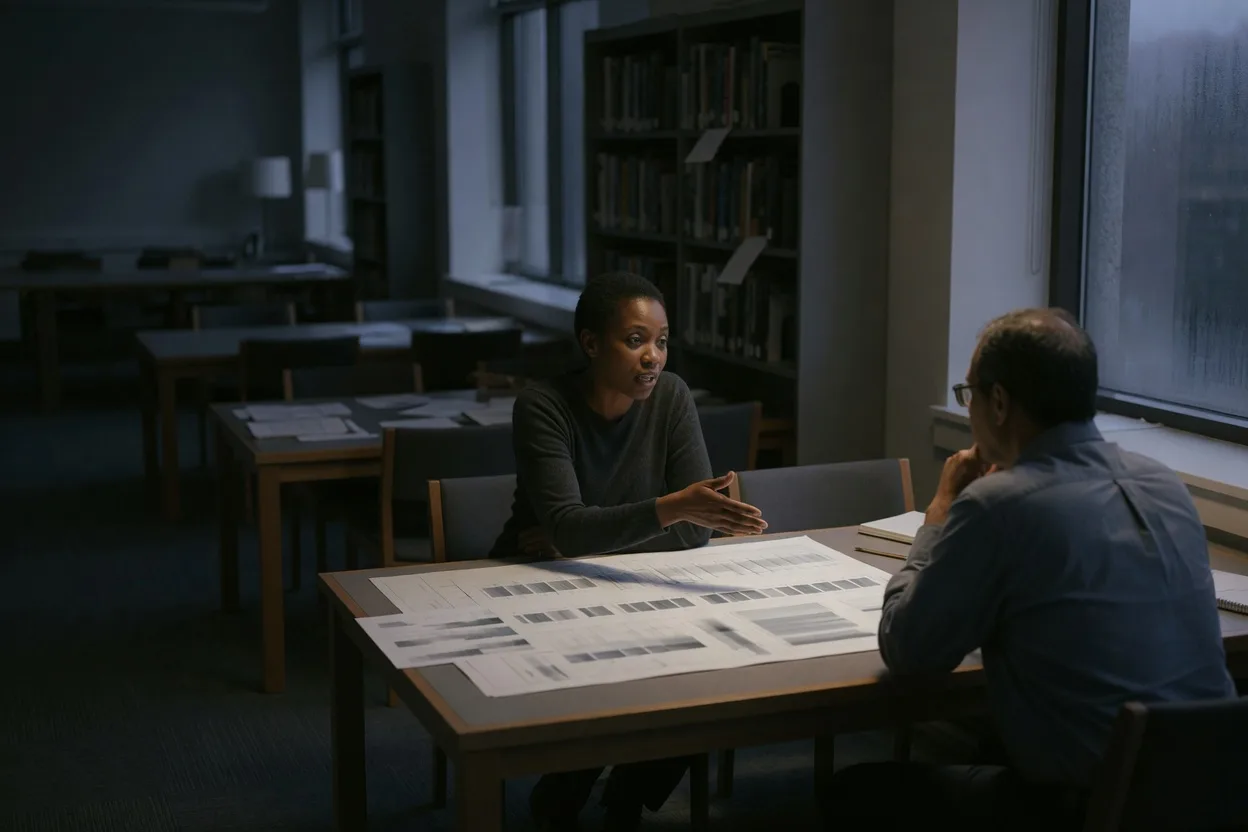
In 2023, a metropolitan municipal library system engaged Shirabe Research to evaluate facility utilization with the question: ‘Who comes in after 18:00, and why?’ Across five municipal branch libraries, our team conducted thirty-two in-person evening interviews with patrons, students, and local workers. The fieldwork yielded four comprehensive findings detailing how branch facilities functioned outside traditional borrowing hours. Rather than checking out catalogued literature, evening visitors sought quiet, well-lit spaces equipped with reliable desk power outlets and local community reference materials.
interviews
32
findings
4