How We Work
Our therapy follows a clear, unhurried rhythm designed around real conversation rather than mechanical drills. Through three connected stages—Listen, Practise, and Carry it home—we ensure communication skills flourish beyond our clinic walls.
Listen: understanding conversation at ease
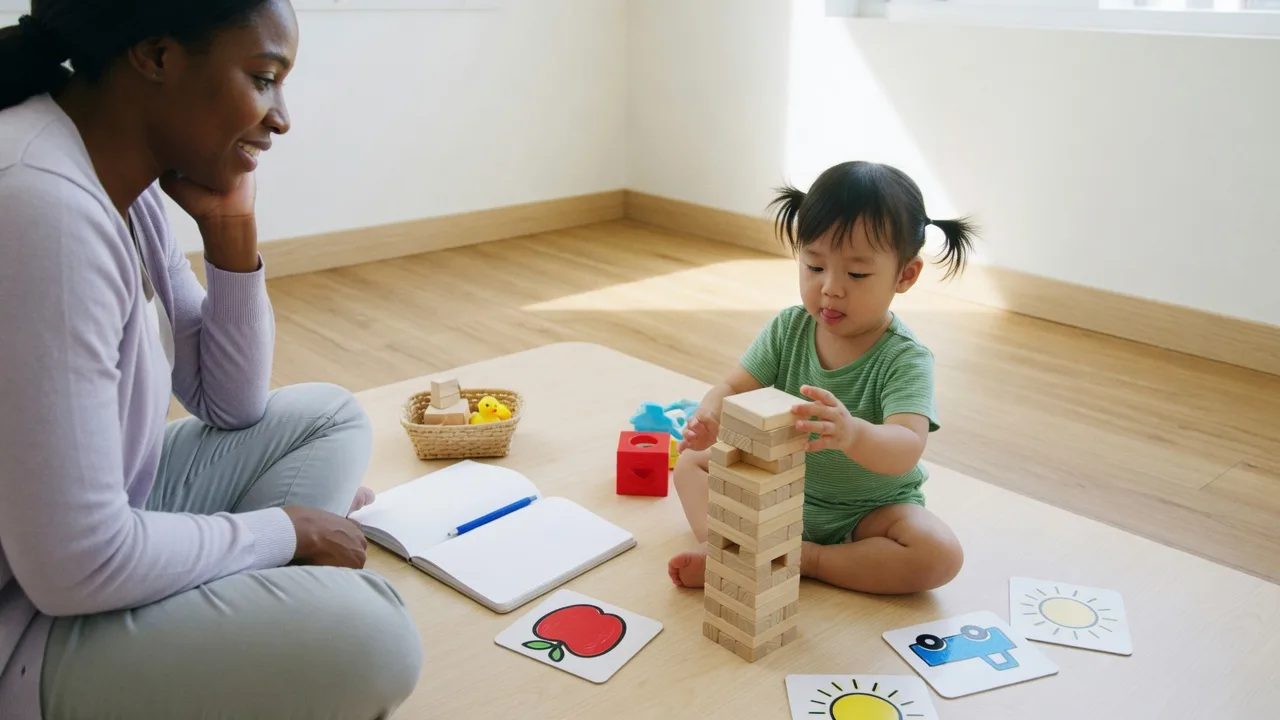
Every therapeutic journey at Hibiki Speech begins with careful, patient listening. Before opening assessment kits, formal testing booklets, or diagnostic charts, we observe how a person communicates naturally when completely at ease. We watch how a toddler explores toys on the mat, how a parent phrases everyday questions, or how an adult recovering from illness searches for words over a cup of tea. Communication is deeply personal, influenced by emotion, fatigue, and environmental comfort. By observing speech without judgment or immediate correction, your therapist identifies authentic communication strengths and pinpoints the precise moments where words become blocked or strained. This foundational stage ensures our subsequent therapy plan targets functional, real-world communication rather than artificial clinic exercises.
Practise: focused forty-five minutes with one therapist
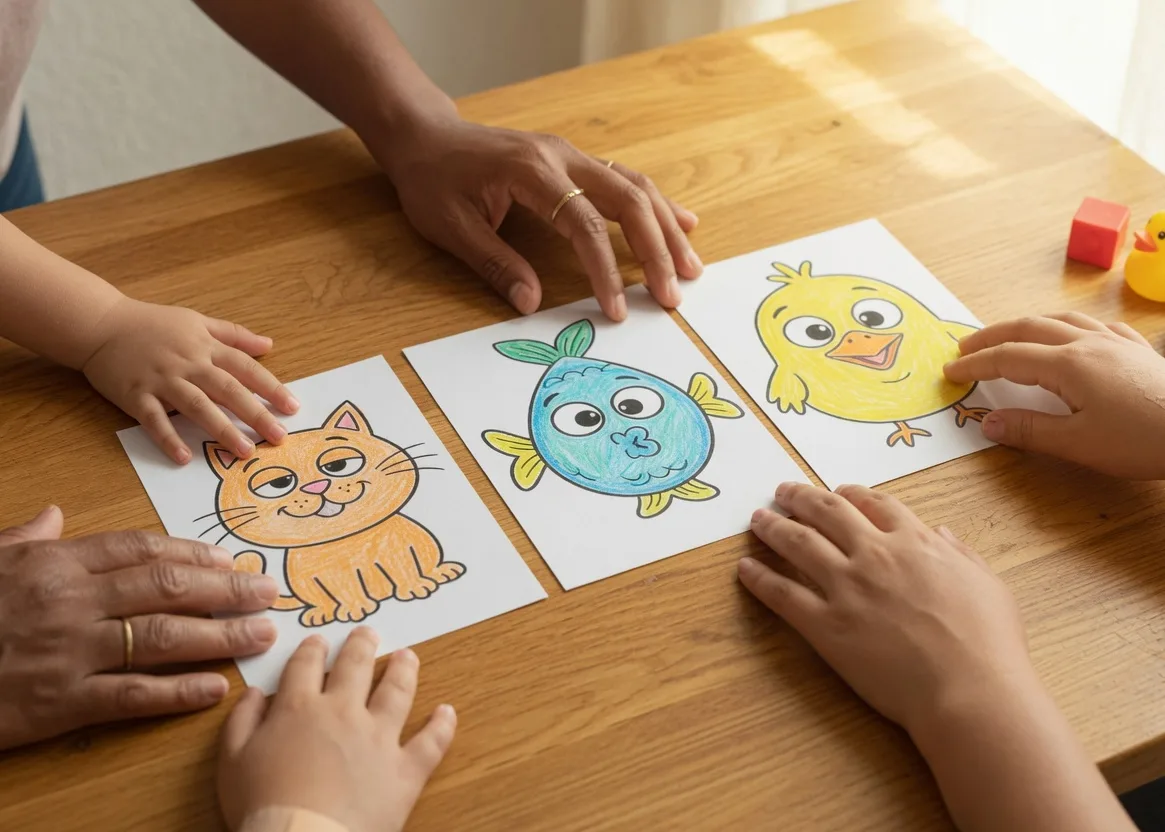
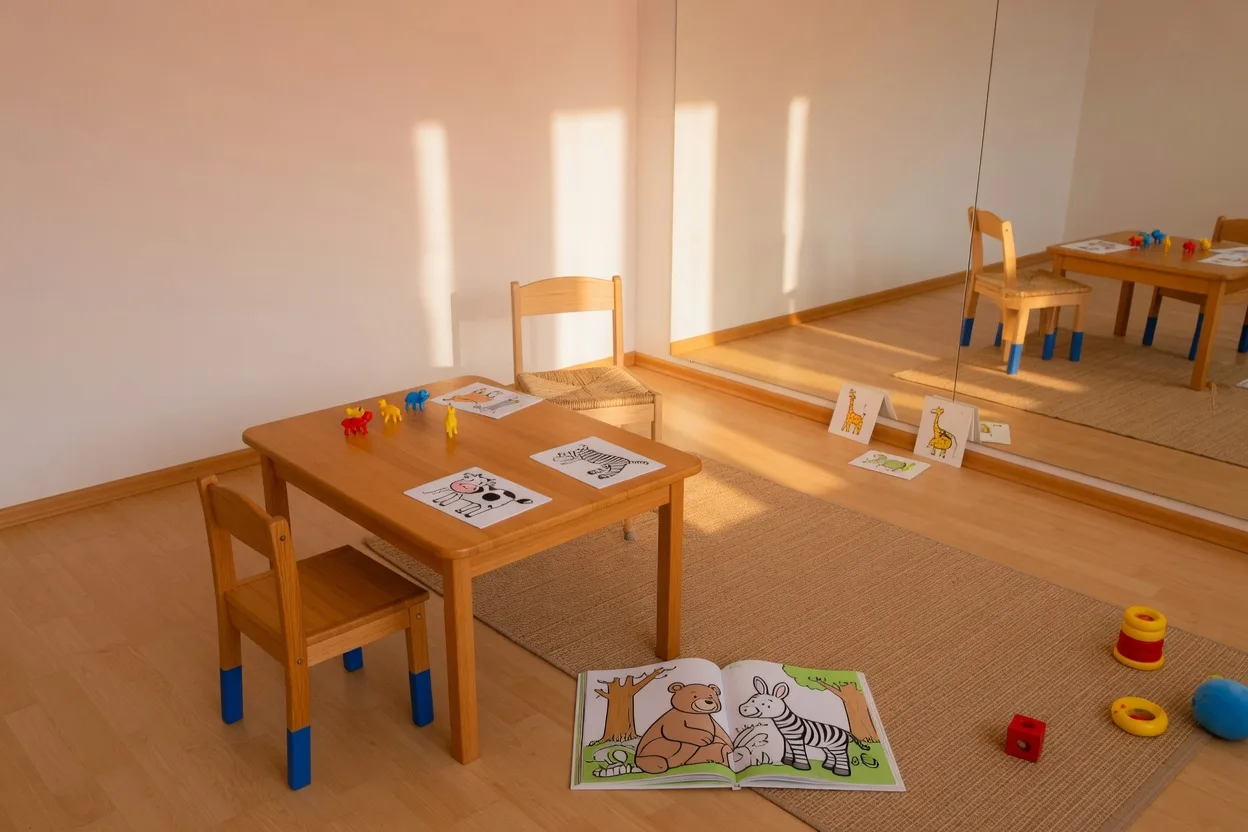
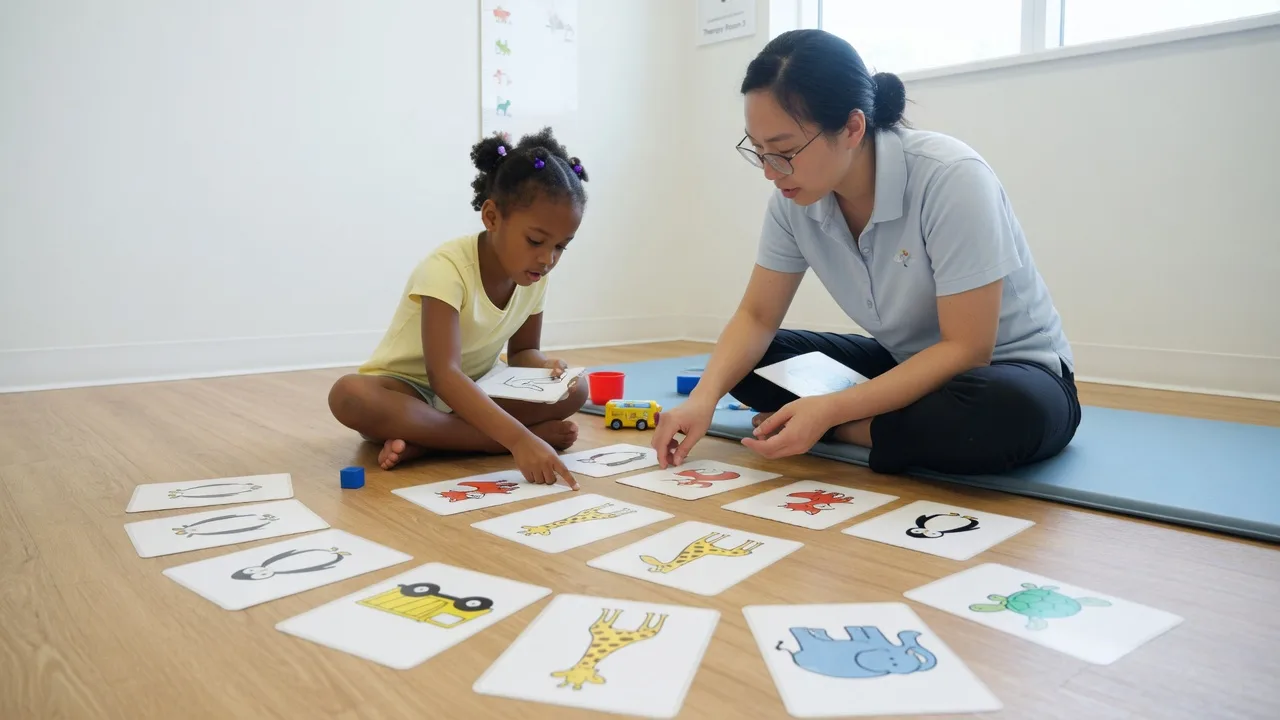
Once we understand your communication patterns, therapy moves into active practice. Each session lasts exactly forty-five minutes and is conducted by the same dedicated speech and language therapist every week. We do not rotate staff or leave clients working independently with software. Instead, the session is structured around dynamic games, tactile objects, mirror practice, or guided conversation tailored to the individual. We break complex communication hurdles into manageable steps, celebrating subtle milestones and adjusting techniques immediately when a task feels too easy or frustrating. Because you work with one clinician throughout your block of care, you never waste time establishing rapport or repeating your history. The entire forty-five minutes is dedicated to focused, supportive, and restorative practice.
Carry it home: the ten-minute daily practice card
Real communication growth happens between clinic visits, embedded in the familiar rhythm of everyday life. At the conclusion of each session, your therapist prepares a simple ten-minute daily practice card. This is never a burdensome packet of homework or theoretical paperwork. Instead, it offers two or three focused, enjoyable activities that fit effortlessly into your existing routine, such as naming games during bath time, vocal warm-ups while making coffee, or word-finding exercises using a family album. By keeping daily home practice to just ten minutes, families and adult clients can maintain consistent daily engagement without overwhelm. This steady, bite-sized practice reinforces neural pathways, solidifies newly learned speech habits, and transforms clinic gains into durable everyday competence.


The numbers behind our care
Our clinical framework is built around four dependable numbers that guide our practice: 45 minutes per therapy session, 8 sessions per structured block, 10 minutes of daily practice at home, and a commitment that new clients are seen within 2 weeks of their first call. We believe transparency in scheduling and structure brings peace of mind to families and adult clients. Forty-five minutes provides the optimum balance of energetic focus without cognitive fatigue. An eight-session block offers sufficient duration to achieve measurable clinical change while maintaining a clear endpoint for review. Ten minutes of daily practice ensures sustainable progress without burdening domestic routines. Finally, seeing new clients within two weeks ensures that early concerns are addressed without stressful delays.
45
minutes per session
8
sessions per block
10
minutes of home practice a day
2
weeks to a first assessment
Book an assessment
A free 15-minute call comes first. New clients are seen within 2 weeks of that call.