Frequently Asked Questions
Here are answers to the questions families and adult clients most frequently ask about our speech therapy services, appointments, and fees. If you have a specific inquiry not covered here, Claire Dumont is always happy to assist.
Do I need a doctor’s referral to book an appointment?
No, you do not need a medical referral from a doctor or paediatrician to book an appointment at Hibiki Speech. We welcome self-referrals directly from families, adult clients, and carers. You can contact our family coordinator Claire Dumont by phone or email to schedule a free fifteen-minute introductory call. However, if your doctor, neurologist, or school teacher has prepared a previous diagnostic report or medical summary, bringing a copy to your initial ninety-minute assessment can provide helpful background context for your therapist.
Can speech therapy sessions take place by video?
Yes, we offer secure video therapy sessions for adult clients and home practice reviews. Video consultations are particularly convenient for adults with mobility limitations, busy professional schedules, or those living further from our Westmere clinic. Each video session lasts forty-five minutes and follows the identical therapeutic standard as our in-person appointments. We also provide thirty-minute video home practice reviews for parents who want quick clinical feedback on their child’s home practice card without travelling to the clinic.
Which languages do you support in therapy?
Our primary language of assessment and therapy at our Westmere clinic is English. However, we have extensive clinical experience working with multilingual children and bilingual families. We evaluate speech sound development and language acquisition with careful consideration of a child’s complete linguistic background, ensuring normal bilingual patterns are never misdiagnosed as developmental delays. When working with multilingual households, we encourage parents to speak their natural home language during domestic routines, as strong native language foundations support overall communication skills.
Will my private health insurance cover therapy fees?
Many private health insurance providers cover speech and language therapy, though individual policy terms and reimbursement rates vary. Hibiki Speech provides itemised receipts following every session or block payment, containing all necessary diagnostic descriptions, service codes, and therapist registration numbers required by insurance assessors. We recommend contacting your insurance provider prior to your first assessment to confirm your specific coverage allowance. Our family coordinator Claire Dumont is experienced in preparing documentation that complies with insurer requirements.
How do you work with bilingual children?
When assessing bilingual children, our therapists look at the child’s total language capability across both languages rather than testing one language in isolation. A toddler who knows words across two languages often has a total vocabulary matching or exceeding monolingual milestones. We help parents understand how code-switching and sound development operate in multilingual homes, providing strategies that enrich language exposure without confusing the child. We never advise parents to drop their heritage language; authentic home communication is essential for healthy linguistic growth.
What happens if my child cannot sit still for forty-five minutes?
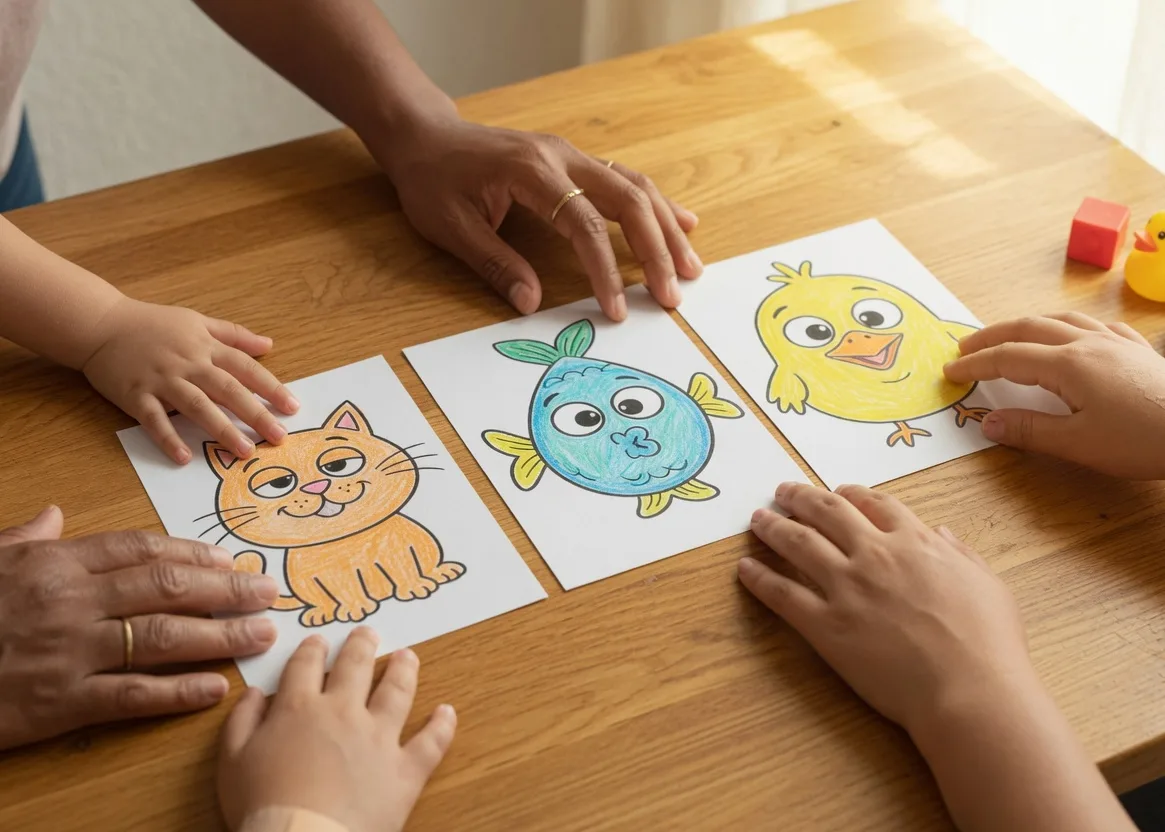
We never expect young children to sit still at a formal desk. At Hibiki Speech, pediatric sessions take place on our floor mat and around low oak tables. Movement is a natural part of communication for young children. Our therapists integrate movement into language games, whether that means blowing feathers across a table, crawling to retrieve picture cards, or stacking wooden blocks. If a child needs a sensory pause or water break, we adjust the pace immediately without pressure.
How quickly can we start therapy after contacting you?
We stand by our waiting time promise: all new clients are seen for an assessment within two weeks of their first call with Claire Dumont. We understand that waiting months for a developmental evaluation causes immense stress for families and delays vital recovery for stroke survivors. By carefully managing our clinical diary and caseloads, we ensure prompt access to our therapists without placing clients on prolonged waiting lists.
What is the difference between an assessment and a therapy session?
An initial assessment is an extensive ninety-minute session priced at €180, dedicated to evaluating medical background, speech sound articulation, language comprehension, and vocal patterns. It includes a comprehensive written report delivered within five working days outlining personalized therapy goals. Regular therapy sessions, by contrast, last forty-five minutes and cost €85 each (or €640 for a block of eight), focusing entirely on active practice, skill development, and home routines.
What should we do between weekly appointments?
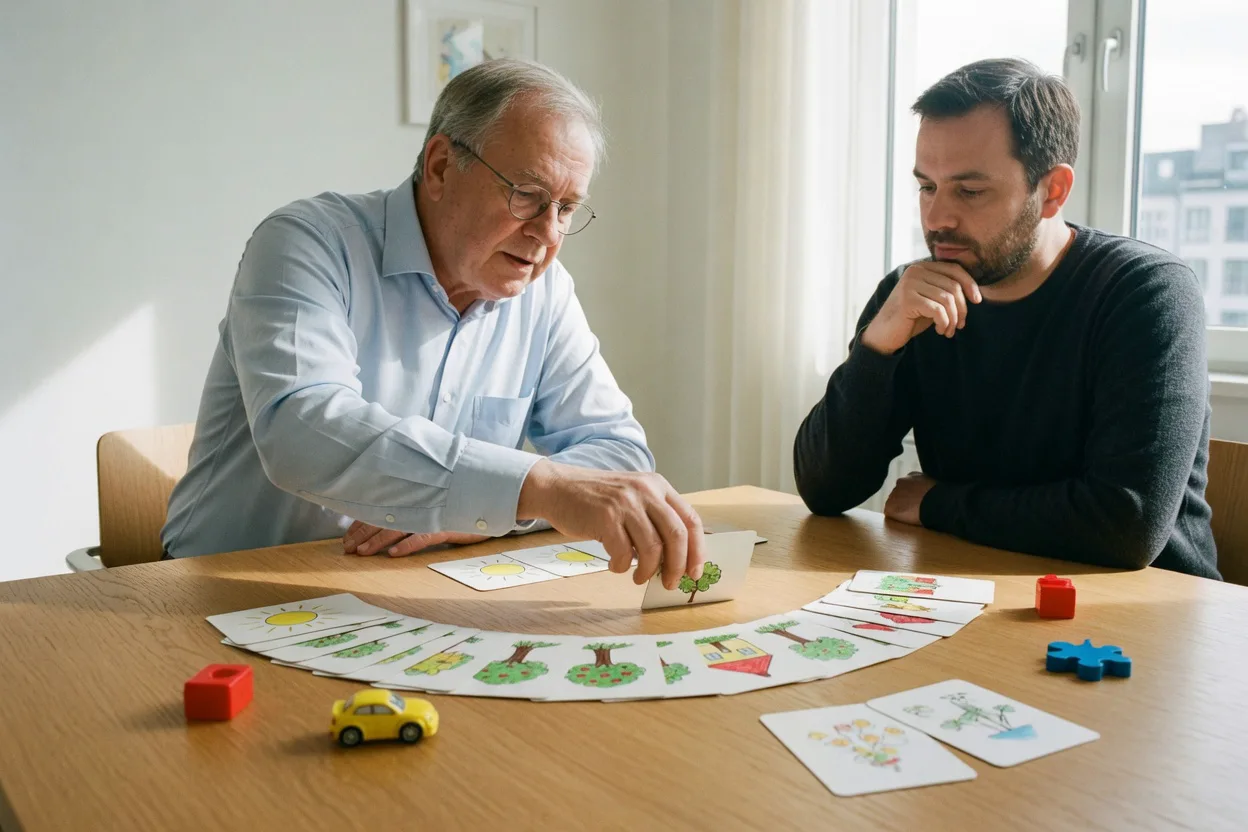
Between appointments, we ask clients and families to complete ten minutes of daily practice using the custom practice card provided at the end of each session. Ten minutes is specifically chosen to fit seamlessly into everyday domestic routines without creating stress or fatigue. Whether sorting picture cards during breakfast or practicing vocal resonance exercises while commuting, these short daily moments reinforce clinic progress and accelerate communication growth.
What is your cancellation policy?
We ask that clients please give at least 24 hours’ notice to cancel or reschedule an appointment. Because our therapists reserve forty-five minutes exclusively for you and your family, cancellations made with less than twenty-four hours’ notice may be charged the full session fee. Providing timely notice allows us to offer the appointment slot to another client seeking care and helps us maintain our two-week waiting time commitment.
Book an assessment
A free 15-minute call comes first. New clients are seen within 2 weeks of that call.