Speech Therapy for Children
At Hibiki Speech, we help children from age two discover clear, confident ways to communicate through play and gentle practice. Our clinic offers an unhurried setting where children feel safe to explore sounds, words, and social interaction.
Late talkers and early language
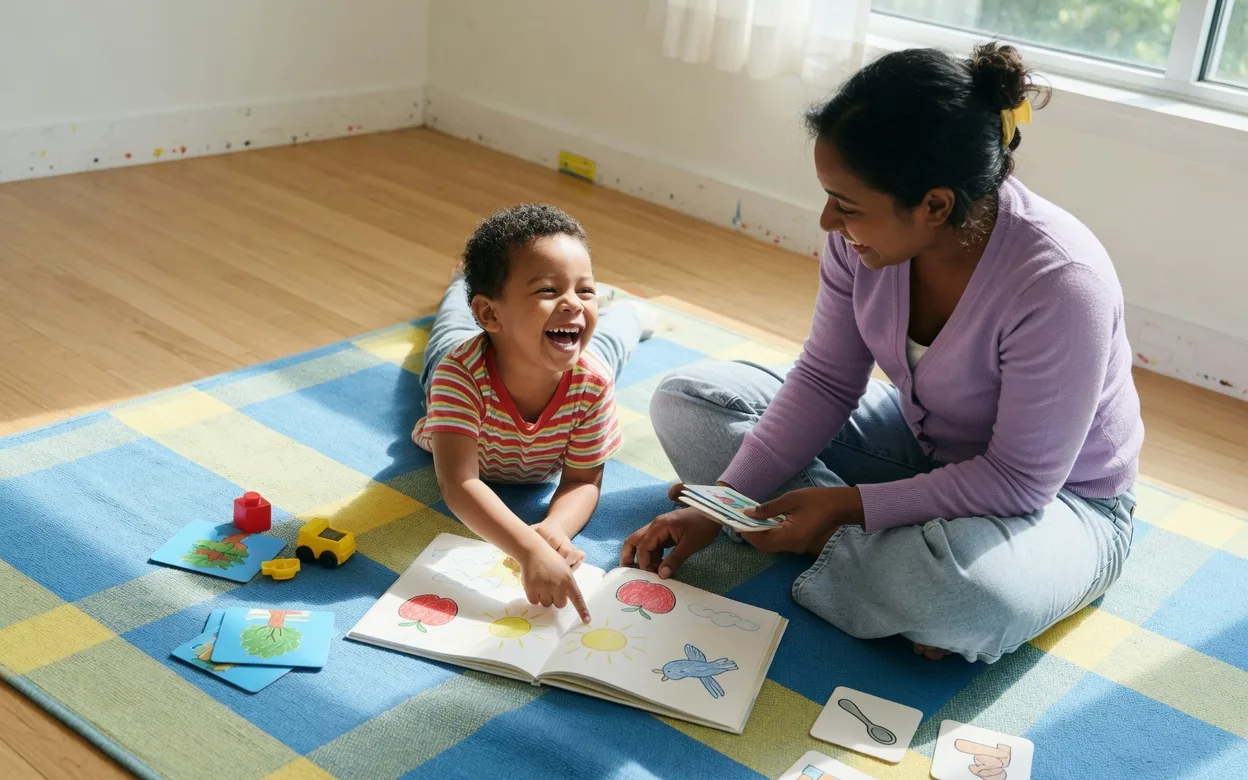
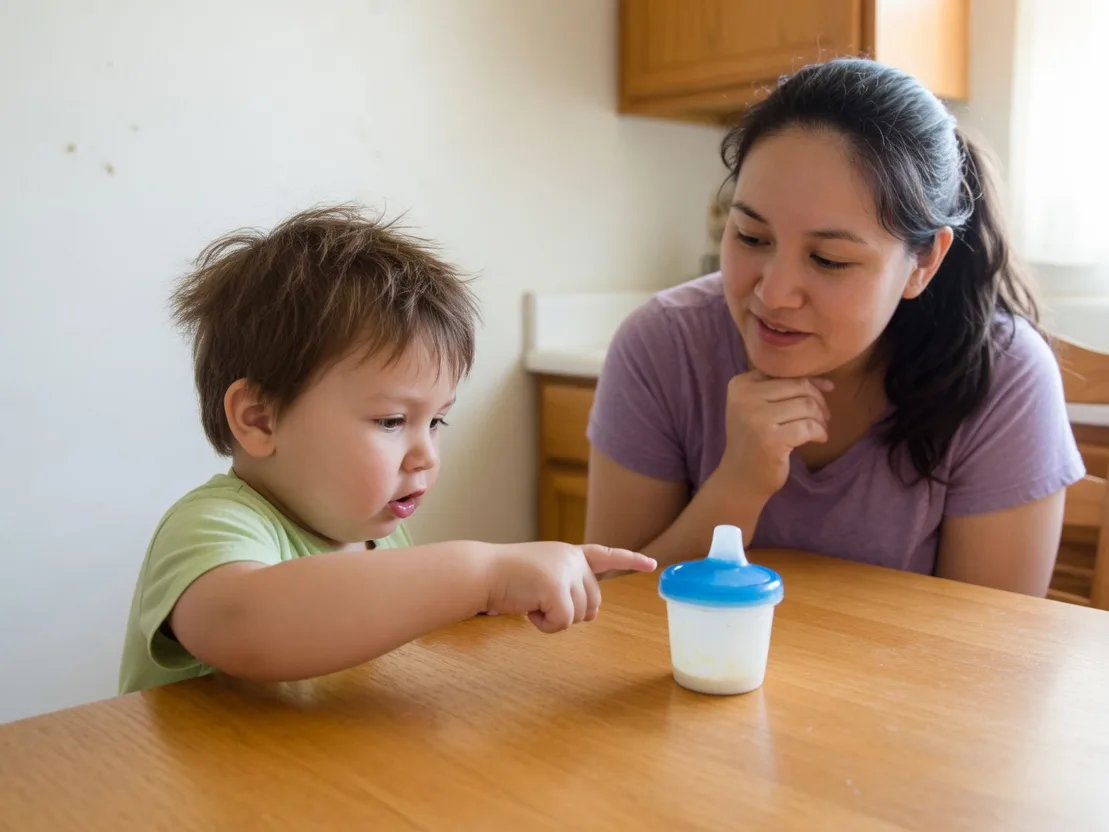
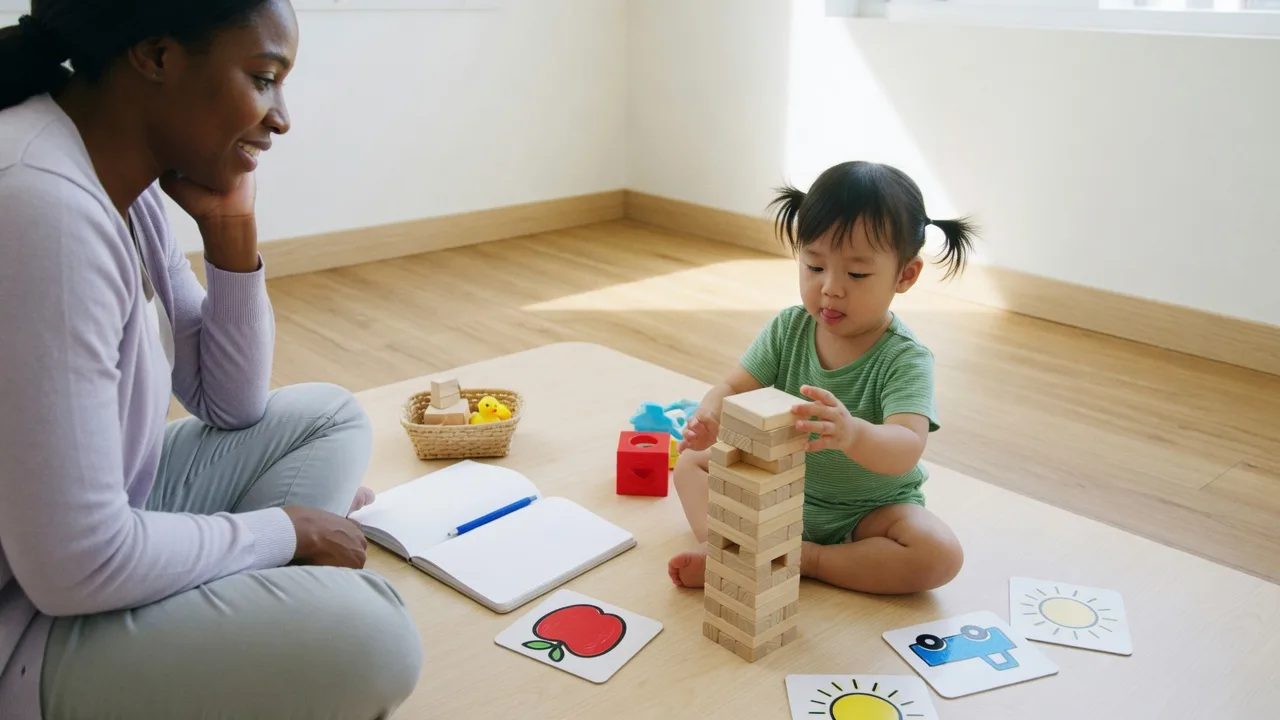
Children develop speech at their own individual tempo, but when a two-year-old relies solely on pointing or pulling hands rather than using spoken words, gentle early support can make an enormous difference. Led by our founder Ines Halvorsen, our early language sessions use playful, child-led activities around low oak tables and floor mats. We do not test children at desks or demand repetitive drills. Instead, we follow what captures their imagination, whether that means rolling a toy train, sorting animal cards, or stacking building blocks. By pairing engaging play with targeted language models, we help toddlers connect sounds to meaningful daily desires. Parents participate actively in every session, learning how to create low-pressure conversational routines at home that encourage two-word combinations and everyday vocabulary.
Speech sounds and early literacy
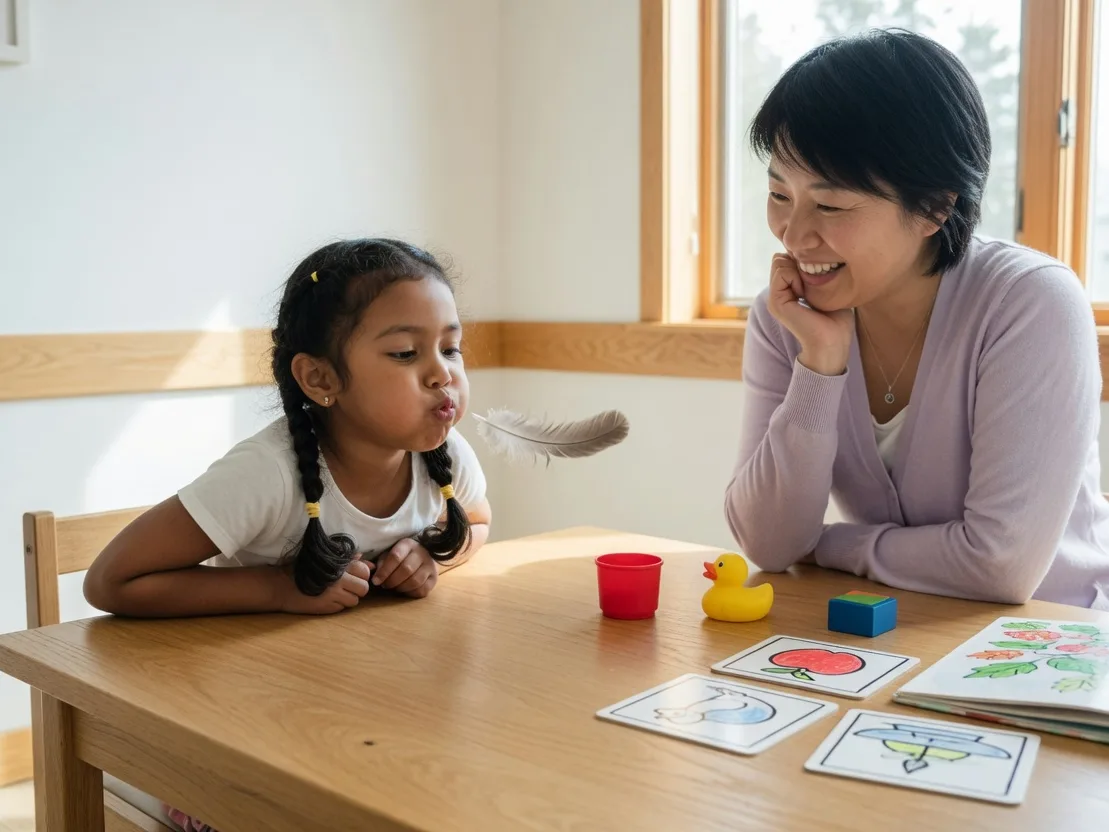
Many young children know exactly what they wish to say, but certain consonant sounds remain tangled or unclear, making it difficult for listeners outside the home to understand them. Speech and language therapist Noor Haddad specializes in speech sound clarity and its direct connection to early reading and phonological awareness. In our sessions, children explore how sounds feel in the mouth, using tactile games, feathers, and gentle mirror observation to master tricky sounds. We systematically address substitutions, omissions, and articulation patterns, ensuring children gain intelligibility before classroom reading begins. Because clear speech sounds form the bedrock of early literacy, resolving these patterns early prevents frustration at school and helps children approach books, phonics, and classroom discussions with quiet confidence.
Stammering and picture-based communication
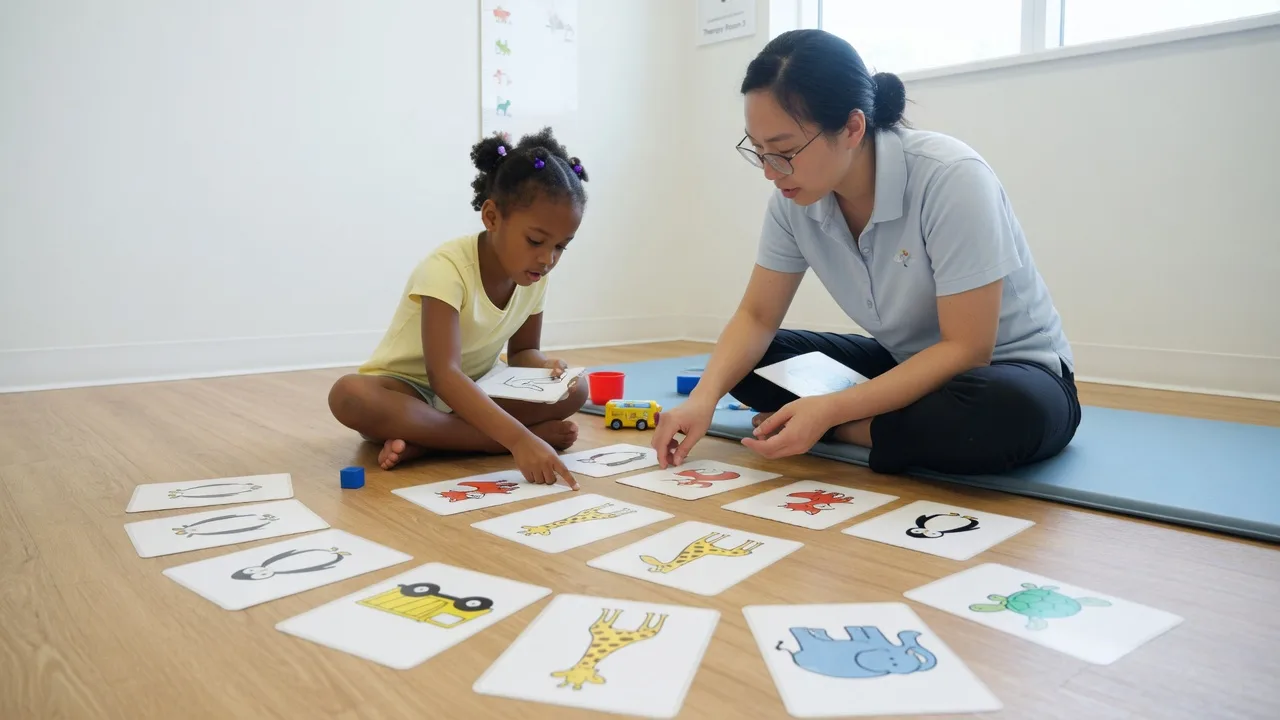
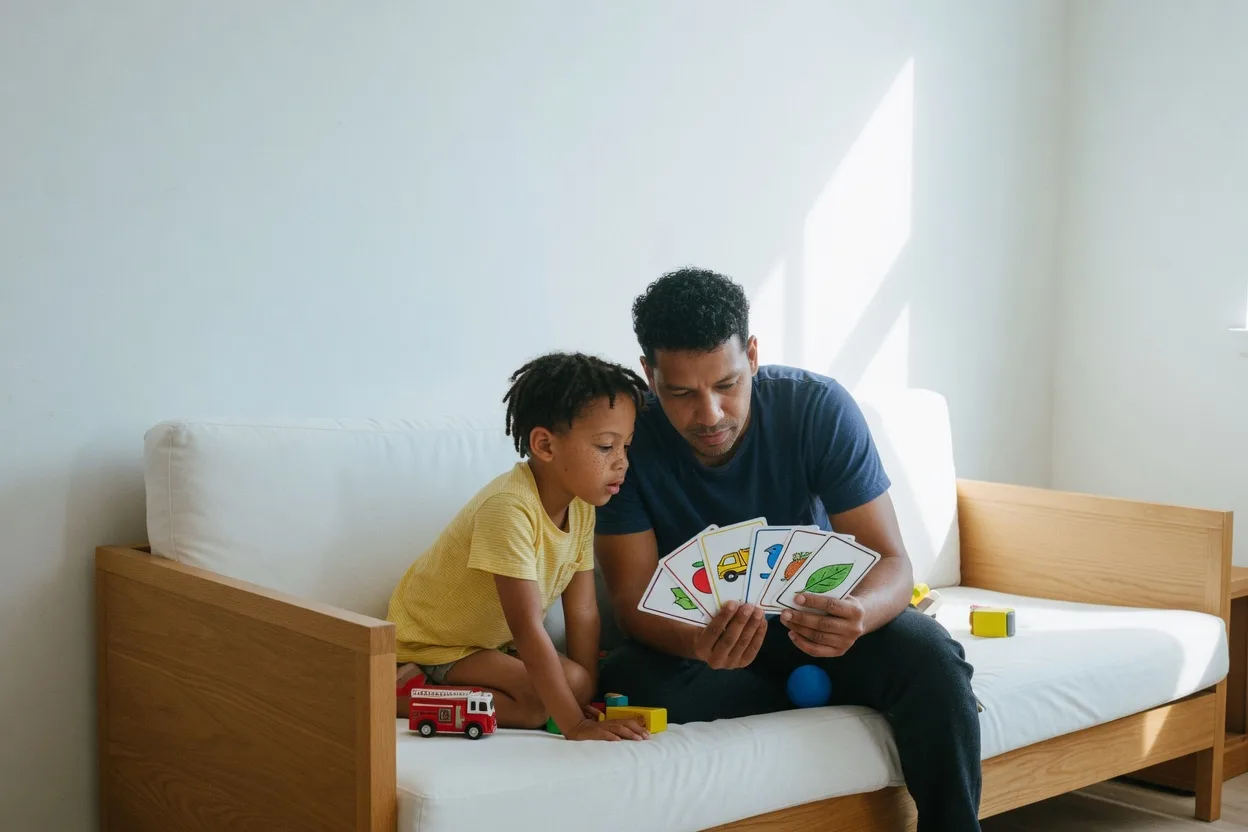
When a child experiences moments of stammering, our aim is to reduce tension, foster easy communication, and preserve their natural joy in speaking. We help families understand how to soften communication pressures at home and school, providing children with calming strategies when words feel momentarily stuck. For autistic children and youngsters with limited verbal speech, therapist Lukas Brandt introduces augmentative and alternative communication (AAC), including structured picture-based systems. We introduce clear picture cards that allow children to make choices, share spontaneous comments, and express feelings without frustration. By establishing a reliable functional communication method, children gain practical agency in their everyday environments, which frequently opens new pathways toward verbal expression while immediately reducing communication-related distress.
Signs worth a call and what parents do in the room
Parents often wonder whether to seek advice or wait. It is worth scheduling a free fifteen-minute call with our coordinator Claire Dumont if your two-year-old has fewer than twenty words, if your child is understood by family but struggles at nursery, or if speaking causes visible distress or physical tension. When you bring your child to our Westmere clinic, you will never be asked to wait outside in a corridor. Parents sit comfortably in the room on our sofa or directly on the mat beside their child. You observe every interaction, see exactly how the therapist prompts each sound, and discover how ordinary playtime can become rich language practice without adding stress to your family routine.
Book an assessment
A free 15-minute call comes first. New clients are seen within 2 weeks of that call.