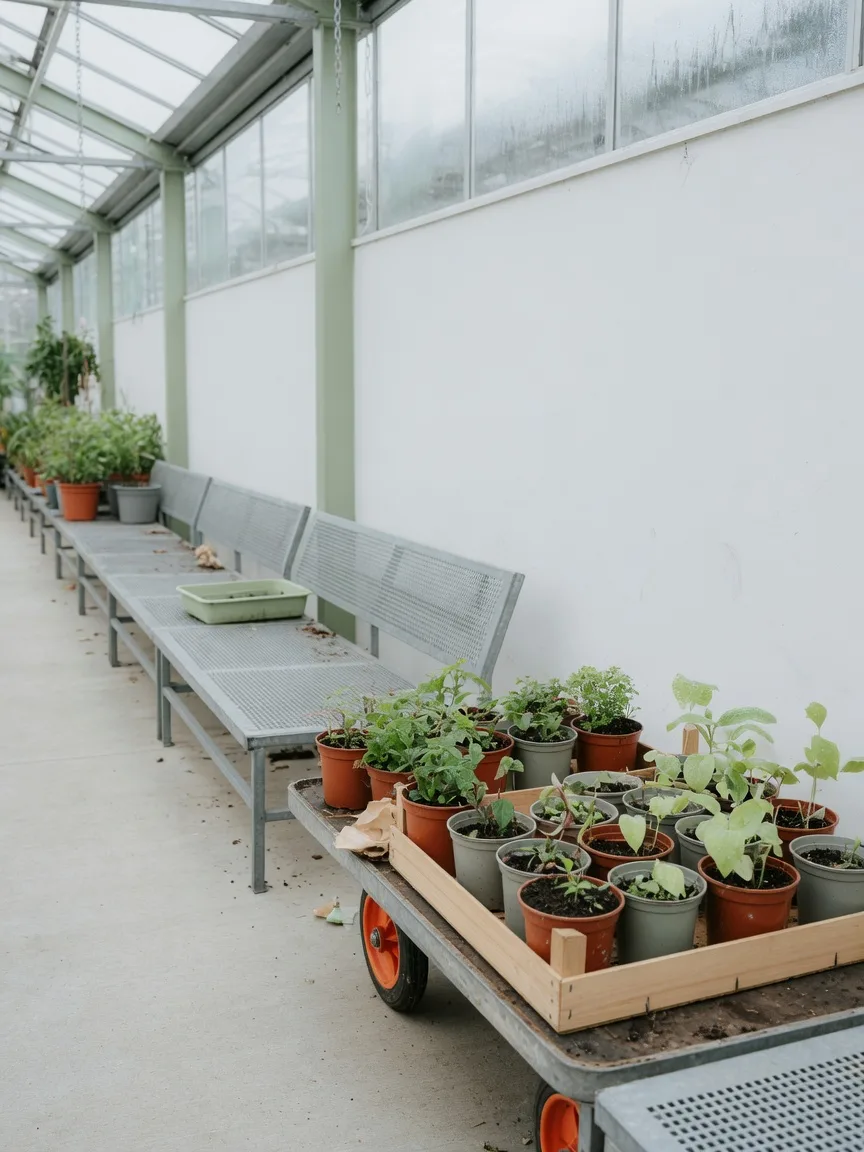

Caring for a plant continues long after you carry it home from our benches. We provide clear seasonal guidance and a direct follow-up so you know how the plant is settling in its new place.
30-day callSaturday clinic
Spring
Feed lightly, repot anything that has filled its pot, move indoor plants back from cold glass.
March – MayFeed lightlyRepot
Summer
Water early, check pots weekly, shade tender foliage at midday.
June – AugustWater earlyShade at midday
Autumn
Plant shrubs and perennials while the soil is still warm; cut back and mulch.
September – NovemberPlant shrubsMulch
Winter
Water less, keep leaves dust-free, move frost-tender pots to shelter.
December – FebruaryWater lessShelter pots
Seasonal care across spring and summer
In spring, inspect garden borders, remove old winter mulch, and cut back shrubs like Panicle hydrangea ‘Limelight’ to clean lower buds before new growth appears. As summer heat arrives, water plants thoroughly in early morning directly at soil level to prevent fungal issues on leaves. Potted lavender and patio shrubs require weekly soaking, while indoor ferns appreciate daily misting or placement on pebble trays filled with water to maintain ambient humidity.
Autumn care and winter protection
Autumn is the ideal season to plant hardy perennials, ferns, and winter heather while garden soil remains warm from summer sun. Reduce indoor watering as daylight hours contract and central heating is turned on. Before severe winter frosts set in, move outdoor terracotta pots against sheltered walls or lift them onto pot feet so drainage holes do not freeze solid, preventing waterlogged roots during persistent wet spells.
How does the thirty-day follow-up call work?
Following every garden planting visit by Lukas Brandt and our crew, we record your planting scheme in our nursery records. Exactly thirty days later, we contact you by phone or email to check on each specimen’s progress. We inquire about watering routines, leaf colour, and new shoot development, offering immediate practical advice if any plant shows signs of transplant stress or slow settling.
What should I do if a plant fails to settle?
Plants are living organisms subject to weather and garden conditions, so we do not promise a set result. If a specimen shows distress during its first thirty days, take a clear photo or bring a foliage cutting to our free Saturday plant clinic between 10:00 and 13:00. Amara Okoye will assess the problem and suggest corrective care. Unused non-plant goods can be returned within 14 days with original receipt.