WEEK
Ride-along placements
Ride-Along Placements
Frontline clinical placements form the core of emergency paramedic education at Kyukyu College. Over two years, every diploma candidate completes 480 hours on shift integrated directly into regional ambulance crews.
A placement week
How is a ride-along placement week structured?
A typical ride-along placement week follows a strict five-stop schedule designed to balance clinical intensity with structured reflection. On Monday, students work a twelve-hour day shift from 07:00 to 19:00, followed by a second twelve-hour day shift on Tuesday from 07:00 to 19:00. Wednesday is an assigned rest day dedicated to resting and drafting a mandatory reflective log. On Thursday, students complete a twelve-hour night shift running from 19:00 to 07:00. The week concludes on Friday morning with a two-hour clinical debrief from 10:00 to 12:00 alongside their dedicated college tutor.
- Monday07:00–19:00Day shift. Vehicle checks, kit restocking and calls beside your paramedic mentor.
- Tuesday07:00–19:00Day shift. More dispatches, patient handovers at the emergency department, treatment charts.
- WednesdayRest dayRecover, then write your reflective log: procedures done, hard calls reviewed.
- Thursday19:00–07:00Night shift. Twelve hours of out-of-hours trauma and urgent calls until morning handover.
- Friday10:00–12:00Debrief with your tutor at the college: placement cases and treatment decisions.

01
Before
The shift
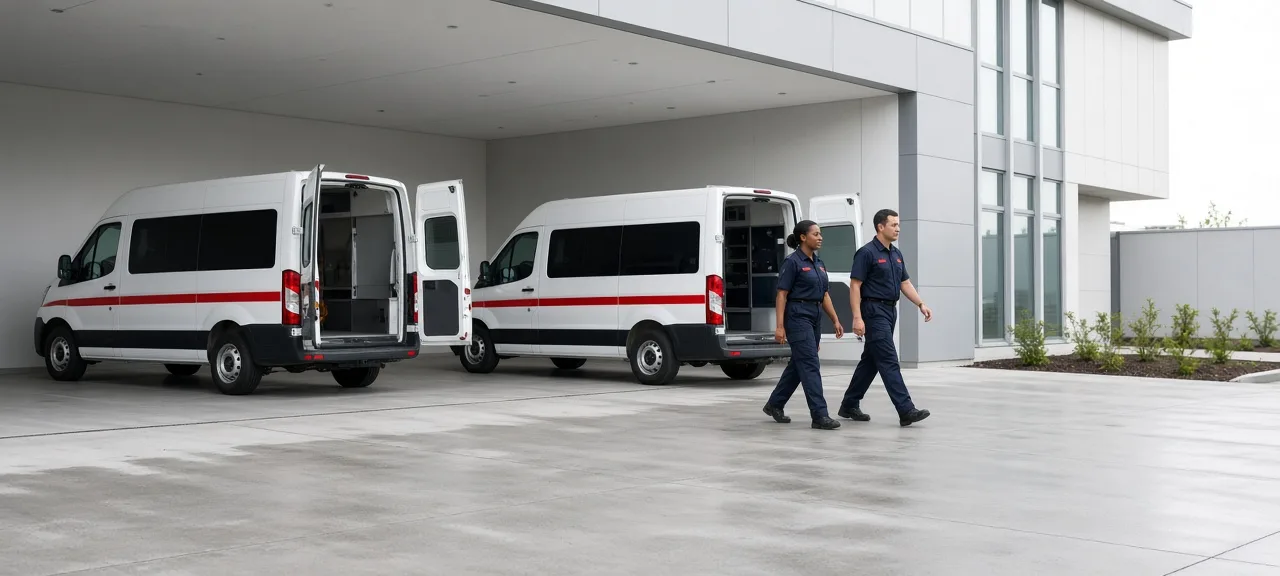
Thirty minutes before sign-on
Shift preparation begins thirty minutes prior to sign-on at the station bay.
Arrive 30 minutes before sign-on
02
On
Shift
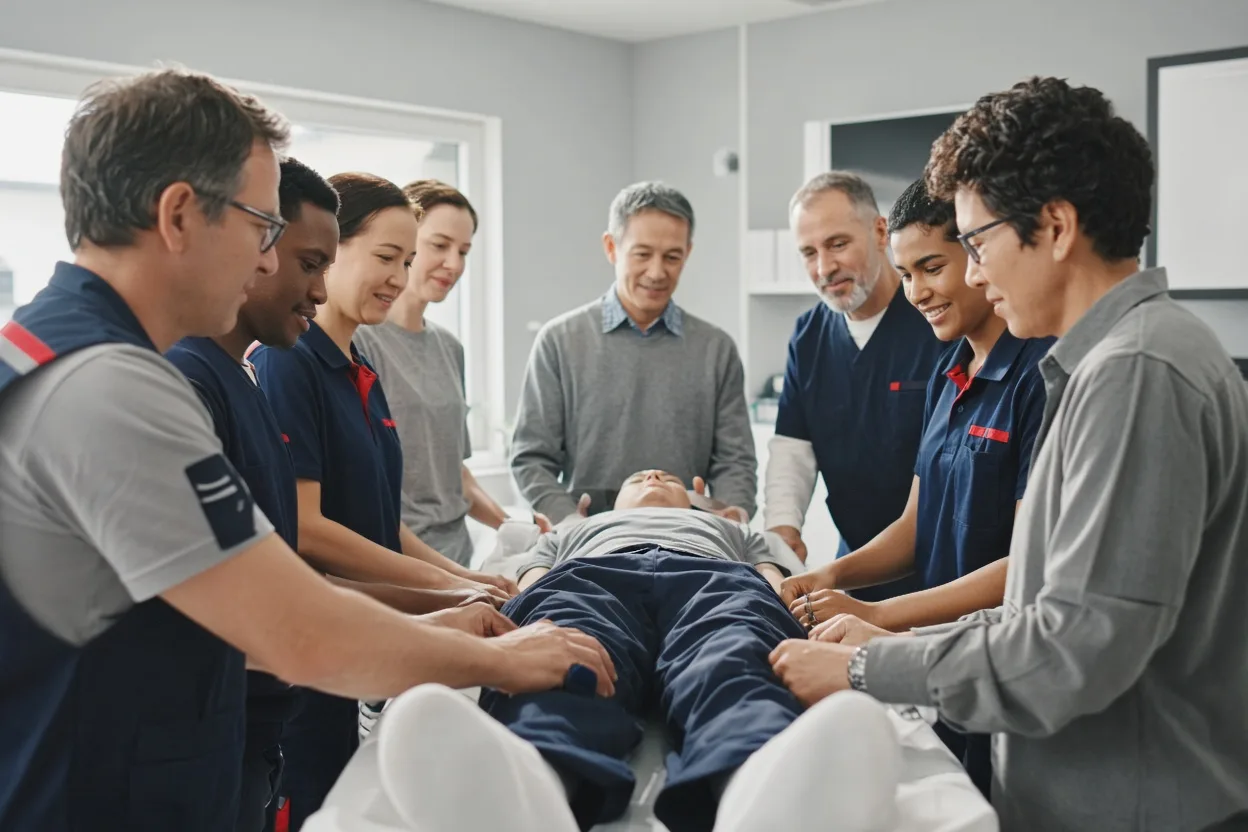
Real calls, supervised
Students inspect jump bags, verify defibrillator battery levels, and cross-check oxygen cylinders with their mentor crew.
Observe first, then perform under supervision
03
After
The shift
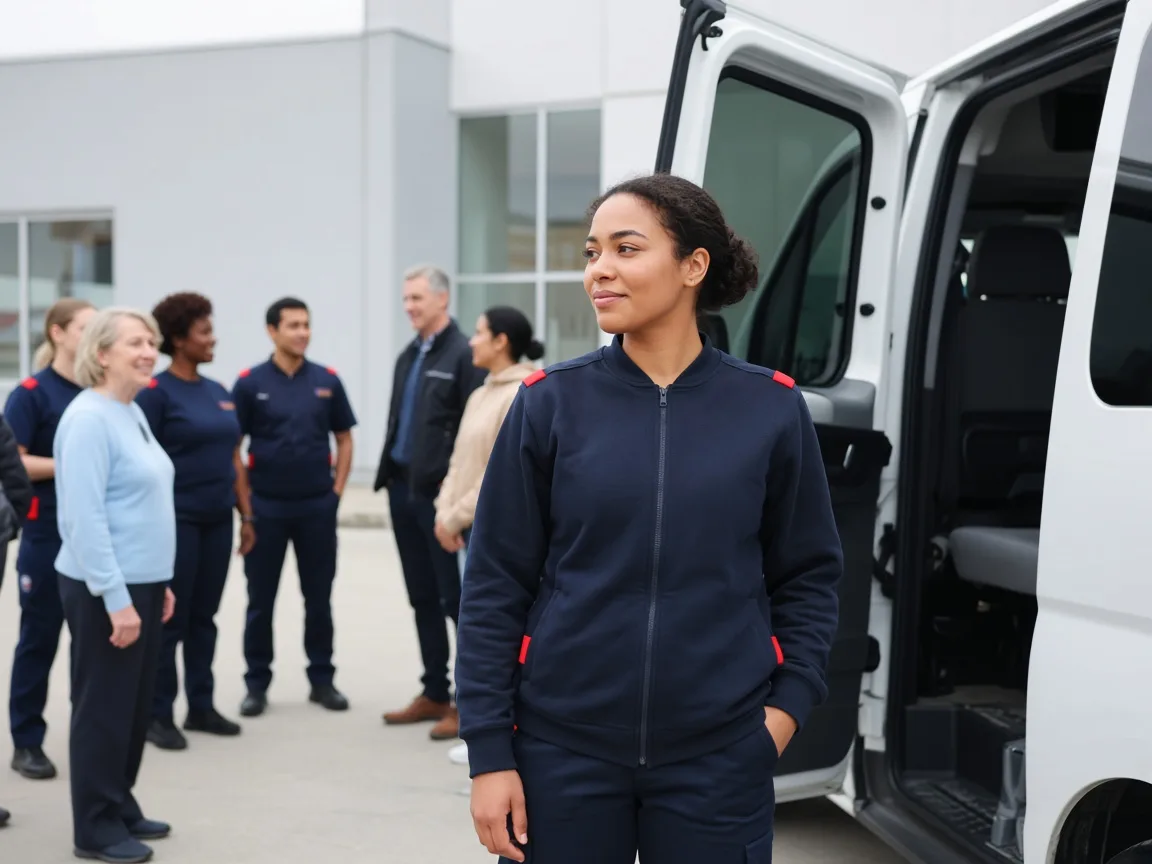
Debrief, log, review
During the shift, students participate in real pre-hospital calls, managing stretchers, monitoring vitals, and administering medications under direct paramedic supervision. Following each incident, the crew discusses clinical decisions and patient handovers at the hospital receiving dock. After returning to station, students log every procedure and submit their case notes for review by Owen Castellanos, our ride-along placement manager.
Friday 10:00–12:00 debrief with your tutor
Kit and supplement
What kit is required and what does the supplement fee cover?
- 01Uniform. College uniform with high-visibility reflective outerwear.
- 02Boots. Heavy-duty safety boots.
- 03Shears. Personal trauma shears.
- 04Supplement. $640 per year covers insurance, uniform and vaccinations.
All students must deploy on shift in approved college uniform, including high-visibility reflective outerwear, heavy-duty safety boots, and personal trauma shears. Kyukyu College assesses an annual ride-along placement supplement fee of $640. This mandatory charge directly covers professional indemnity insurance, standardized uniform issuance, and all required clinical occupational vaccinations. Students receive their kit inspection clearance before entering active service, ensuring full compliance with regional station health protocols. Tutors verify all personal protective equipment during the preparatory skills lab term prior to first station deployment.
Next