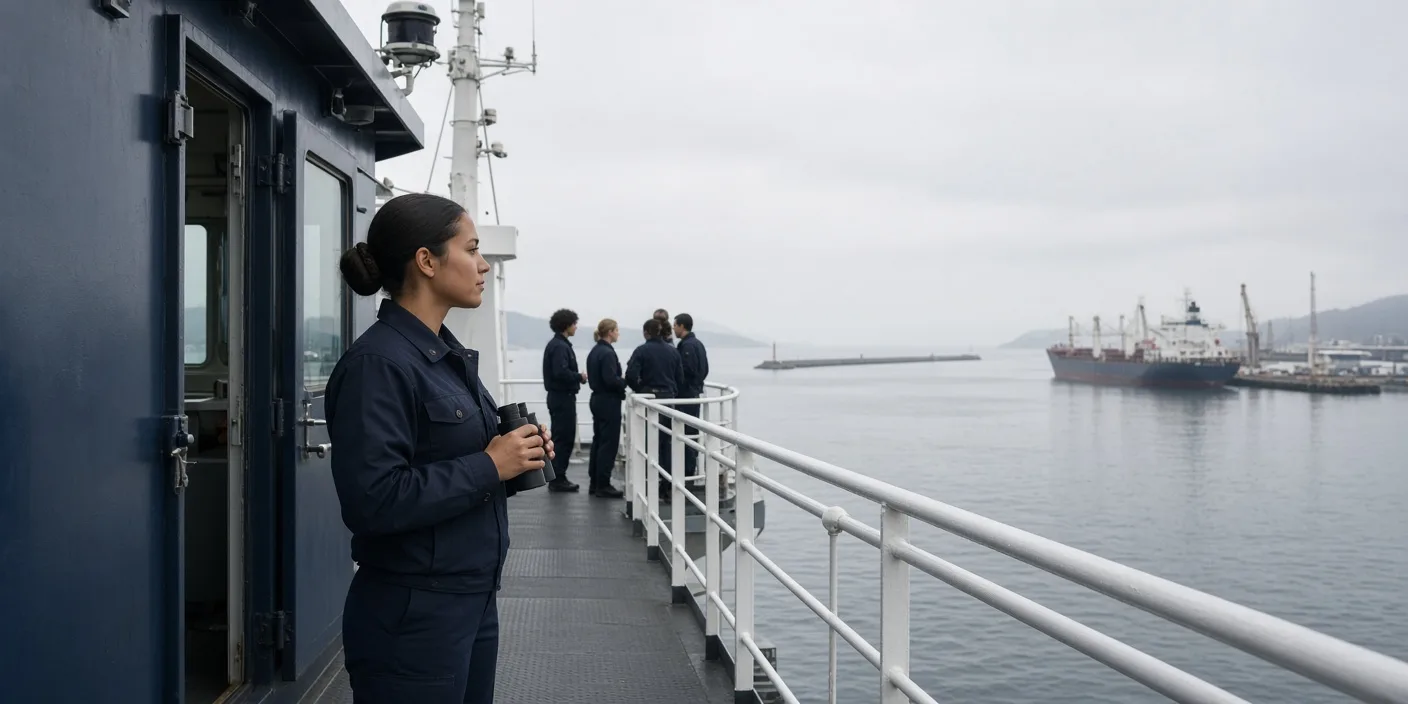
Before the licence, the harbour.
Twelve weeks at Pier 3 take a cadet from the first bearing on a paper chart to a berth confirmed in writing. Eighteen cadets join each intake, in January, April and September, before a licence.
THE COLLEGE
Since 1987
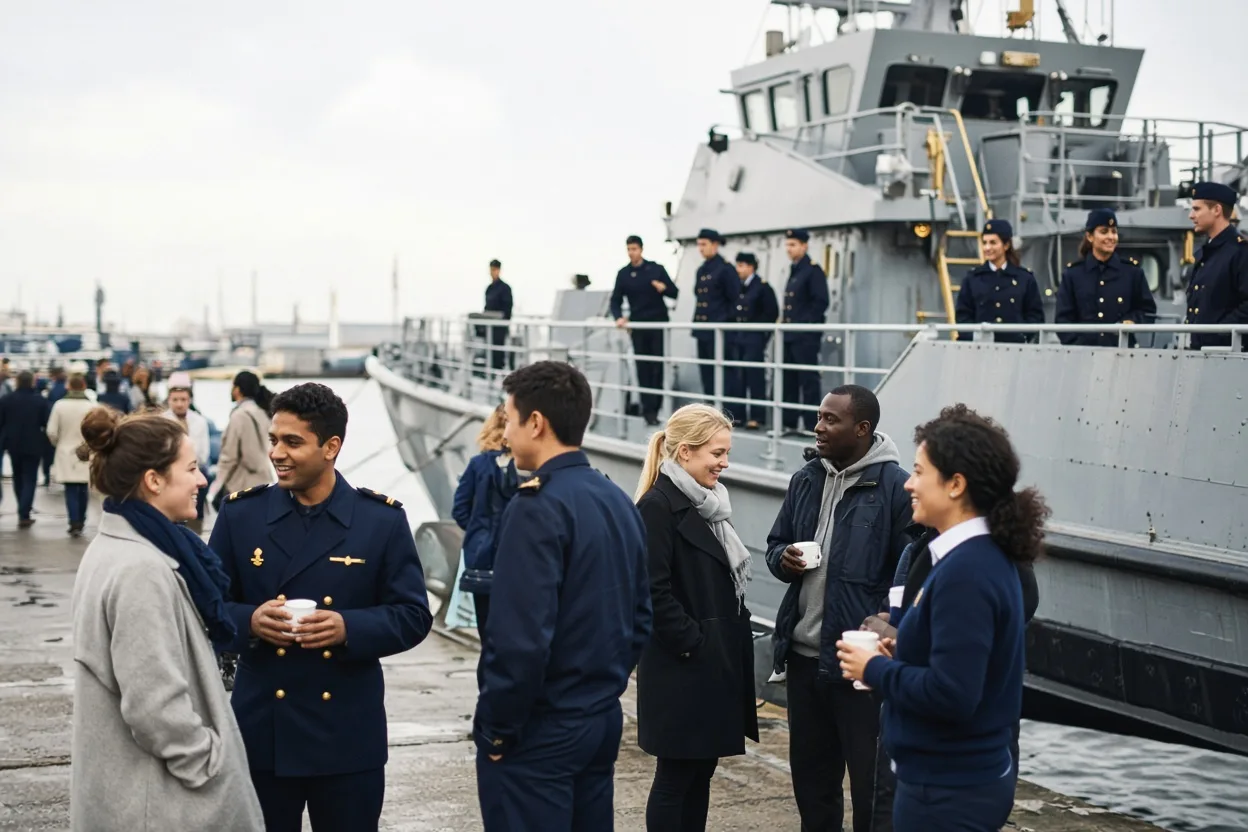
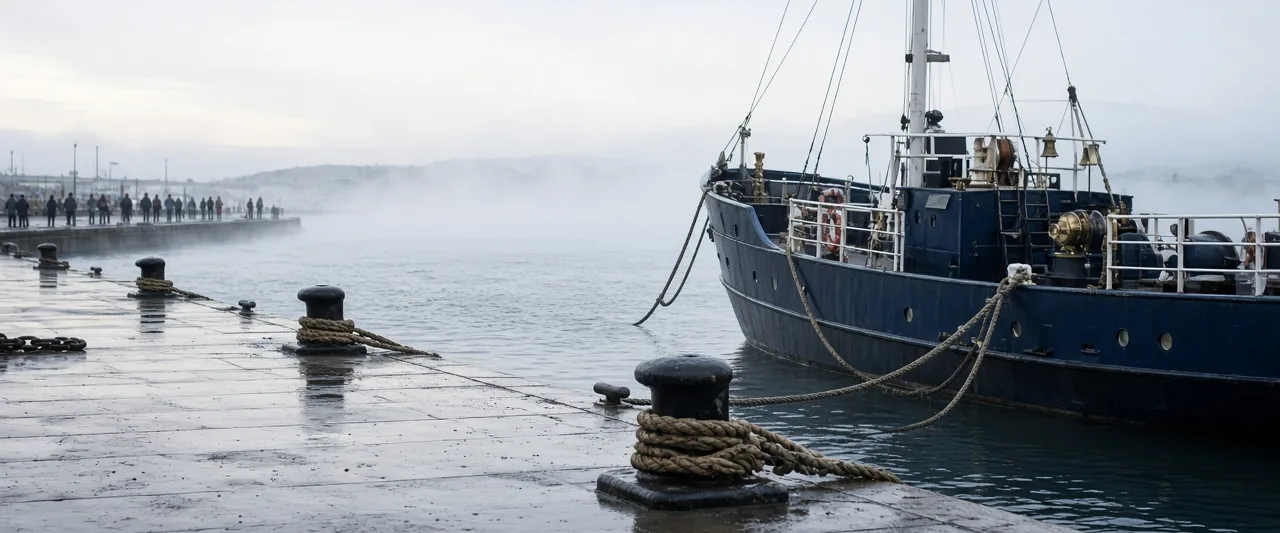
Hatoba College was founded in 1987 on Pier 3, at 4 Quay Road, Port Ellery. It opened as a maritime training college and it has stayed on that quay. From the first intake the harbour was the classroom: paper charts, lines and engines were taught in sight of cranes, tugs and moored vessels. The same idea sets the timetable now. Most cadets begin with Harbour Foundation, twelve weeks, before a rating or deck-officer preparation.
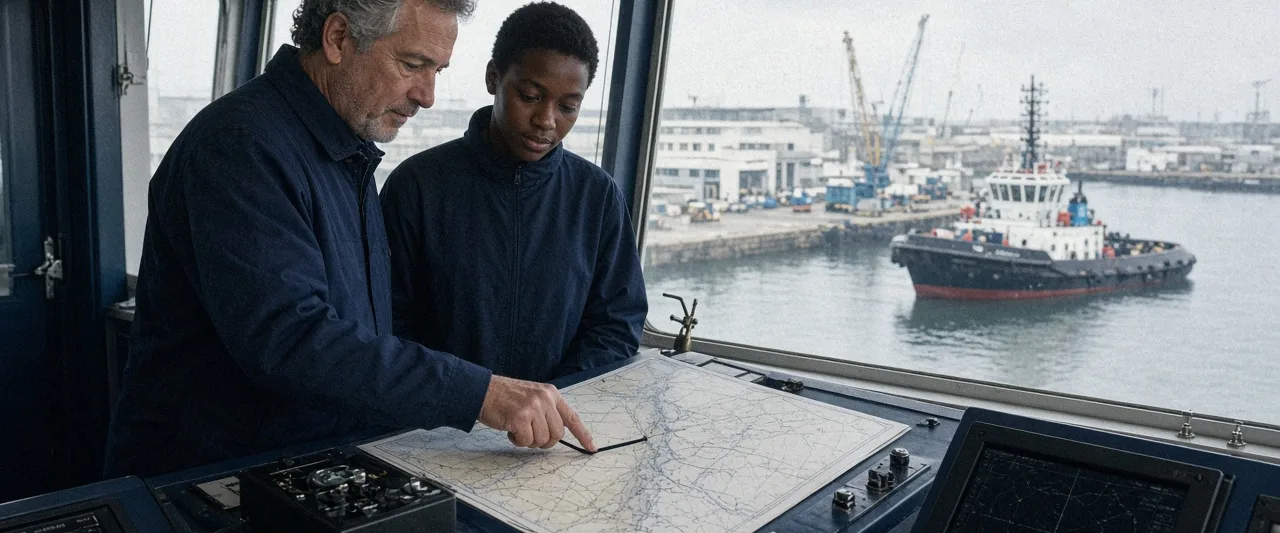
The classroom is the harbour itself. In shore school an instructor and a cadet stand at the training-bridge console and trace a bearing on a paper chart, with the quay in the windows behind them. The middle weeks move to the simulator bridge, then to harbour watch, then to tug and pilot runs in week 11. After the week-12 assessment, a training berth may be a coastal ferry, a harbour tug or a short-sea cargo vessel.
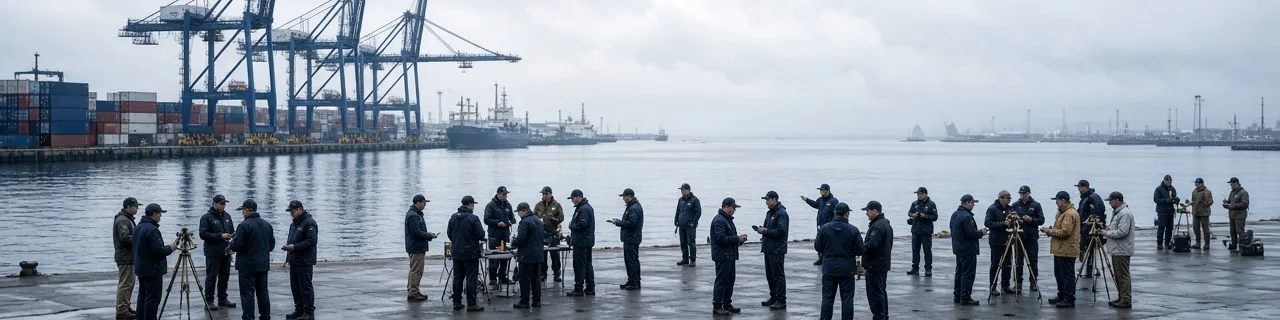
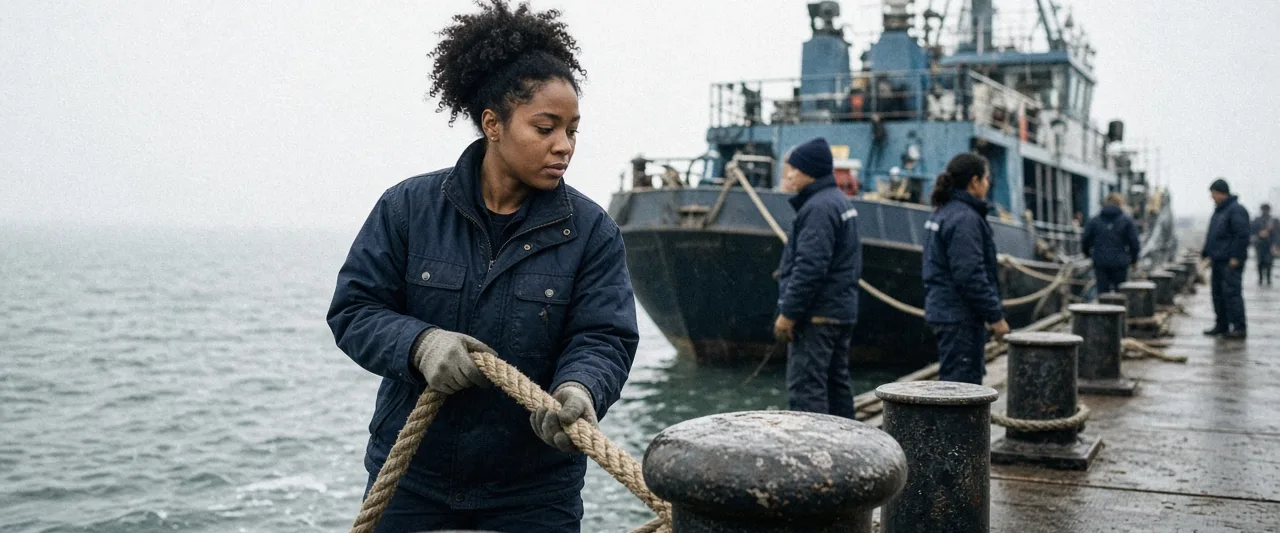
A cadet’s day begins at 07:30 with muster on the quay. Morning may be chart work or a watch at the berth. At 12:00 the group sits a simulator debrief and each cadet explains the decision just made. At 16:00 there is line handling with the tug crew, ropes and fenders on the quay. The office is open Monday to Friday, 08:30 to 17:00; the first Saturday of the month is an open quay, 10:00 to 13:00.
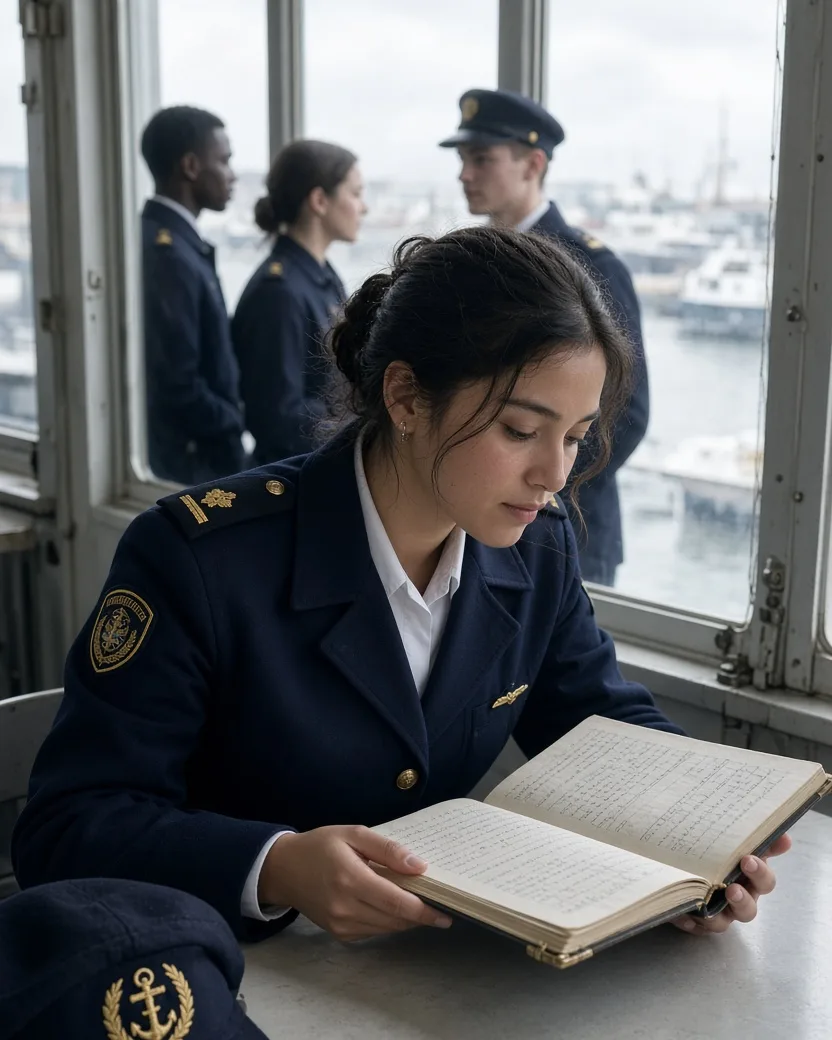
A cadet logs the morning watch at the end of muster, Pier 3.
THE COURSE
Weeks 1–12
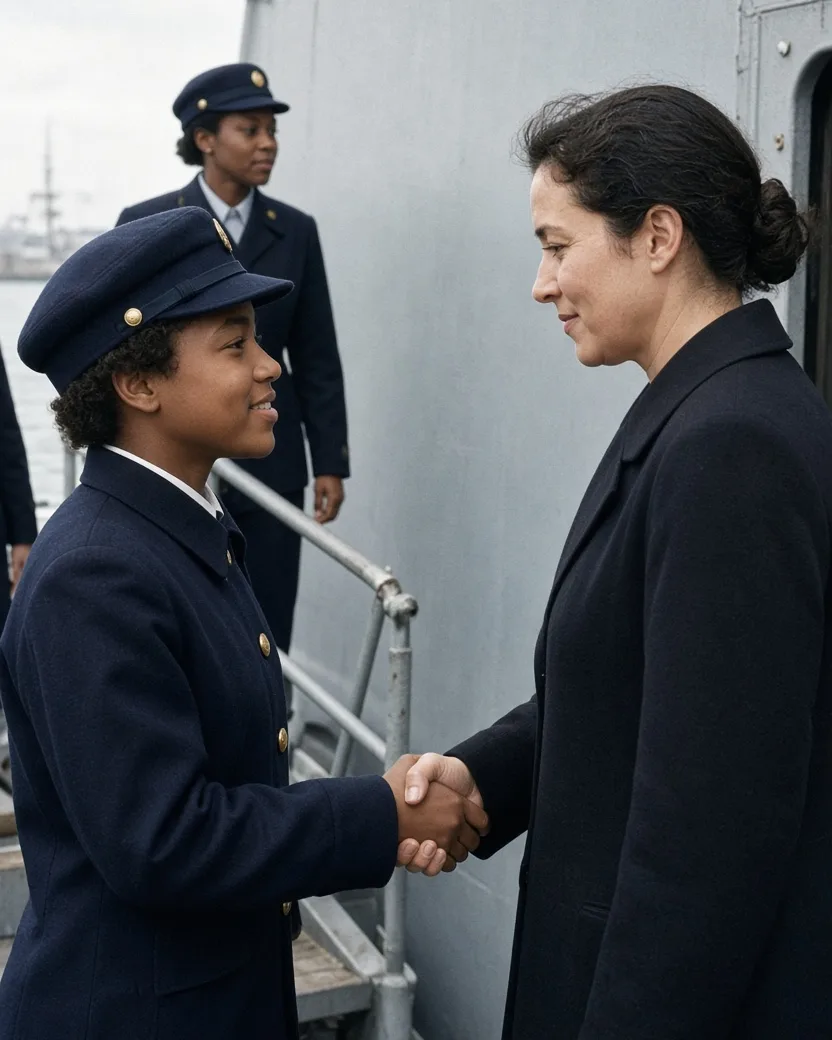
Berth confirmed
12 January 2027 Intake
26 March 2027 Assessment
2 April 2027 Berth confirmed
A berth is confirmed in writing on the Friday of week 12, after the assessment. For the January 2027 intake the course opens on 12 January, the assessment is on 26 March, and the written confirmation is dated 2 April.
12
weeks
18
cadets per intake
3
intakes a year
Harbour Foundation runs twelve weeks, with eighteen cadets in each of three intakes a year.
A DAY ON THE QUAY
07:30 to 16:00
The daily routine at Pier 3 keeps the same shape on a teaching day. Cadets muster on the quay at 07:30, sit a simulator debrief at 12:00, and handle lines with the tug crew at 16:00. The clock does not move. The week does: shore school, then the simulator, then harbour watch, then the tug.
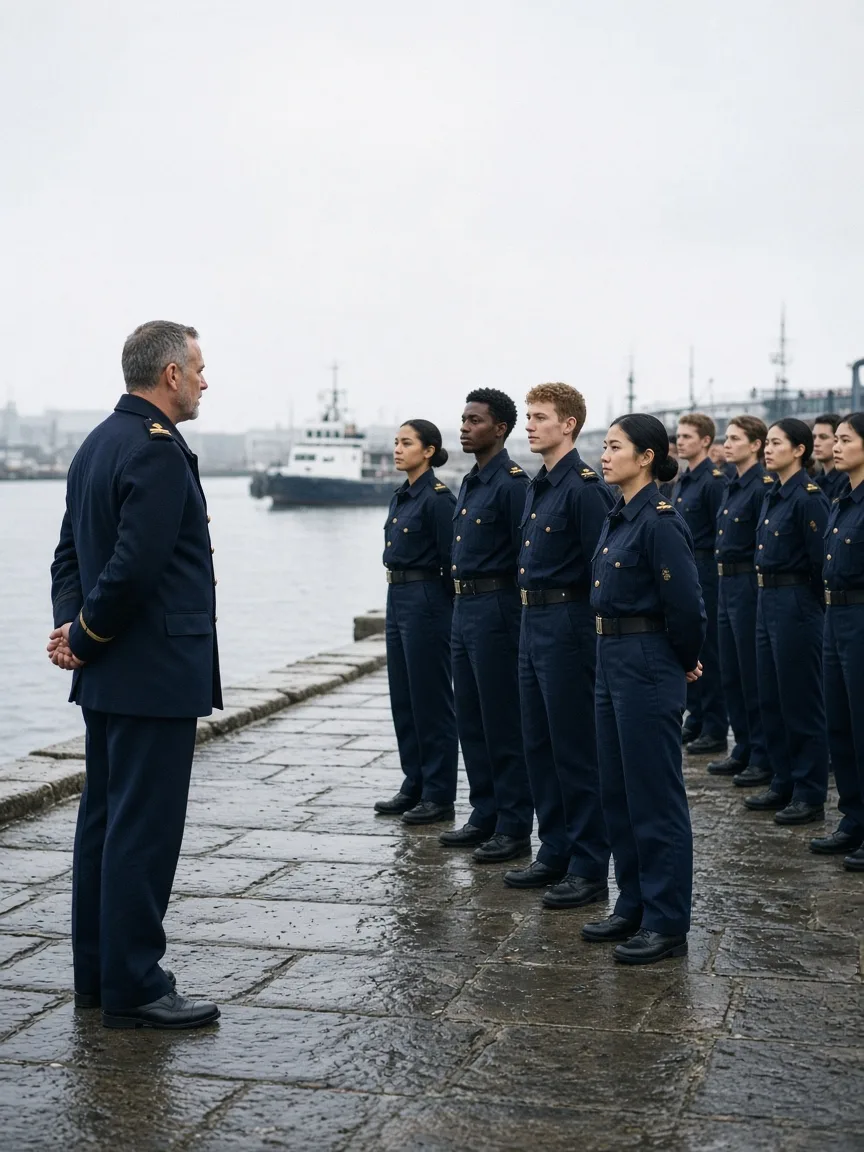
1
07:30
Muster on the quay. The cadets form a line with an instructor and hear the day’s task, whether chart work, a harbour watch or a tug run.
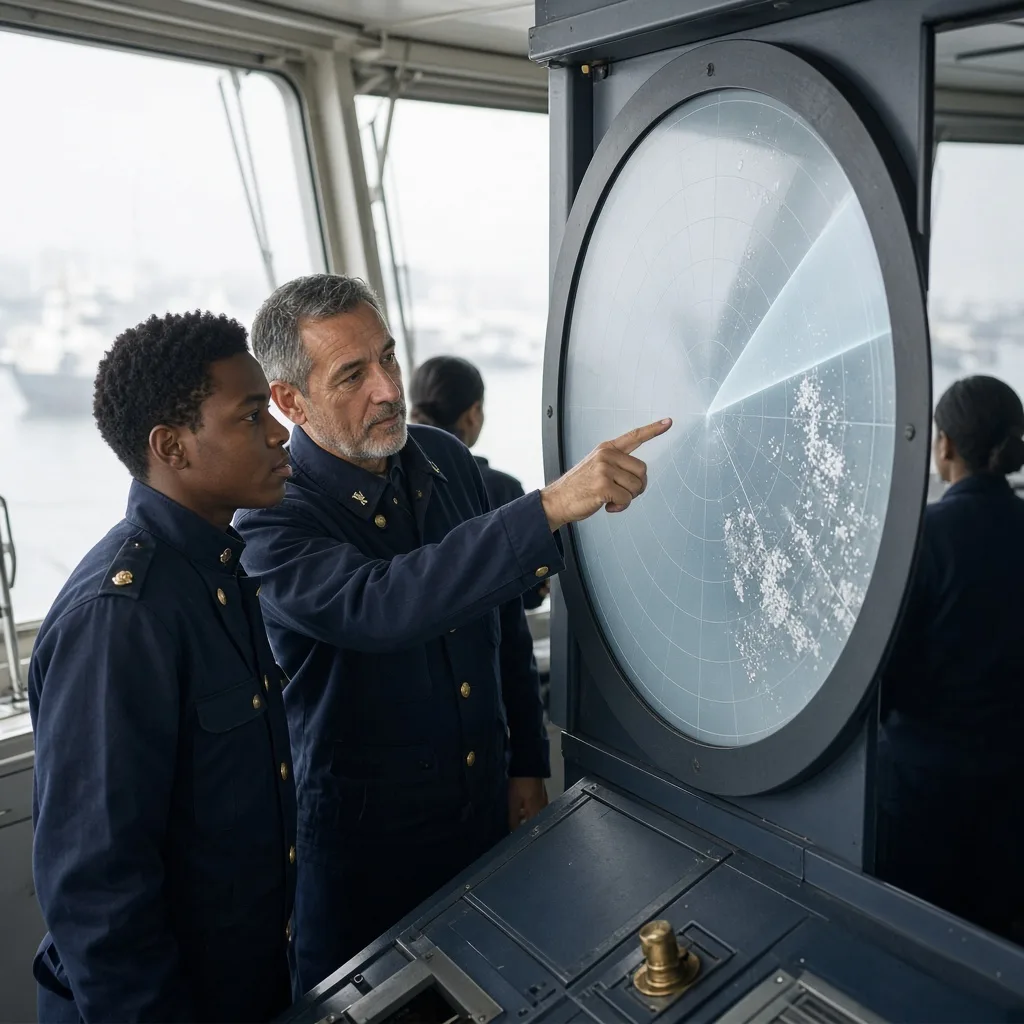
2
12:00
Simulator debrief. Each cadet explains the bearing, the traffic and the choice just made. The screen is only useful once that account is given.
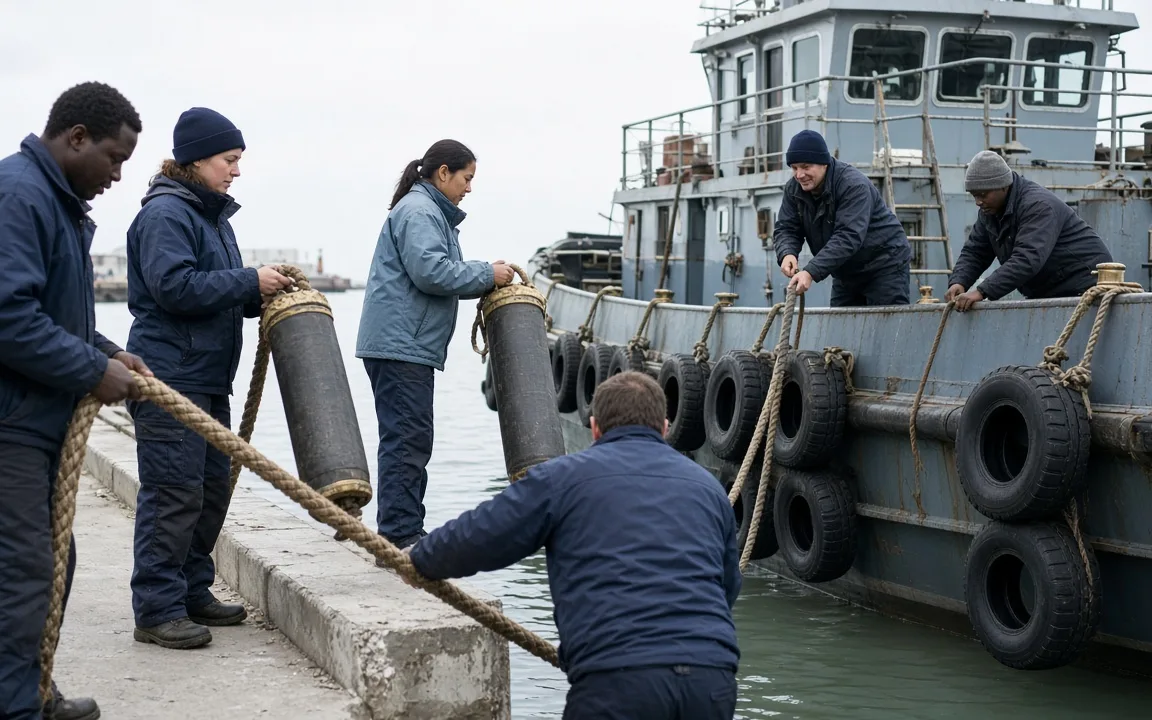
3
16:00
Line handling. Cadets work ropes and fenders with the tug crew. The hour is slow and physical, and gloves stay on until the line is secure.
PROGRAMMES & FEES
Fees
| Programme | Length | Next intake | Fee |
|---|---|---|---|
| Harbour Foundation | 12 weeks | 12 January 2027 | EUR 4,800 |
| Bridge Watch Rating | 8 weeks | 12 January 2027 | EUR 3,600 |
| Engine Room Rating | 10 weeks | 12 January 2027 | EUR 4,200 |
| Deck Officer Preparation | 24 weeks | 12 January 2027 | EUR 9,200 |
CADET STORIES
Three cadets
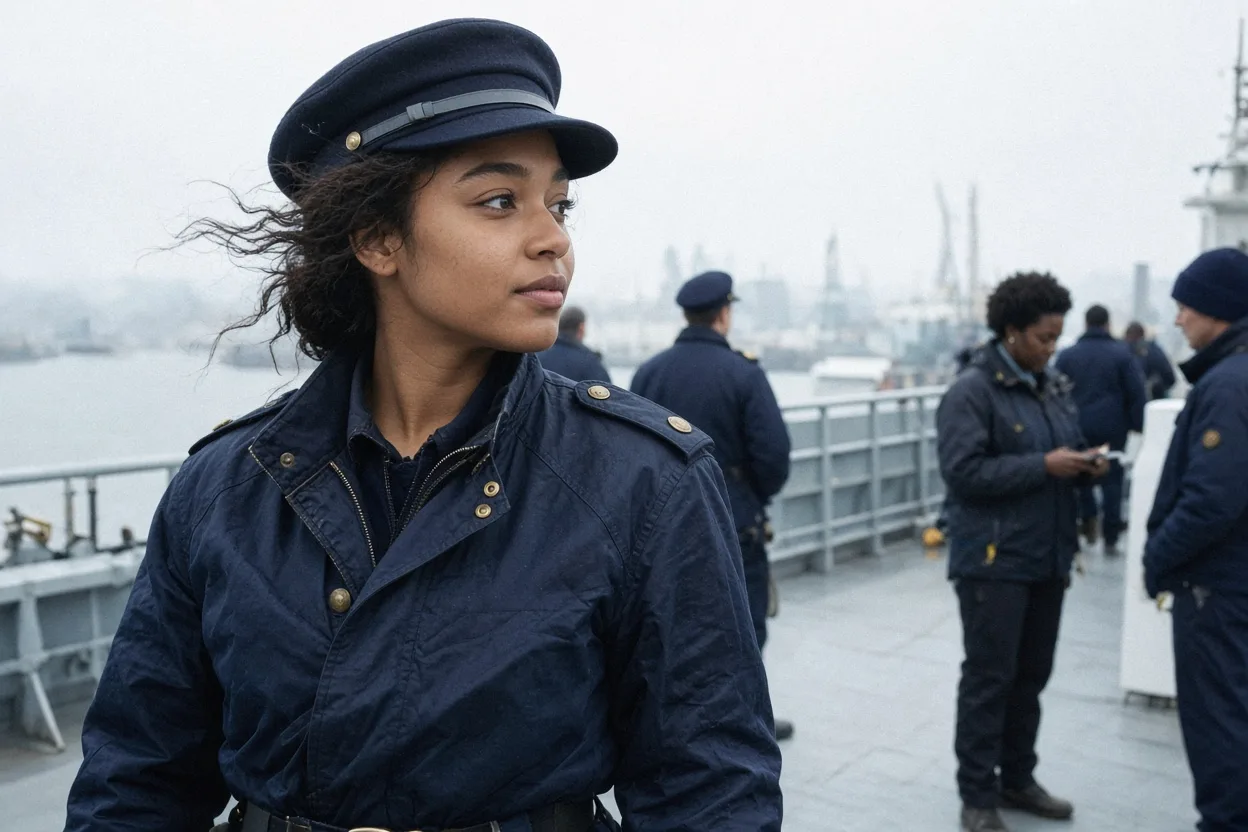
I came to Pier 3 for Harbour Foundation and left week 12 with a training berth on a coastal ferry. Charts in the morning, lines in the afternoon, and the written assessment on the Friday.
Noor Haddad, January 2026 cohort
Elias Varga, a career change from logistics, now on a harbour tug
JOURNAL
Latest