CREWS
Crews
Genba Diary is built for trade crews who gather at the hoist gate each morning and sign off their shift at day’s end. Here is how our daily structure supports concrete, fit-out, and roofing operations.

Crews
CREWS
Crews that start the day at a gate.
CREW 01
Concrete & frame
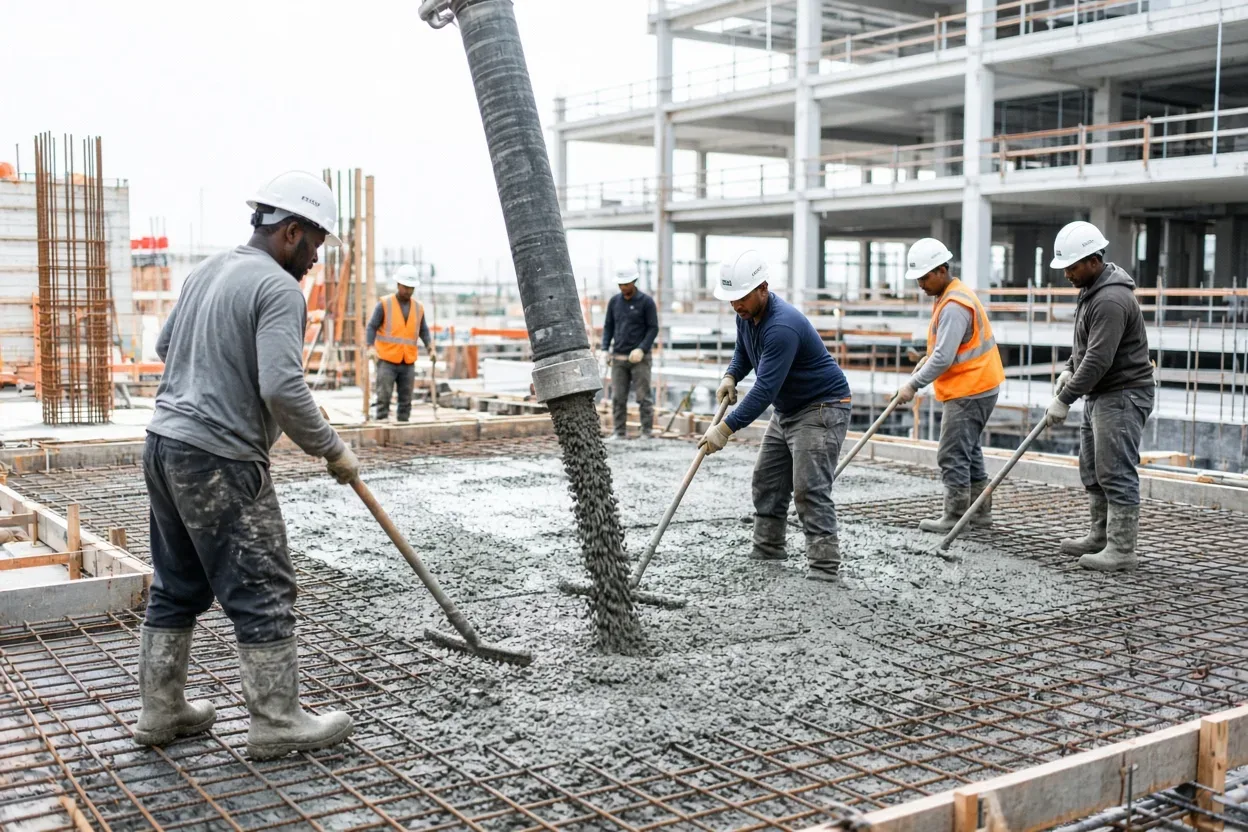
Pour sequences, pump arrivals, rebar checks and cube test logs recorded before the pour begins.
CREW 02
Fit-out & finishing
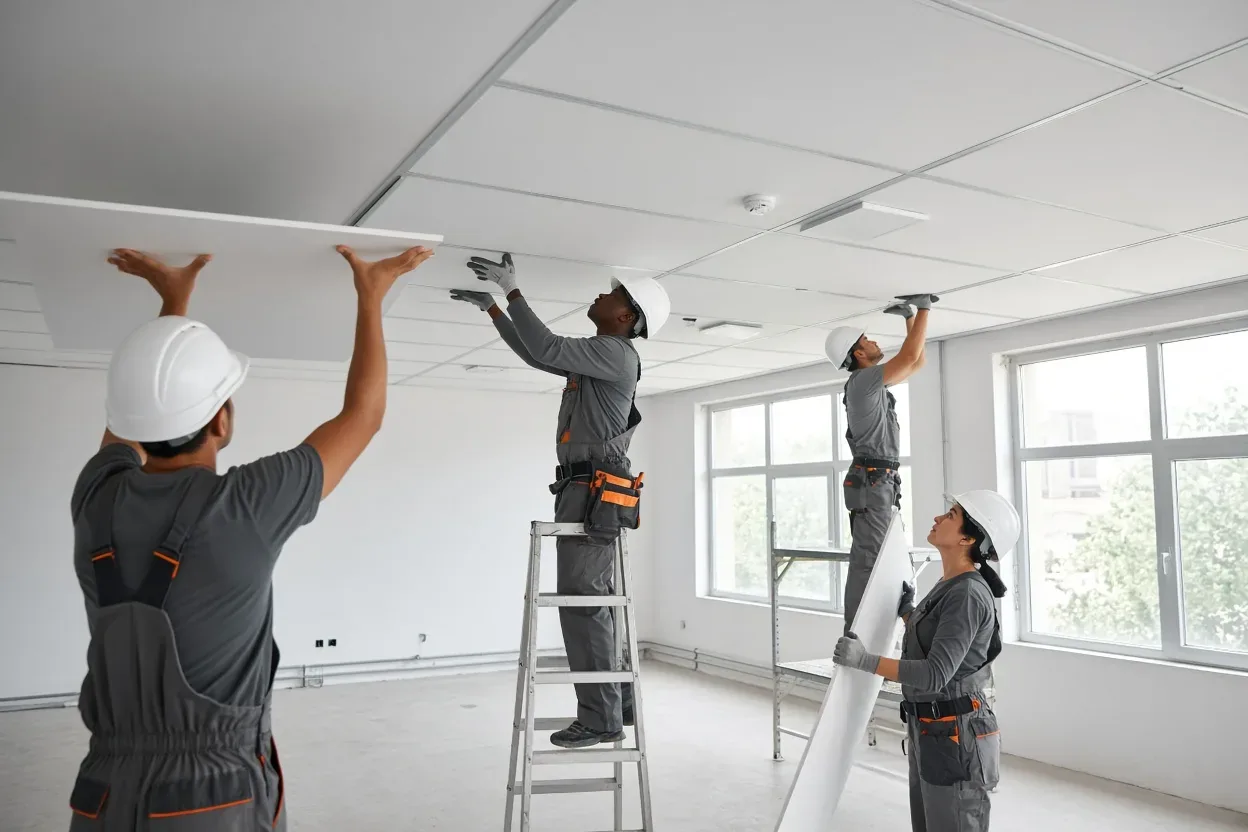
Room-by-room trade handovers, drylining sign-offs, ceiling closures and daily delivery checks.
CREW 03
Roofing & façade
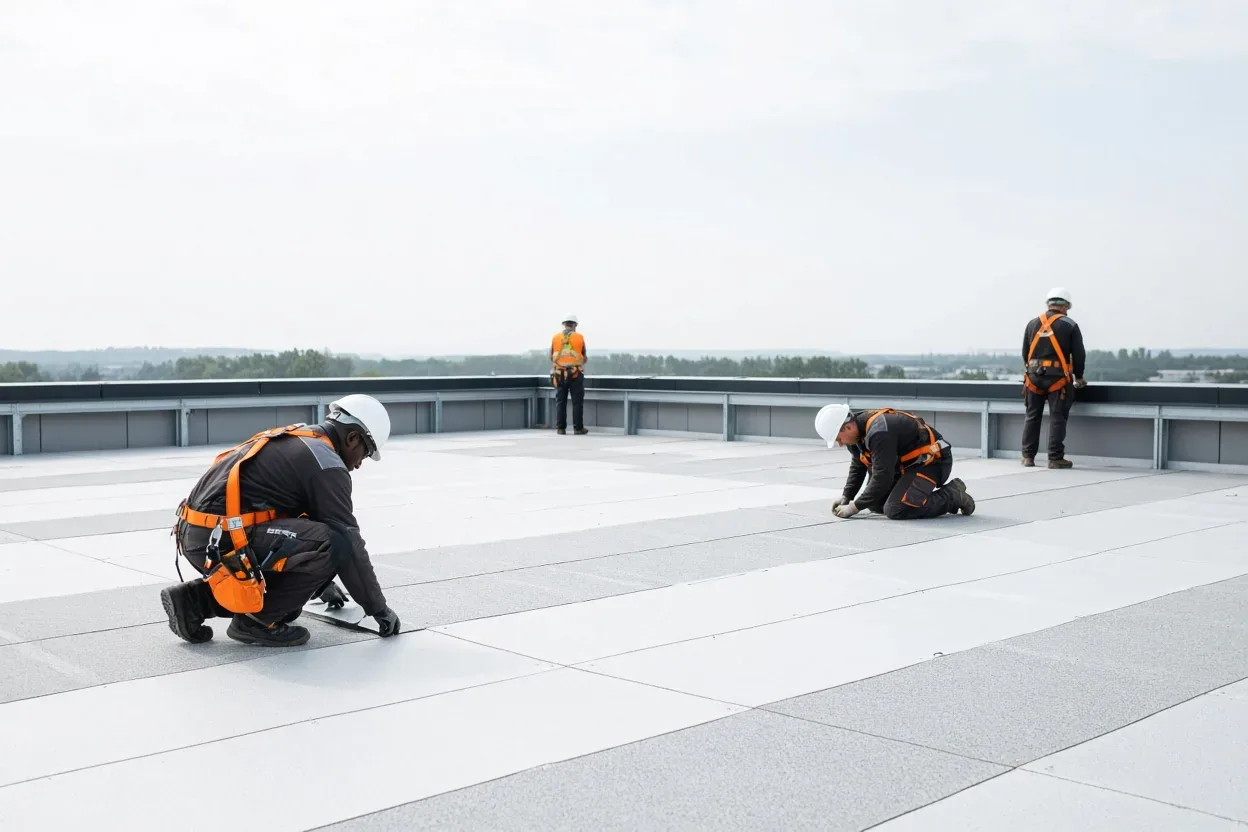
Weather thresholds, membrane protection, crane lifts and envelope inspections logged at height.
CREW 01
Concrete and Frame Crews
Concrete and structural frame trades face demanding delivery schedules and rigorous quality checks. Foremen start their morning at the gate by checking pump truck access, formwork readiness, and steel reinforcement drawings. With Genba Diary, the concrete foreman photographs rebar placement directly from the mobile app and logs inspection approvals before the pour begins. Ready-mix concrete trucks arriving throughout the day are recorded at the gate with delivery ticket details. When afternoon pours conclude, the crew logs pour volumes, test cube references, and any crane delays. Everything consolidates into the site diary before the 17:00 sign-off, giving the main contractor an indisputable, permanent account of structural progress without anyone chasing paper delivery dockets.
CREW 02
Fit-Out and Finishing Crews
Interior fit-out and finishing contractors coordinate multiple overlapping trades across rooms, corridors, and service shafts. Drywallers, electricians, and joiners require clear documentation of room handovers, dry lining inspections, and completed ceiling closures. Using Genba Diary, finishing foremen photograph partition framing and insulation before wall boards are sealed. Material deliveries through hoist gates are timestamped upon arrival to prevent disputes between subcontractors over shared vertical transport. If predecessor trades delay access to a classroom or corridor, the trade lead logs the delay in the weather and delays section. By completing all six sections before 17:00, interior crews provide project directors with clean visual evidence of completed work and trade clearances.
CREW 03
Roofing and Façade Crews
Roofing and façade teams work in conditions heavily dictated by wind, precipitation, and exterior hoist capacity. Morning boards for envelope trades address high-level safety, harness anchor points, and wind speed thresholds before work begins above ground. In Genba Diary, façade foremen capture panoramic photos of weatherproofing membranes, cladding rail alignments, and perimeter flashings before moving scaffolding. Any sudden rain shower or crane shutdown is logged immediately under weather and delays, creating a verified timeline of standing time. At 17:00, the daily sign-off confirms that open roof sections have been made watertight for the night. The resulting PDF gives clients and engineering consultants full visibility over exterior progress.
NOT YET
Crews Not Yet Suited for Rollout
While Genba Diary supports daylight trade operations across framing, interiors, and envelope packages, certain site operations are not yet suited for our standard pilot rollout. Specifically, night shifts operating underground or in deep basement excavations without cellular or gate connectivity are currently outside our core scope. Our onboarding process requires reliable morning check-in at a physical gate or hoist location where the daily board can be reviewed. Crews that operate without regular gate supervisor contact or on decentralized road maintenance routes should wait for upcoming offline sync modules before scheduling an onboarding briefing. We focus on active multi-crew construction sites where a shared gate routine creates immediate clarity for the whole project team.