About
Established in 2009 by Ruth Abernethy, Kamotsu Academy is an independent commercial vehicle driver training centre based in Ashby Vale. We teach practical, professional driving skills through direct yard work, realistic road experience, and small trainee cohorts.
Our history and training philosophy
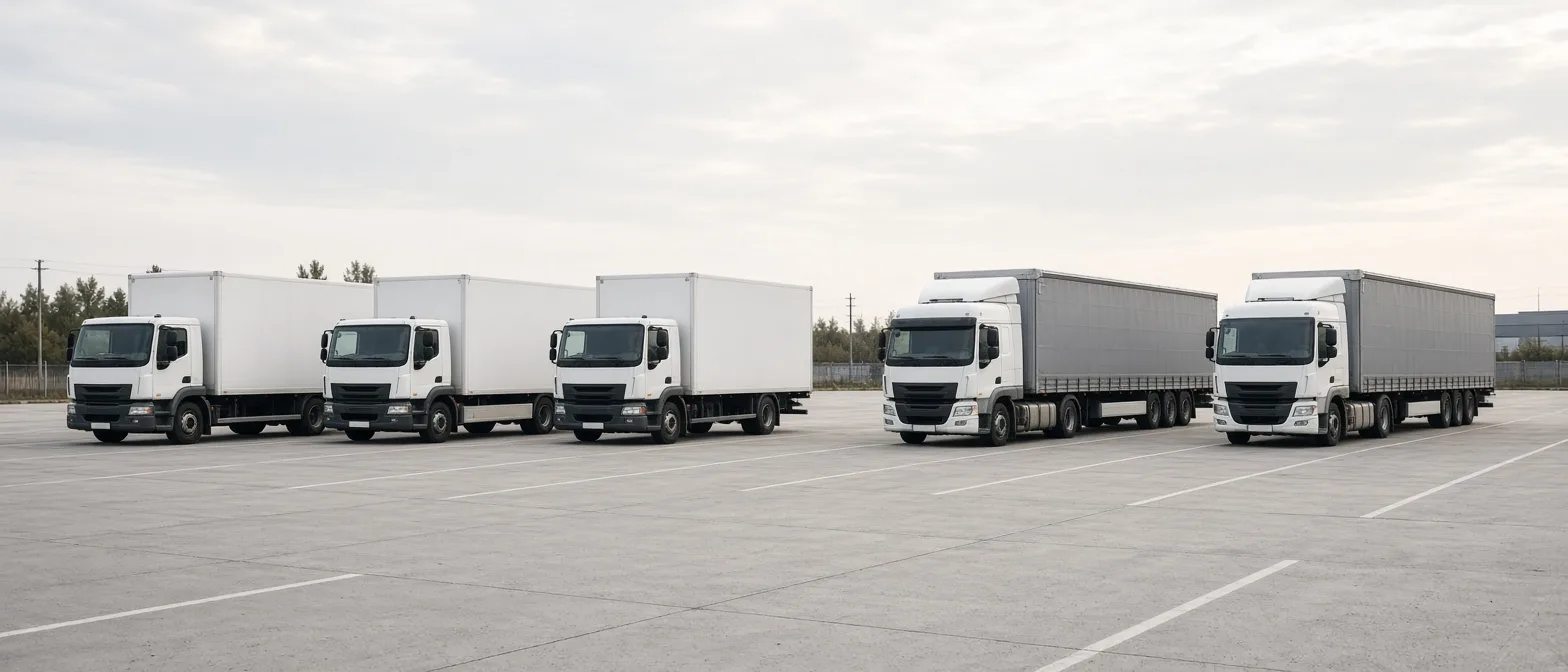
Kamotsu Academy was founded in 2009 by Ruth Abernethy, an experienced former fuel tanker driver with 24 years of commercial road driving experience. Ruth began operations with a single 18-tonne rigid lorry in a rented bay at Hollins Freight Park, determined to provide thorough, unhurried vocational instruction. Today, our facility spans 1.4 hectares at Bay 4, operating five commercial vehicles. Our core philosophy remains unchanged: every lesson starts with a physical walk-round inspection, and practical mechanical understanding always precedes open-road driving.
Meet our five instructors and coordinators
Our team consists of five dedicated professionals who oversee every aspect of your training in Ashby Vale. Founder Ruth Abernethy serves as lead instructor for Class C+E. Senior instructor Kofi Mensah delivers advanced articulated road training. Yard lead Ilse Brandt oversees precision coupling, uncoupling, and reversing bay manoeuvres. Daniel Moreau teaches Class C rigid courses, leads one-to-one refresher days, and tutors Driver CPC classroom modules. Course coordinator Priya Natarajan manages administrative operations, arranging Group 2 medicals, licence applications, and practical test dates.
- Ruth AbernethyFounder and lead instructor, C+E · 24 years driving
- Kofi MensahSenior instructor, C+E
- Ilse BrandtYard lead · reversing and coupling
- Daniel MoreauInstructor, Class C · refresher days · Driver CPC tutor
- Priya NatarajanCourse coordinator · medicals, licences, test bookings
Why do you limit training to two trainees per vehicle?
We strictly enforce a limit of two trainees per lorry per day to maintain optimal learning conditions. Commercial driving requires both intensive behind-the-wheel control and reflective observational analysis. When one trainee drives, the second observes from the cab, watching road positioning, gear planning, and hazard anticipation without the pressure of handling the controls. This dual system maximizes instructional time while preventing physical fatigue during full-day yard sessions. Most trainees find that observing an instructor’s corrections from the passenger seat accelerates their own technical development.