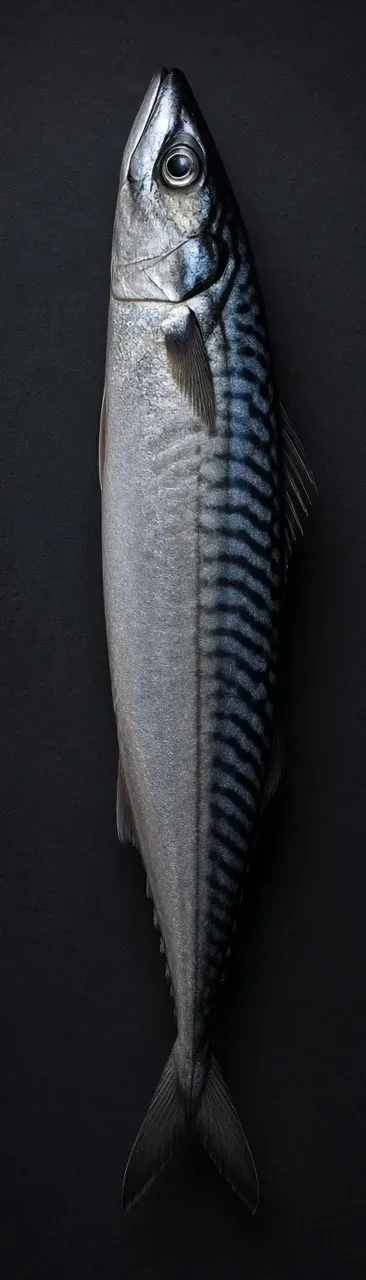
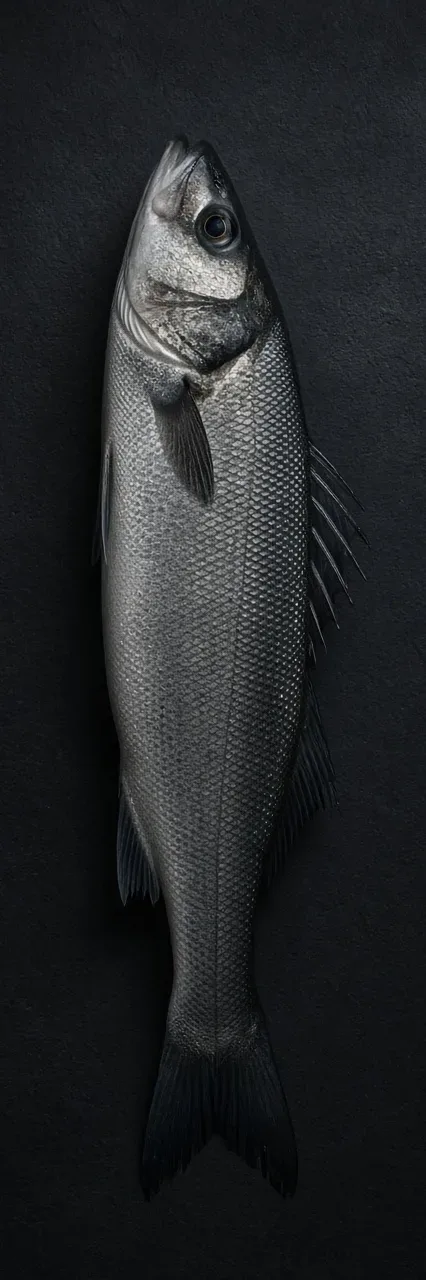
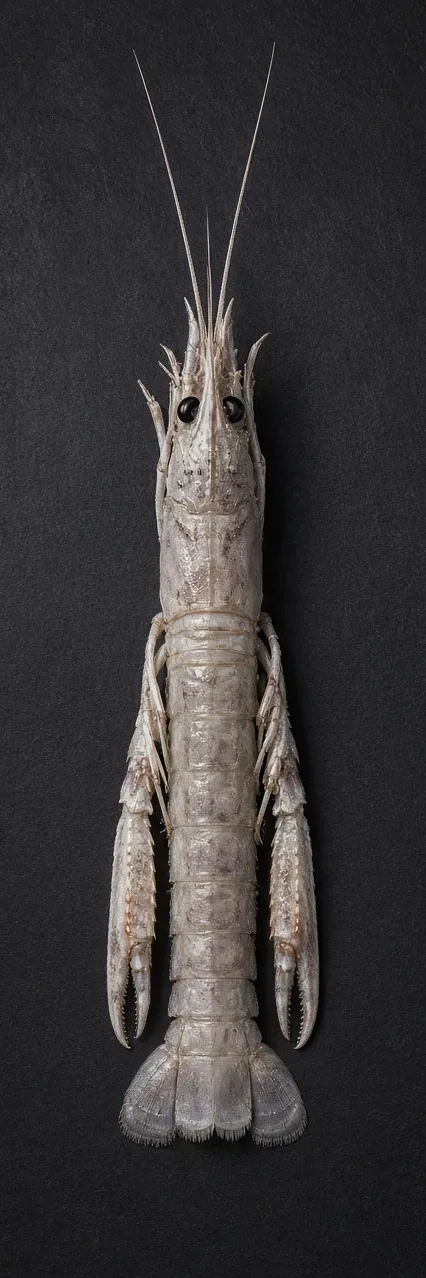
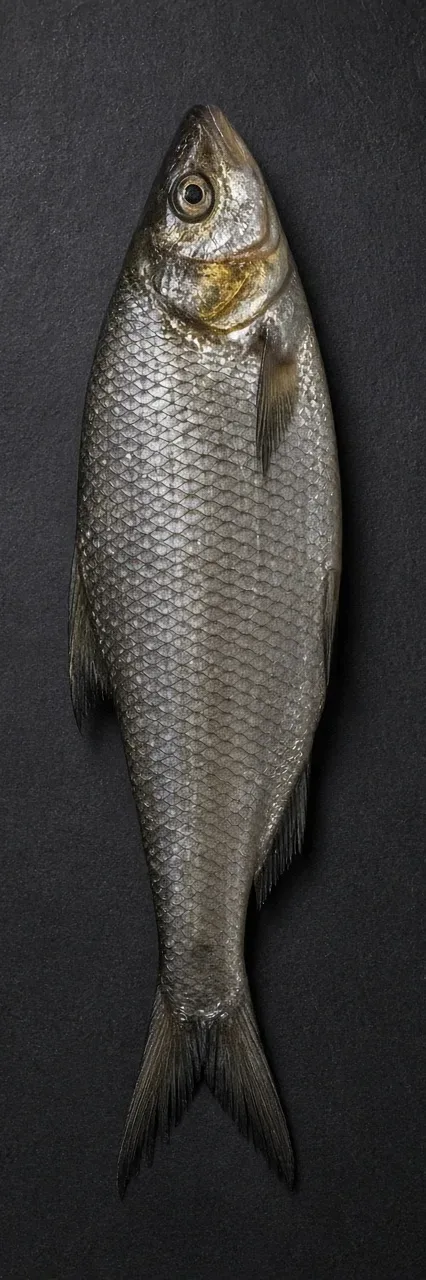
When you step into 4 Quay Row at half past seven in the morning, the wooden blocks are clean and the crushed ice on the counter is freshly laid. Resting on that cold bed are whole gilt-head bream, mackerel, and sea bass that were swimming in open water off Harrowmouth only hours earlier. Most people who buy fish in supermarkets have become used to seeing skin that has faded under fluorescent lights, sunken eyes, and fillets sealed beneath tight plastic film. Learning to recognize true morning freshness is not a complicated art, but it does require trusting your senses over printed packaging dates. When fish arrives straight from a day boat, it carries unmistakable physical signs that cannot be faked or preserved by chemical washes.
The first place to look is always the eye. On a fish that tied up at Quay 2 at 04:40, the eye is convex, plump, and crystal clear, resembling a drop of fresh water. The pupil is pitch black and surrounded by a bright, translucent cornea. As fish sits on ice over days, the eye slowly collapses, turning flat and eventually sinking into the socket while the lens takes on a cloudy, milky grey cast. If a bream or sea bass on the ice looks directly back at you with rounded, shining clarity, you know immediately that its journey from the sea was brief and gentle.
Next, look at the gills beneath the gill covers. When Maren Holt inspects crates on the quay with skipper Ewan Price or the crew of Two Sisters, lifting the gill cover is always her first physical gesture. Fresh gills are a rich, vibrant blood-red or deep rose pink, clean and wet with ocean brine. They should never show brownish discoloration, yellow mucus, or pale grey margins. The gills are where oxygen transfers into the fish’s bloodstream, and that bright crimson color fades rapidly once a fish has been out of water for more than twenty-four hours.
The third indicator is the surface and smell of the flesh. A fish landed this morning smells of nothing more than cold salt water, clean tide, and damp sea kelp. It should never smell sour, stale, or aggressively fishy. The skin itself will possess a natural, luminous sheen, with tight, iridescent scales that cling firmly to the body. When head cutter Idris Okafor presses a finger gently into the thick flank of a whole fish, the meat feels firm and elastic, springing back instantly without leaving a permanent hollow or indentation. Soft, yielding flesh indicates that cellular structure has begun to break down.
Finally, look at the belly wall and the cut surface. On a whole cleaned fish, the interior cavity along the backbone should be pristine, with no tearing, discoloration, or sour odour. When we slice fillets to order at the block, the meat along the knife edge is semi-translucent, firm, and moist, holding its shape without separating along the muscle flakes. We wrap each cut in greaseproof waxed paper so that natural moisture stays protected on your journey home. Taking home fish caught at dawn means you need very little ornament in the pan: a hot skillet, a splash of oil, a pinch of sea salt, and the pure, clean flavour of the harbour.