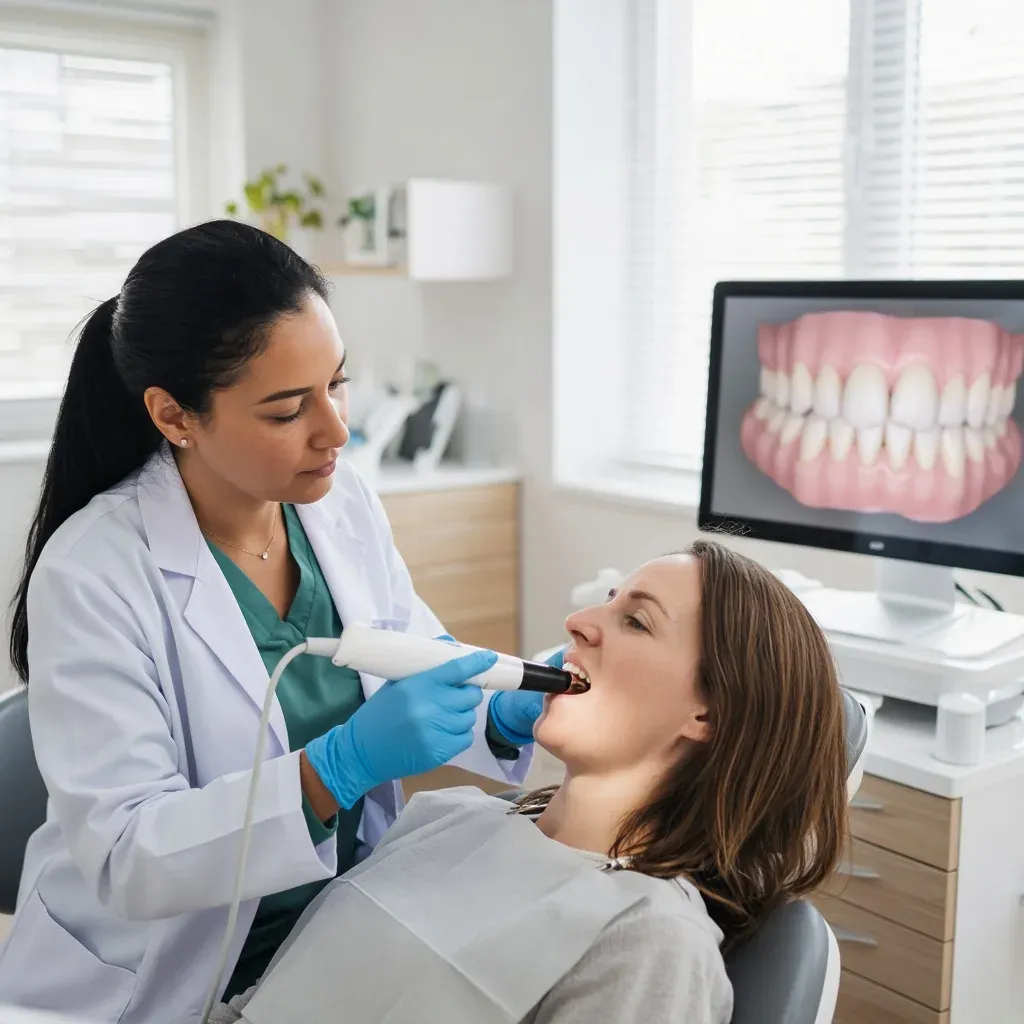
When patients arrive at Soroe Clinic for the first time, one of the most common frustrations they share about past medical or dental experiences is the sense of open-ended uncertainty. People often recall attending brief appointments where adjustments were made without clear explanation, followed by a vague instruction to call reception sometime next month. In a busy orthodontic practice, that lack of structure easily leads to prolonged treatments, forgotten appointments, and unnecessary friction for families trying to organize school and work calendars around clinical care.
When Dr. Ilse Varga established our practice at 21 Linden Row in 2011, she built our clinical routine around a single core method: before you leave each visit, the next one is already planned and booked. As you sit in the treatment chair, your clinician does not simply perform today’s adjustments; we review the overall trajectory of your course, compare current dental movement against your digital plan, and outline precisely what must take place at the subsequent appointment.
This means that before you stand up, Sofia Marchetti and our clinical team have already determined what will be checked next, which aligner trays or archwire adjustments will follow, and exactly how many minutes the appointment will require. Routine review appointments at Soroe Clinic last twenty minutes and occur every six to eight weeks. Because the scope of the appointment is established in advance, our orthodontic therapists, Mei Lin Zhou and Jonas Berg, can prepare instruments and aligner sets prior to your arrival, ensuring appointments begin promptly and conclude on time.
This systematic planning also creates accountability. At our daily one-thirty team planning meeting, Dr. Varga and Dr. Kwame Mensah review every case undergoing active treatment. When both orthodontists evaluate progress side by side, any subtle variation from the initial plan can be addressed early. If an aligner is not tracking perfectly or a bracket requires slight repositioning, that modification is incorporated directly into the next appointment rather than discovered months down the road.
For our patients, this rhythm changes the psychological experience of wearing braces or aligners. Lena, who completed a twenty-two-month course of ceramic braces with us at age fifteen, noted that knowing what was coming at each appointment removed the dread that teenagers often associate with orthodontic visits. Tomás, a carpenter in Wrenfield who completed a fourteen-month course of clear aligners with twenty-eight sets across nine review visits, found that the predictable twenty-minute timeframe allowed him to schedule appointments without losing productive workshop hours.
Orthodontic treatment represents a significant investment of time, typically lasting twelve to eighteen months for adult clear aligners or eighteen to twenty-four months for adolescent fixed braces. By planning every visit before you leave the chair, we respect that investment. Treatment progresses methodically, step by step, with clarity at every appointment from your initial fitting to your final retainers.