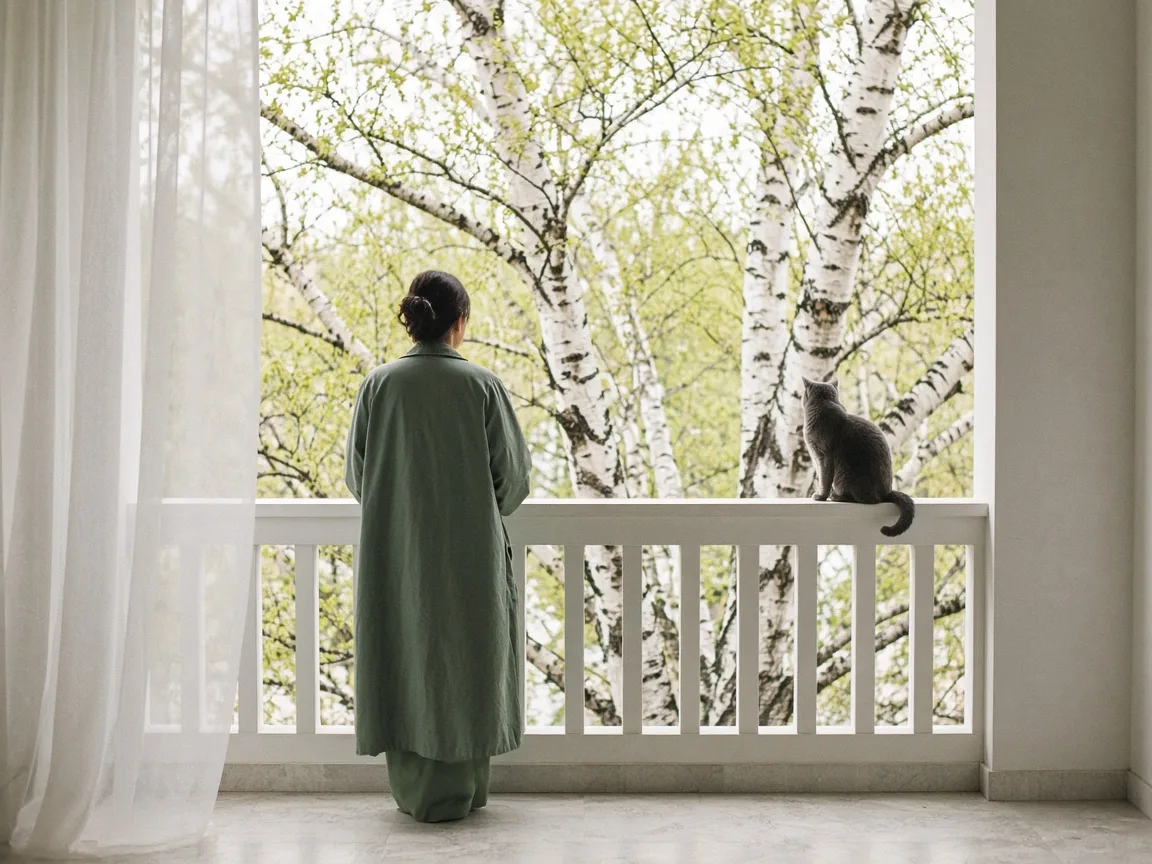
A thirty-four-year-old adult patient arrived at our clinic at Linden Quay 14 on a Tuesday morning, exhausted by several months of relentless sneezing, itchy eyes, and waking up with a tight chest. The patient was convinced the cause was their two-year-old domestic cat. They had already arranged for a relative to temporarily take the cat, feeling an overwhelming sense of guilt and loss. Before taking such a permanent step, their general practitioner suggested booking a comprehensive sixty-minute first consultation with Dr Ines Marlow. Anonymised note: written with permission; details changed.
In allergy medicine, assumptions often develop when two events happen around the same period. The patient had adopted the cat during early spring of the previous year, shortly before symptoms initially appeared. Because the symptoms persisted into the autumn, the animal became the obvious focal point of blame. However, when Dr Ines Marlow took the full history during that initial hour, subtle inconsistencies emerged. The patient’s symptoms worsened dramatically whenever they walked along the canal paths of Ghent on breezy mornings, whereas petting the cat indoors rarely triggered sudden sneezing or skin hives.
To move beyond assumptions, nurse lead Leah Fontaine conducted a skin-prick test panel of twenty common allergens. Tiny droplets of purified extracts—including tree pollens, grass pollens, house dust mites, and cat dander—were placed in a neat grid along the patient’s forearm, followed by gentle surface lancet pricks. After fifteen quiet minutes by our curtained consulting room window, the skin reactions were carefully measured. The cat dander site showed no reaction whatsoever, completely flat and pale. In contrast, the birch pollen extract produced a clear, raised wheal measuring six millimetres, alongside a moderate reaction to alder pollen.
The clinical picture suddenly became clear. The patient was not allergic to their cat. Instead, they suffered from significant seasonal allergic rhinitis triggered primarily by birch and alder pollens. The reason their symptoms appeared to linger into late autumn was twofold: the patient was also mildly sensitised to indoor house dust mites, and the cat’s outdoor explorations through local vegetation had carried pollen residues indoors on its fur. The animal was acting as an unwitting vehicle for environmental pollen rather than being the source of an immune reaction.
Dr Ines Marlow and dietitian Noor Aziz formulated a written one-page avoidance plan that the patient could take home immediately. Rather than giving away a cherished pet, the plan outlined targeted pollen management. It recommended keeping bedroom windows closed during peak morning tree pollen releases, wiping the cat’s coat with a damp microfibre cloth after it returned from outside, and vacuuming living areas with high-efficiency filtration. Dr Marlow also initiated a course of targeted nasal spray and non-sedating antihistamines to stabilise the mucosal barrier.
A follow-up review was booked for twelve weeks later. When the patient returned to our Linden Quay rooms, the difference was remarkable. By implementing the simple environmental adjustments and managing pollen exposure proactively, their nasal congestion and ocular itching had resolved. Most importantly, the cat could stay. As the patient noted on their fridge-bound plan, understanding the exact trigger restored calm to their home without unnecessary sacrifice.
What we did
A sixty-minute history, a skin-prick panel read after fifteen minutes, a one-page plan and a review at twelve weeks.